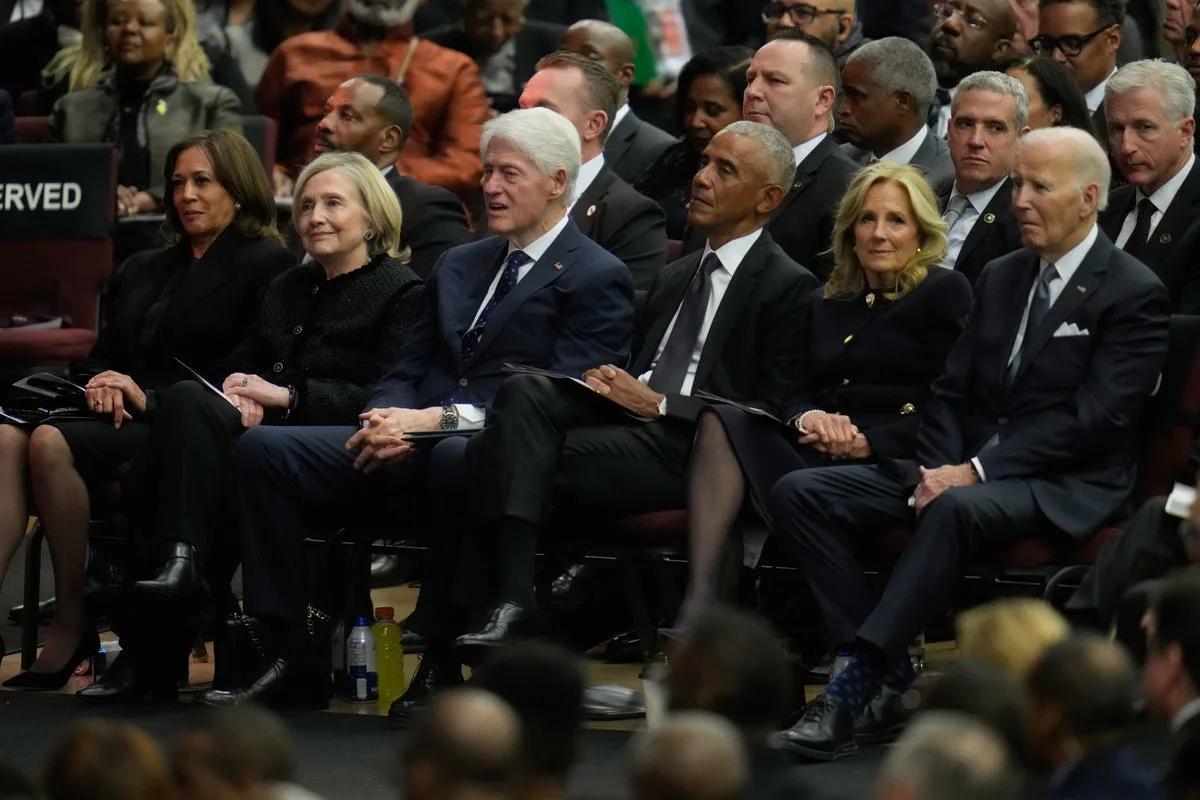
Former first lady Michelle Obama did not attend the Chicago memorial service for civil rights icon Reverend Jesse Jackson on Friday, despite the Obamas' longstanding ties with the late activist. The ceremony took place in a church on the South Side of Chicago and featured numerous dignitaries, including former presidents Joe Biden, Barack Obama, and Bill Clinton; former Vice President Kamala Harris; former Secretary of State Hillary Clinton; and former first lady Dr. Jill Biden.
President Donald Trump was unable to attend due to scheduling and recorded a video message in tribute, a White House official told The Independent. The Independent has contacted the Obama office for comment.
In a statement after Jackson's passing in February at age 84, the Obamas expressed admiration for the leader, who was a protégé of Martin Luther King Jr. “Reverend Jackson also created opportunities for generations of African Americans and inspired countless more, including us,” the statement read. “Michelle got her first glimpse of political organizing at the Jacksons’ kitchen table when she was a teenager.”
During Friday's service, Barack Obama said Jackson “paved the road for so many others to follow.” The former first lady's absence is the latest in a string of high-profile ceremonies she has missed, including Trump's inauguration and former President Jimmy Carter's funeral. She has previously explained her decision to be less in the public eye, telling NPR last year: “One of the major decisions I made this year was to stay put and not attend funerals and inaugurations and all the things that I’m supposed to attend.”