Morgan McSweeney's Departure Signals Crisis for Starmer's Leadership
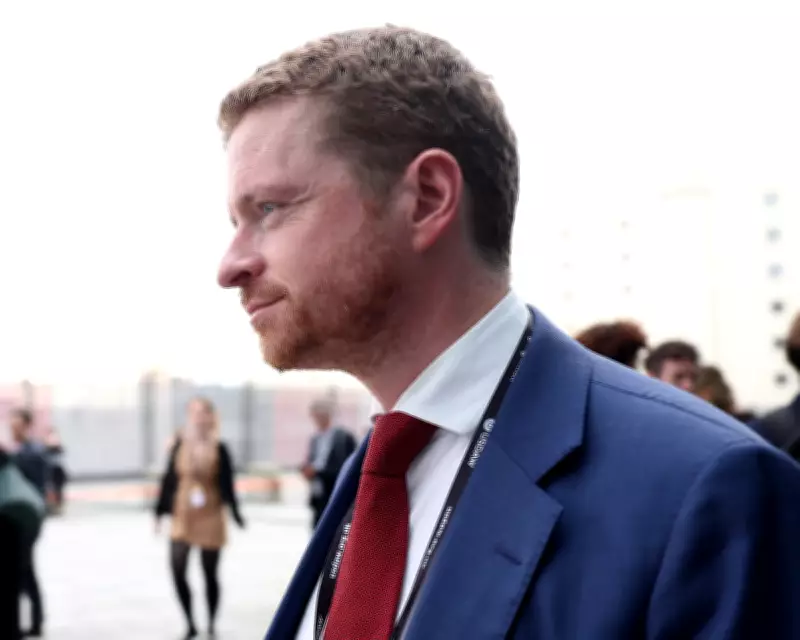
The resignation of Morgan McSweeney, Sir Keir Starmer's chief of staff and the architect of Labour's path to Downing Street, has plunged the prime minister's premiership into profound crisis. McSweeney's departure, following his responsibility for backing the controversial appointment of Lord Mandelson as US ambassador, leaves Sir Keir isolated, rudderless, and dangerously exposed to political events he can no longer control.
The Collapse of a Political Project
After spending fourteen long years in opposition following the 2010 general election, Labour's return to power has spectacularly imploded in just eighteen months. McSweeney, widely credited with orchestrating Sir Keir's election strategy and subsequent victory, has now fallen on his sword. His resignation was swiftly followed by that of Sir Keir's fourth Downing Street communications director, Tim Allan, compounding the sense of a government in freefall.
The immediate catalyst was the Mandelson scandal, where the peer's friendship with Jeffrey Epstein became untenable for the government. McSweeney took responsibility for supporting the appointment despite known concerns. While the prime minister has promised to strengthen vetting processes and toughen lobbying rules—reforms long advocated by Gordon Brown—the significance of these resignations extends far beyond this single scandal.

Growing Isolation and Eroding Authority
Sir Keir's admiration for McSweeney's undeniable campaigning abilities led to granting his consigliere excessive power and influence, effectively outsourcing the government's strategic direction. This approach has served neither the prime minister nor the country well. On core Labour issues like welfare spending, a hubristic clique within Number Ten adopted a confrontational and at times contemptuous stance toward the priorities of the party's own MPs.
The resulting backbench rebellions have severely eroded the government's credibility, cementing a public perception of Sir Keir as weak and lacking a coherent plan. With astonishing rapidity, the opportunities presented by a huge parliamentary majority and the goodwill of a nation desperate for change have been squandered.
Political Calvary Ahead
The call for Sir Keir's own resignation by Anas Sarwar, Labour's leader in Scotland, quickly dispelled any illusion that McSweeney's departure would provide breathing space. Many within Labour share Sarwar's view that there have been "too many incidences where the wrong judgment calls have been made" over the past eighteen months.
The coming weeks and months represent a political calvary for the government. The Gorton and Denton byelection this month will set the tone for May's local elections, where a punishment beating from voters appears inevitable. Furthermore, the mandated publication of over 100,000 communications between the government and Lord Mandelson will expose an unedifying world of political machinations to an already exasperated public.
An Uncertain Future
Sir Keir and his increasingly disenchanted party must now determine whether the loss of authority and trust can be reversed with him remaining at the helm. At minimum, this would require an end to factionalism, outreach to Labour's broad left, and the offer of a more inspiring progressive narrative.
The prime minister may yet benefit from a temporary respite as potential challengers contemplate their options. None would likely relish leading Labour into what appears to be a political bloodbath in May, nor would the country welcome a fifth prime minister in four years. However, this government has clearly lost control over the trajectory of events. For the foreseeable future, it is difficult to envision how it could possibly regain that control and restore public confidence.