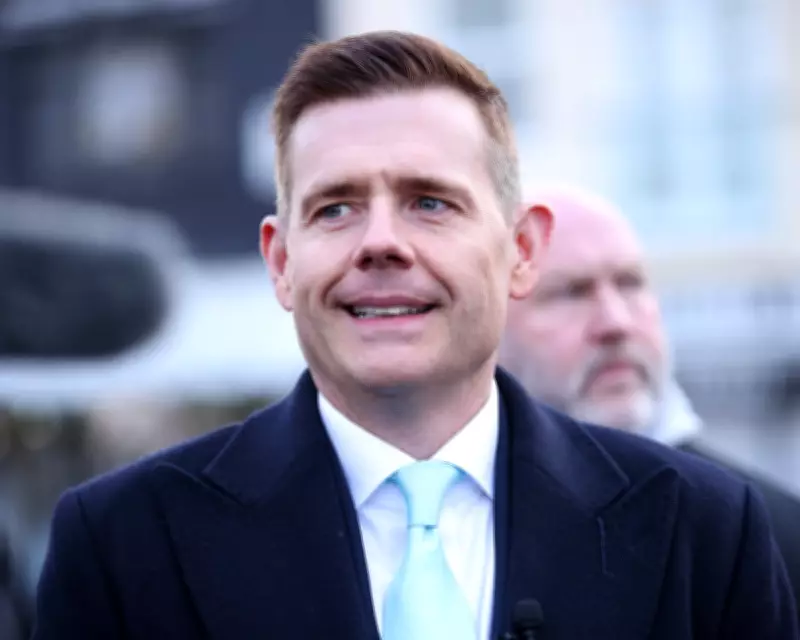
From Academic to Activist: Matt Goodwin's Political Journey to Reform UK
In the autumn of 2011, Dr Matt Goodwin was deeply immersed in research, documenting the potential reach of racist far-right movements in Tameside, a borough in east Manchester that forms part of the parliamentary constituency of Gorton and Denton. The borough council had enlisted the young academic to investigate the local dangers of what Goodwin described as a "new British fascism" emerging in disaffected parts of northern England. His pioneering PhD on the rise of the British National Party had caught their attention, and he eagerly accepted the task, driven by ambition and a desire to influence public debate.
Early Career and Research on Extremism
Goodwin's co-authored report to Tameside council identified areas "most 'at risk' of far-right extremism," highlighting white neighbourhoods near high-immigration zones as vulnerable to exploitation by extremists. The paper argued that citizens might turn to the far right in an instrumental attempt to defend their communities from perceived threats. At the time, Goodwin was regarded as a centre-right academic with strong Conservative contacts, having assisted figures like James Bethell and Tim Montgomerie in campaigns against the BNP.
Fifteen years later, Goodwin's focus has returned to Tameside, but this time as the Reform UK candidate for the Gorton and Denton byelection. His political opponents now label him as the extremist at the gate, citing his recent statements on immigration and societal change. In a Substack post, Goodwin echoed Donald Trump's warnings about Europe facing "civilisational erasure," lamenting that cities like Paris, Brussels, and London are "becoming something else entirely."

Metamorphosis and Controversial Views
Few who knew Goodwin during his academic infancy predicted his shift from researcher to proponent of ethno-nationalist rhetoric. In a podcast, he highlighted projections that white Britons could become a minority by 2063, arguing that more diverse societies are less trusting. A Reform source defended him, stating he is merely highlighting the consequences of "mass uncontrolled immigration which nobody voted for."
Colleagues from his University of Manchester days recall him as "great fun" but attention-seeking, with a nickname of "Two Jacks" from a casino outing. His PhD on the BNP was seen as brave, involving interviews with activists like Eddy Butler, who later speculated that Goodwin might have empathy for nationalist aims. These comments have been dismissed by Reform as irrelevant, comparing them to criticisms of other parties.
Rising Influence and Broken Relationships
Goodwin's career saw dizzying acclaim, particularly with his co-authored book Revolt on the Right, which featured revelations from Nigel Farage about potential pacts with the BNP. However, his methods drew criticism, such as excluding co-author Robert Ford from a Chatham House event, attributed by allies to institutional affiliations. Former colleagues note a ruthlessness in his ambition, with relationships fracturing over time.
He worked with senior Conservatives like Ameet Gill and Sayeed Warsi, who invited him to join a government group on anti-Muslim hatred. Warsi expressed surprise at his later views, recalling how passionately he once spoke against Islamophobia. Goodwin left the group in 2015, citing slow progress and funding issues, but former friends suggest he struggles with criticism and rejection.
Current Role and Public Debate
In 2024, Goodwin left academia, taking voluntary severance from the University of Kent to become a GB News presenter with a Substack boasting 90,000 subscribers. His book Bad Education criticised universities for embracing "woke" ideas, with colleagues speculating it was motivated by missed opportunities at Oxford. A Reform spokesperson defends his work, stating he has consistently highlighted issues like globalisation and immigration affecting working-class areas.

Critics like Jonathan Portes accuse him of veering into explicit racism, while Goodwin claims such accusations are smears aimed at silencing debate. The endorsement from far-right figure Tommy Robinson adds to the controversy, blurring lines between academic analysis and political activism. As Goodwin campaigns in Gorton and Denton, his journey raises questions about the sincerity and impact of his transformation on British public life.