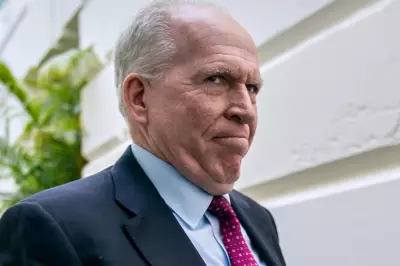
Lord Mandelson's Dramatic Fall from Grace
The political landscape has been rocked by the dramatic resignation of Lord Mandelson from both the Labour Party and the House of Lords. This unprecedented move comes in the wake of explosive revelations contained within millions of newly released files related to the notorious American financier and convicted child sex offender, Jeffrey Epstein. The prime minister, Sir Keir Starmer, has now committed to stripping the peer of his title, while his position within the Privy Council also hangs in the balance.
A Scandal of Historic Proportions
This is not merely a case of a public figure facing awkward questions. The allegations against Lord Mandelson are of such gravity that they could potentially lead to criminal charges and even a custodial sentence. Authorities are actively examining accusations of misconduct in public office and the improper handling of market-sensitive insider information. The Cabinet Office has confirmed that material concerning alleged leaks of sensitive government information during Lord Mandelson's tenure as a minister between 2008 and 2010 has been formally referred to the police for investigation.
The scandal casts a long and dark shadow over the heart of British politics, severely damaging public confidence in the political system itself. It inevitably calls into sharp focus Sir Keir Starmer's judgement, particularly his decision to appoint Lord Mandelson as ambassador to Washington just one year ago. This appointment now appears deeply problematic, raising urgent questions about the robustness of the vetting process and the due diligence conducted for such a high-profile diplomatic role.

Unanswered Questions and Financial Transfers
While Lord Mandelson has maintained his innocence, stating he was unaware of Epstein's predatory crimes and has done nothing legally wrong, the evidence emerging paints a troubling picture. Among the most pressing issues are financial transactions, including a total of $75,000 transferred from Epstein to Lord Mandelson and his partner in 2003-2004. The peer claims to have no recollection or knowledge of these sums and is investigating them himself.
More damning are the email communications that have come to light. Why were emails concerning highly sensitive government matters being forwarded to Jeffrey Epstein? Specific revelations include Epstein seemingly being tipped off about a colossal €500 billion bank bailout in 2010, future plans for the sell-off of UK public assets, and confidential international talks on bank regulation. Perhaps most shocking is the allegation that Lord Mandelson apparently advised the banking giant JP Morgan, via Epstein, to "mildly threaten" his own cabinet colleague, the then Chancellor of the Exchequer, Alastair Darling.
Lord Mandelson's defence that banks were making their arguments publicly anyway does little to justify what appears to be a profound betrayal of political trust and confidentiality. Former Prime Minister Gordon Brown has rightly called for a fresh inquiry into these leaks, questioning why a previous investigation requested last September failed to uncover any evidence.
Political Repercussions for the Starmer Administration
For Sir Keir Starmer, the crisis represents a severe test of his leadership. He must now provide a convincing and satisfactory explanation for the original ambassadorial appointment. Scrutiny falls on the role played by his senior adviser, Morgan McSweeney, and whether warnings from security and intelligence services were overlooked during the selection process. The fundamental integrity of the government's appointments system is now under the microscope.
Although the immediate fall of Lord Mandelson may not directly precipitate the prime minister's downfall, it has undoubtedly inflicted significant damage. The scandal has eroded public trust and weakened the administration's standing at a critical time. It has created a pervasive atmosphere of crisis that Sir Keir Starmer must navigate with great skill if his government is to regain its footing and survive the intense political pressure now bearing down upon it.