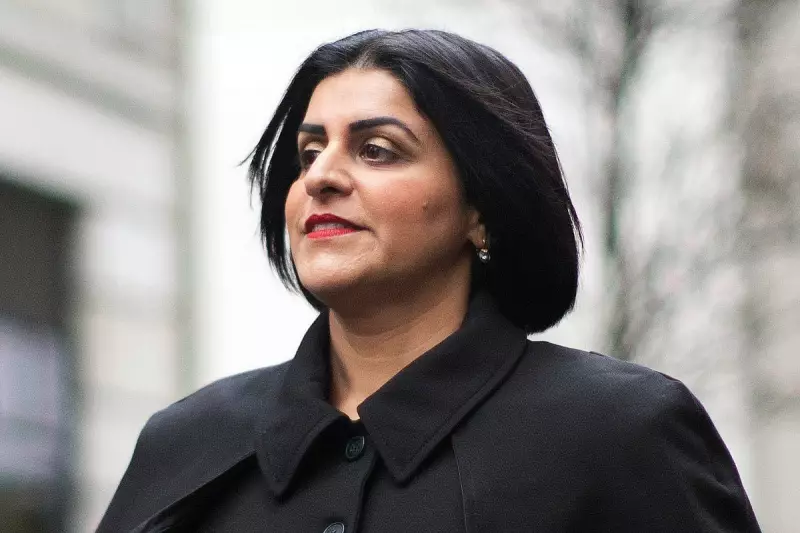
In a remarkably candid revelation, Home Secretary Shabana Mahmood has disclosed what she describes as the "naughtiest thing" she has ever done—taking a single, ill-fated drag on a cigarette as a teenager. The senior Labour figure, widely tipped as a potential successor to Sir Keir Starmer as party leader, shared the anecdote during a recent interview, explaining that the experience triggered an immediate asthma attack.
"So I figured that was God telling me, don't smoke," Ms Mahmood stated, framing the incident as a divine warning against the habit. This personal confession has inevitably drawn comparisons to one of the most memorable political moments of recent years: former Prime Minister Theresa May's claim that her own childhood transgression involved running through "fields of wheat."
A Legacy of Political Confessions
Theresa May's admission, made during a 2017 ITV interview while she was serving as Prime Minister, sparked widespread ridicule and a flurry of internet memes. At the time, she remarked, "You can’t get away from the fact that I was a vicar’s daughter," attempting to contextualise her ostensibly tame revelation. The question was posed during an election campaign, visibly flustering Ms May, who hesitated before recalling the wheat-field escapade with a friend, noting that local farmers "weren’t too pleased about that."

In the aftermath, the then Scottish Tory leader Ruth Davidson was asked the same question, replying cryptically, "My mother would not like to see it in print. Let’s just say, I did inhale." She later openly mocked Ms May by posting a photograph of herself running through a field of wheat, amplifying the episode's notoriety.
Faith, Fear, and the Weight of Office
Beyond the light-hearted confession, Ms Mahmood offered deeper insights into her life and the pressures of her role. Speaking to the BBC, she reflected on the sleepless nights that come with being Home Secretary, stating, "I don't think there's any home secretary that sleeps particularly well at night. I read stuff on a daily basis... and it's pretty hair-raising stuff."
She expressed gratitude for the security personnel working to thwart threats, adding, "There are things that bad people in our country are planning every day, and I just thank God every day that we have such excellent people working in the same field trying to keep them at bay and disrupt their plots."
Ms Mahmood also emphasised the centrality of her faith to both her personal life and political duties. As a practicing Muslim, she explained, "I believe that, in the end, we are accountable for what we do in this life to God. And so what I try to do every day as a politician..." She further revealed that she regularly says prayers for safety and offers thanks, highlighting how her spiritual beliefs guide her through the challenges of high office.
These revelations underscore a humanising trend in political discourse, where figures like Mahmood and May share personal stories that, while sometimes met with amusement, also reveal the values and vulnerabilities behind the public personas. From teenage misadventures to the solemn responsibilities of national security, such confessions offer a rare glimpse into the individuals shaping Britain's future.