Péter Magyar's Election Triumph in Hungary Signals Major Shift for Europe
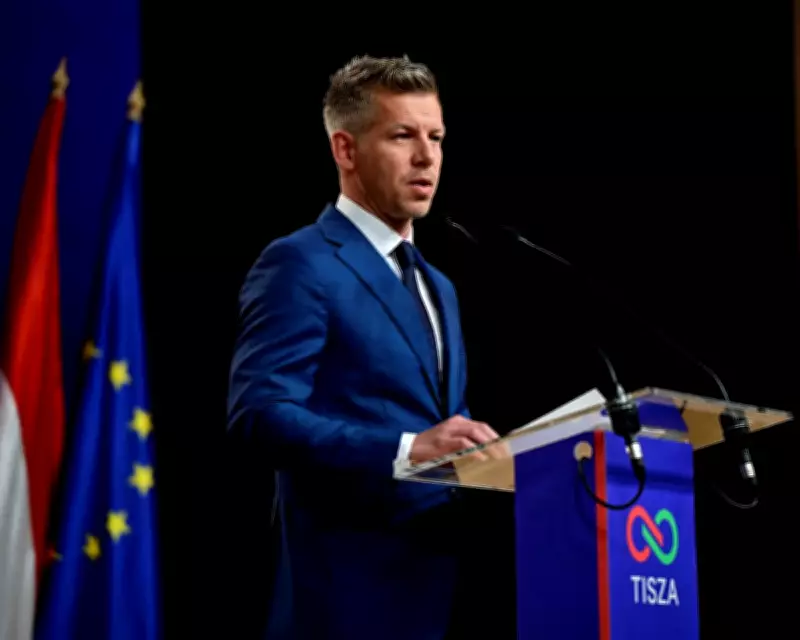
Péter Magyar's resounding election victory on Monday marks the end of 16 years of rightwing populist governance under Viktor Orbán in Hungary. At a press conference, Magyar pledged to work for 'a free, European, well-functioning and compassionate Hungary,' setting the stage for significant changes both domestically and internationally. This win is poised to have far-reaching effects across Europe, from Brussels to Moscow and from Kyiv to Washington, reshaping diplomatic and political landscapes.
Implications for the European Union
Viktor Orbán's tenure was characterised by frequent efforts to undermine the EU's collective actions, including his defence of 'illiberal democracy' and vetoing of a massive €90bn EU loan to Ukraine. His delays and opposition to EU sanctions on Russia often left the bloc appearing divided and ineffective. Additionally, Orbán's disregard for democratic norms, failure to tackle corruption, and crackdowns on media led the European Commission to suspend billions in funding to Hungary.
In contrast, Péter Magyar has committed to repairing Hungary's strained relationship with the EU. In a conciliatory speech, he acknowledged the EU as a 'complicated, bureaucratic, compromise-seeking' organisation but expressed willingness to engage constructively. 'I am sure we will have debates,' Magyar stated, 'but we are not going there to fight for the sake of fighting so we can write on billboards that Brussels is evil and needs to be stopped.'

European Commission President Ursula von der Leyen welcomed the election result, posting on X that 'Hungary has chosen Europe. Europe has always chosen Hungary. Together, we are stronger. A country returns to its European path. The Union grows stronger.' This sentiment reflects widespread relief in Brussels over the potential for renewed cooperation.
Impact on Russia and Ukraine Relations
Orbán's close ties with Moscow were evident through continued purchases of Russian oil and gas, meetings with Vladimir Putin post-invasion, and blocking crucial EU aid to Ukraine. Reports even suggested Budapest shared confidential EU information with the Kremlin, exacerbating tensions.
Magyar described Moscow as a 'security risk' for Europe and expressed hope for an end to the conflict in Ukraine. While he shares some views with Orbán, such as desiring sanctions lifted to boost European competitiveness, Magyar crucially supports the €90bn EU loan to Kyiv, albeit with Hungary's opt-out due to financial difficulties. He also stated he would not support Ukraine's fast-track EU entry but emphasised readiness for dialogue.
The Kremlin has indicated hopes to 'continue pragmatic contacts with the new leadership,' while Ukrainian President Volodymyr Zelenskyy affirmed readiness for 'joint constructive work for the benefit of both nations, as well as peace, security and stability in Europe.'
Effects on Rightwing and Far-Right Parties in Europe
Orbán's defeat is a significant blow to rightwing and far-right movements across Europe, where he was a popular figurehead for traditional Christian values. Marine Le Pen of France praised Orbán's 'courage and determination,' while Italy's Giorgia Meloni thanked him for collaboration. However, Spain's Vox leader Santiago Abascal lamented the loss, calling Orbán's Hungary 'safe from the Islamist invasion' and warning of increased risks.
This shift may prompt a reevaluation of strategies among European rightwing groups, as Orbán's departure removes a key ally and symbol of illiberal politics.
Consequences for Trump and the United States
Orbán's loss also impacts Donald Trump and the Maga movement, with Orbán often seen as a precursor to Trump's political style. Trump had endorsed Orbán and promised economic support, but Magyar's victory raises questions about the effectiveness of such endorsements. US Vice-President JD Vance's recent visit to Hungary highlighted Orbán's importance to Trump, though some European rightwing figures, like Belgium's Theo Francken, criticised it as a 'dumb campaign move.'
Magyar described the US as a 'very important partner' and expressed willingness to engage if contacted by the White House, signalling a pragmatic approach to bilateral relations.

Stance on Abortion and LGBTQ+ Rights
On social issues, Magyar stated that abortion regulations in Hungary are settled, with no plans to change current laws requiring pregnant women to listen to the foetus's heartbeat. Emergency contraception remains prescription-only, unlike in most EU countries.
Regarding LGBTQ+ rights, Magyar affirmed support for freedom of assembly, potentially allowing Pride events to proceed, in contrast to Orbán's bans. He emphasised that 'everyone can live with whoever they love as long as they do not violate laws and they are not harmful to others,' aligning with broader European norms.
Overall, Péter Magyar's election heralds a transformative period for Hungary, with implications for EU cohesion, Ukraine support, and global political dynamics, as the country seeks to redefine its role on the international stage.