MAGA Congressman's Rabbit Tale Goes Viral Amid Bad Bunny Super Bowl Controversy
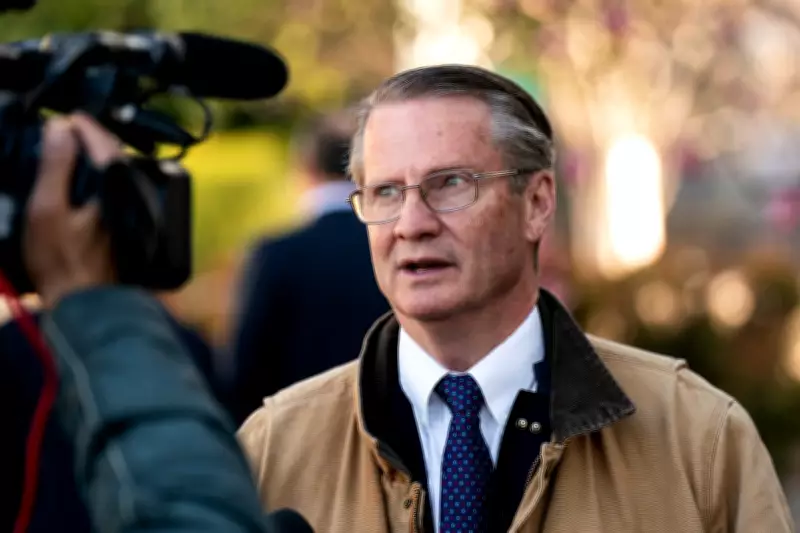
Republican congressman Tim Burchett of Tennessee has gone viral online after telling a strange story about his old pet rabbit when asked about Super Bowl halftime performer Bad Bunny. The bizarre anecdote emerged during a video interview with TMZ in Washington, released on Saturday, where Burchett displayed complete unfamiliarity with the Puerto Rican hitmaker.
"I Really Don't Know Who He Is"
"Dude, I wouldn't know if Bad Bunny walked up here and asked me if he could borrow my cell phone," Burchett told the reporter. "I really don't know who he is." Instead of discussing the musical artist, the congressman proceeded to recount a peculiar tale about his own "bad bunny" - a Flemish giant rabbit named Flop who mated with another rabbit called Caramel.
"Put 'em together, phew, it's true what they say about rabbits," Burchett continued. "My nephew was like, 'Uncle Tim, what's Flop doing to Caramel?' And I [said], 'Go back in the house, dude. It's not my job to give the sex talk here.'"

The story took an unexpected turn when Burchett revealed that "about a week later, Flop died of a heart attack, so what do you know? I guess he died doing what he loved," he concluded with a chuckle.
Online Reactions and MAGA Backlash
The video spread rapidly across social media platforms, eliciting mixed reactions from viewers. Twitch streamer Jordan Powell commented on X that "some of y'all ain't ever been around old southern men and it shows. Felt like I was listening to an uncle." Writer Brandon Streussnig offered a more satirical take, noting that "it rocks how most of our sitting government is just always sundowning in public and we gotta just deal with it."
While Burchett's antics were light-hearted, many within the MAGA movement have expressed genuine fury about Bad Bunny's selection as the Super Bowl halftime performer. The Puerto Rican superstar, whose real name is Benito Antonio Martínez Ocasio, sings predominantly in Spanish and has been openly critical of the Trump administration's immigration policies.
Political Tensions Over Performance Selection
During a recent Grammys acceptance speech, Ocasio praised immigrants pursuing their dreams and called for an end to mass ICE raids. "Hate gets more powerful with more hate," he said. "The only thing that's more powerful than hate is love. So please, we need to be different. If we fight, we have to do it with love."
Last year, following an ICE raid in Puerto Rico, Bad Bunny referred to immigration agents involved as "motherf***ers" and "sons of b****es." This history has fueled conservative opposition to his Super Bowl performance, with former President Donald Trump calling the selection "crazy" and "ridiculous."
The conservative advocacy group Turning Point USA is responding by hosting what it calls an "All-American Halftime Show" featuring Kid Rock as an alternative. Homeland Security Secretary Kristi Noem has even threatened to station ICE agents outside the Super Bowl venue.
Artist Response and Broader Context
Bad Bunny has occasionally made light of the opposition to his upcoming performance, telling viewers when he hosted Saturday Night Live last year that they had several months to learn Spanish before his Super Bowl appearance. The singer has indicated that concerns about immigration raids influenced his decision not to tour the mainland United States, opting instead for a residency in the U.S. territory of Puerto Rico.
Adding to the political tensions surrounding the event, Green Day frontman Billie Joe Armstrong - who will also perform during the Super Bowl - called on ICE agents to resign during a weekend concert in San Francisco. "This goes out to all the ICE agents, wherever you are," Armstrong said at a FanDuel and Spotify party. "Quit your s***ty ass job. Quit that s***ty job you have."
The congressman's viral rabbit story has thus emerged against a backdrop of significant political controversy surrounding the Super Bowl halftime show, highlighting the cultural and political divisions that continue to characterize American public life.