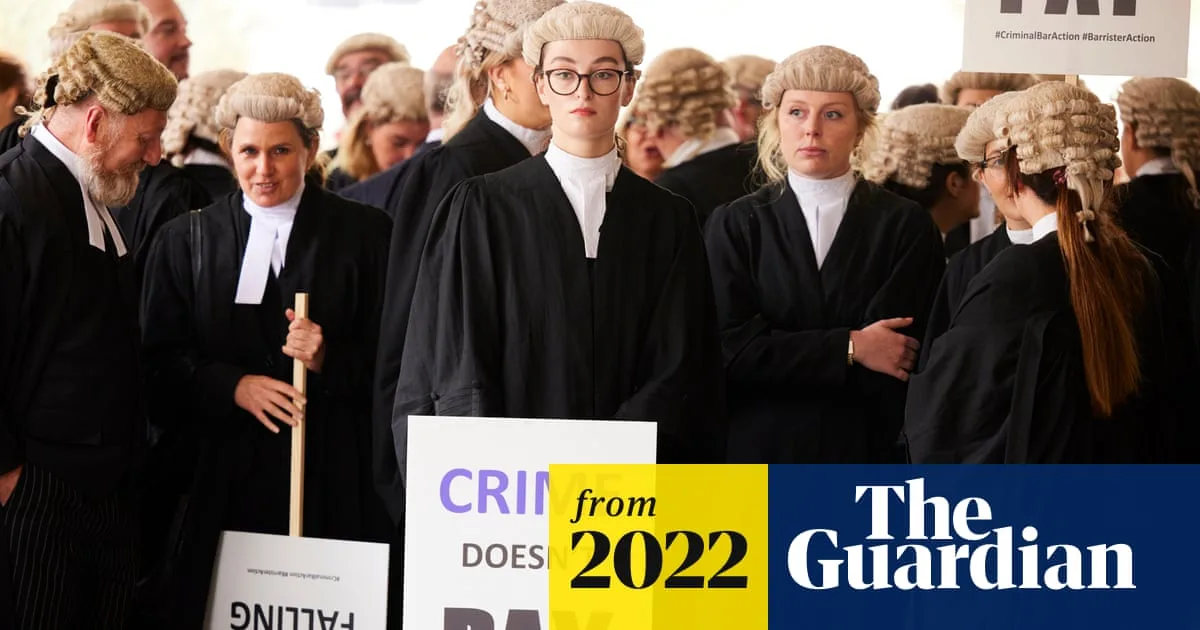
Criminal barristers in England and Wales began a strike on Monday over legal aid fees, warning the profession faces an “existential crisis” due to inadequate funding. The Criminal Bar Association (CBA) rejected the government’s offer of a 15% uplift in fees, calling it insufficient after years of cuts, and is demanding a 25% rise.
The CBA argues that incomes have fallen nearly 30% over two decades, with junior barristers earning an average of £12,200 annually after expenses in their first three years. This has driven 22% of junior criminal barristers to leave since 2016. Barristers report being paid below minimum wage for court hearings when travel and preparation time are considered, and receiving nothing for cancelled hearings.
Mira Hammad, a Liverpool-based barrister, said: “The criminal justice system is falling apart. Cases aren’t going ahead because there aren’t enough barristers, judges, or court resources. As a criminal barrister you can’t earn enough, so I do inquest work as well. If I was doing solely crime I would not be able to earn a living.”
The walkout is the first since 2014, also over legal aid fees. The CBA is angry that the government delayed implementing the 15% increase recommended by the criminal legal aid review, launching a consultation that only closed this month. The government called the strike “disappointing” and “unnecessary”, claiming the 15% rise would mean an extra £7,000 a year for a typical barrister.
Strike action began with two days this week, escalating to five days in the week starting 18 July. Barristers will also refuse new instructions and returns, exacerbating the backlog of 58,000 crown court cases. Picket lines are planned at major crown courts including the Old Bailey in London.