

Nationals Leader Survives Leadership Spill Attempt, Coalition Talks Loom
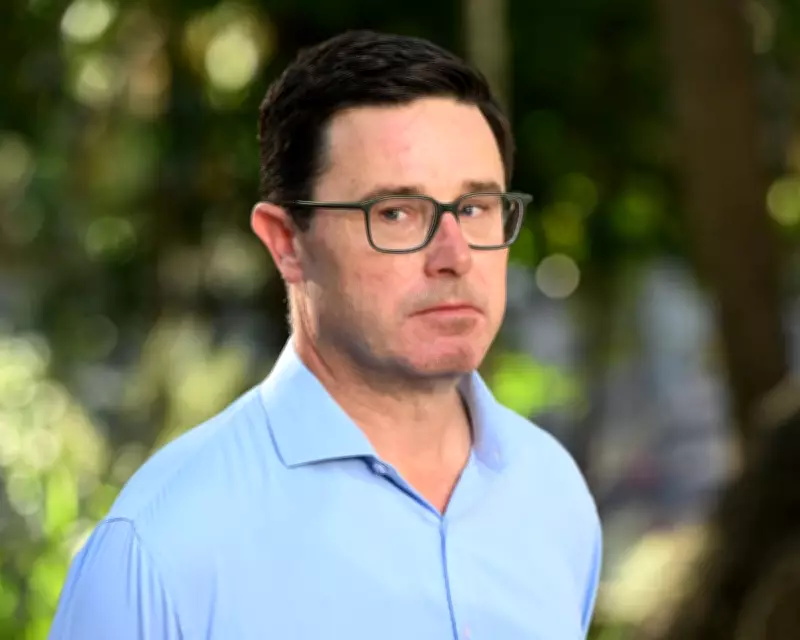
David Littleproud has retained his position as leader of the Nationals following an unsuccessful leadership challenge mounted by Queensland MP Colin Boyce. The failed spill attempt occurred during a party room meeting in Canberra, setting the stage for crucial discussions about the future of the Coalition partnership.
Immediate Talks Scheduled Between Coalition Partners
Littleproud is now scheduled to hold face-to-face talks with Liberal Party leader Sussan Ley on Monday evening, less than two weeks after the Nationals dramatically exited the Coalition shadow ministry. This meeting represents a significant development in the ongoing political crisis that has threatened the stability of both opposition leaders.
The Nationals leader had previously declined Ley's offer to meet ahead of parliament's return, insisting he would only engage in discussions if he survived Boyce's leadership challenge. With that condition now met, the path has been cleared for what could be pivotal negotiations about reuniting the centre-right alliance.

Internal Divisions and Reform Push Within Nationals
During the same meeting where Boyce's challenge failed, senior Nationals MP Darren Chester moved a separate motion calling for urgent reform of the Coalition arrangement. This push comes just eleven days after the Nationals party room voted to quit Ley's shadow ministry and split from the Liberals, creating one of the most significant political fractures in recent memory.
Boyce's leadership challenge was directly linked to the Coalition split, with the Flynn MP accusing Littleproud of leading the Nationals over a "political cliff" after overseeing the second Coalition separation in just eight months. The initial split occurred after Ley accepted the resignation of three Nationals MPs who crossed the floor on Labor's hate speech legislation, prompting all Nationals frontbenchers to resign in solidarity.
Liberal Ultimatum and Interim Arrangements
Ley has given the Nationals a ten-day window to reunite the Coalition before the Liberals proceed as the sole opposition party. She has already appointed an interim Liberal-only frontbench, with existing shadow ministers temporarily filling the Nationals' portfolios. This arrangement will become permanent if the parties fail to reconcile before parliament resumes on February 9th.
Despite the scheduled talks, Ley's own leadership remains under pressure, though Liberal MPs do not expect conservative rival Angus Taylor to mount a challenge when the party meets on Tuesday morning. The opposition leader finds herself navigating complex internal dynamics while attempting to rebuild the fractured Coalition.
Mixed Reactions Within Liberal Ranks
Senior Liberals appear divided on whether the Coalition should quickly reunite, with some MPs still expressing anger toward Littleproud and the Nationals over their handling of the recent separation. Shadow Industry Minister Alex Hawke, a close ally of Ley, warned that Littleproud would be committing the "biggest own goal" in Australian centre-right political history if he refused to reconcile with the Liberals.
Shadow Energy Minister Dan Tehan called for senior figures from both parties to come together "quietly" in coming days to develop a plan for reunification, emphasizing the need to focus on preventing future breakdowns. Meanwhile, Shadow Housing Minister Andrew Bragg, representing the moderate Liberal faction, suggested his party was not "desperate" to jump back into a union with the Nationals, indicating a willingness to contest the next election as a standalone party if necessary.
Political Commentary and Broader Implications
Prime Minister Anthony Albanese addressed the ongoing Coalition drama during a Labor caucus meeting, comparing the relationship between the Liberals and Nationals to an episode of reality television show "Married at First Sight." His remark that "you know they're going to end badly" reflects the broader political perception of the Coalition's current instability.

The coming days will prove critical for the future of Australian opposition politics, with Littleproud's survival of the leadership challenge providing him with renewed authority to negotiate Coalition reforms. However, significant obstacles remain, including lingering resentment between the parties and fundamental disagreements about the structure and terms of their partnership moving forward.





