Victoria's Liberal Leader Faces Pressure Over One Nation Deal Ahead of 2025 Election
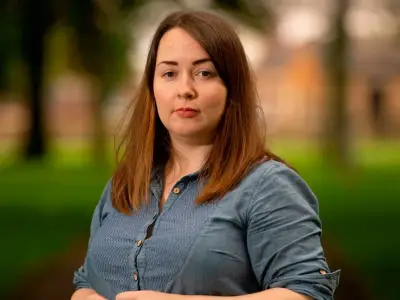
Jess Wilson, the leader of the Victorian Liberal party, is under significant pressure to reveal her position on striking a preference or minority government deal with Pauline Hanson's One Nation party as the state election approaches in November 2025. This comes amid internal divisions and a rising threat from the right flank, with recent polls indicating a substantial increase in support for One Nation compared to previous years.
Polling Surge and Internal Liberal Tensions
While internal conflicts have historically hindered the Victorian Liberal party's chances of winning government, a new challenge is emerging from One Nation. In the 2021 state election, One Nation received only 8,077 lower house first-preference votes out of over 3.6 million cast, equivalent to a mere 0.22% of the total, and secured just one upper house seat. However, the first batch of polls conducted this year suggests a dramatic shift, with One Nation commanding between 11% (Resolve poll) and 26.5% (Roy Morgan poll) of first preference votes.
This marks a significant jump from late 2025, when the final publicly reported poll by Redbridge/Accent Research showed only 4% of people intending to vote for a "minor right-wing party." It's important to note caveats such as sample sizes and methodological limitations, but the trend is clear. One Nation has intensified its campaign efforts, focusing on the Labor government's bushfire response and planning to field candidates in every lower and upper house seat for what it calls its "biggest election yet" in Victoria.
Senior Liberals and Preference Strategies
The polling surge has unsettled senior Liberals, with former premier Jeff Kennett urging the party to direct preferences to One Nation and, if necessary, govern in minority with them and other minor parties. Kennett's intervention has placed pressure on Wilson to clarify her stance, but she has repeatedly refused, stating that preference decisions will be made closer to the election and emphasizing the goal of securing first-preference votes for the Liberals or Nationals.
Wilson's focus remains on winning over Victorians, but the timing of preference announcements is critical. In the 2022 election, the Coalition confirmed its preference strategy only in mid-November, effectively influencing seat outcomes. A Liberal source noted that the biggest impact of Liberal preferences will likely be on Labor-Greens contests rather than One Nation's chances, but there is concern that if One Nation's votes flow to Labor, it could weaken the Coalition's prospects.
Moderate Control and Potential Defections
Power over preference arrangements rests with Wilson, a moderate, along with the executive committee and state director Alyson Hannam. Many in the party believe that winning in Victoria requires appealing to the centre rather than aligning with extreme elements. The moderate faction has been working to strengthen candidate selections for the November poll, including extending nomination periods and recruiting from outside the party.
Preselection contests for upper house seats in March will see conservative MPs like Moira Deeming challenged as part of efforts to consolidate centrist appeal. However, this carries risks, as federal MP Barnaby Joyce revealed that multiple Victorian Coalition MPs have approached One Nation about defecting. Deeming is rumoured to be among them if she loses preselection, and any defection could provide One Nation with additional resources and ammunition for Labor attacks.
Political Fallout and Multicultural Concerns
Labor has seized on the issue, with Premier Jacinta Allan accusing Wilson of "cosying up" to One Nation, and Minister for Multicultural Affairs Ingrid Stitt linking Wilson to Hanson's inflammatory comments about Muslims. Liberal MPs are acutely aware of the risks of alienating Victoria's multicultural communities, which the party has long struggled to engage, and the need to win inner-Melbourne seats where Hanson is viewed as divisive.
As the election nears, Wilson's decisions on preferences and party alignment could prove decisive. With One Nation's rising influence and internal Liberal dynamics at play, the political landscape in Victoria is set for a contentious battle that will shape the state's future governance.