New York Republican Faces Intense Scrutiny Over Trump's Actions and Demands
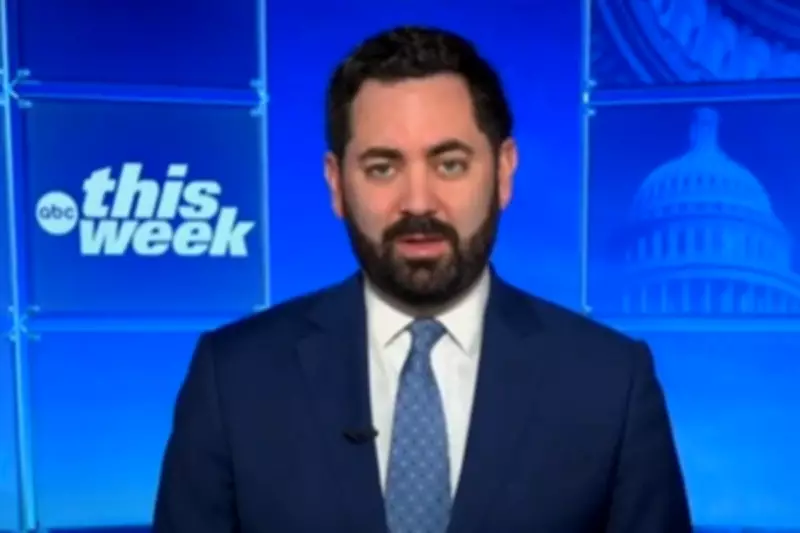
Representative Mike Lawler of New York found himself in the hot seat on Sunday, grappling with questions about former President Donald Trump's controversial actions and demands that have sparked widespread condemnation. The lawmaker, representing a politically competitive district, was pressed during an interview on ABC's This Week to address Trump's refusal to apologize for a racist social media post and his reported ultimatums regarding federal funding for infrastructure projects.
Trump's Racist Video and Lawler's Call for Apology
The controversy centers on a video posted from the @realDonaldTrump account on Truth Social, which depicted former President Barack Obama and former First Lady Michelle Obama as apes. This imagery was immediately recognized as a racist stereotype targeting Black people, drawing sharp criticism from across the political spectrum. Although the video was later deleted, with the Trump team blaming a staffer, Trump himself has steadfastly refused to issue an apology, stating on Air Force One that he did not make a mistake.
During the interview, Lawler was asked about the fallout from this incident. He responded by emphasizing the importance of accountability and sensitivity, given the historical context of racist depictions in the United States. "Look, I think sometimes in our public discourse, it is best to just say, 'I'm sorry,'" Lawler told ABC News. He added that he takes the White House at their word that it was a mistake but stressed the need to acknowledge the pain caused by such stereotypes.

Lawler further condemned the content, stating, "I'm glad they deleted it...but that type of meme or implication is wrong. And I think whoever created the original meme is an idiot. That type of content should not exist in our country." His comments came as the video was widely denounced, including by Senator Tim Scott, the Senate's lone Black Republican, who called it "the most racist thing" he had seen from the White House.
Infrastructure Funding and Trump's Renaming Demands
Beyond the racist post, Lawler was also questioned about Trump's reported demands to rename national landmarks in exchange for releasing frozen federal funds. Specifically, Trump has allegedly insisted that New York's Penn Station and Virginia's Dulles International Airport be renamed after him to allow funding for transportation projects to proceed. While these demands have not been officially confirmed by administration officials, they follow a pattern of Trump seeking to attach his name to public institutions.
When pressed by interviewer Jonathan Karl on whether Trump was holding funding hostage for personal glorification, Lawler struggled to dismiss the suggestion without directly rebuking the former president. Instead, he shifted blame to Democrats, citing a government shutdown last fall as the root cause of the funding freeze. "I have been against freezing the funds. But how did we get here? Chuck Schumer decided last fall to shut the government down for 43 days," Lawler claimed.
Karl countered, "I mean, he's holding the money hostage for having these things named after him," to which Lawler replied, "Jon, at the end of the day to me, I really could care less what the name of a building is. A critical infrastructure project is. I care that it gets done. And ultimately in my, from my vantage point, you know, work it out." This response highlighted the delicate balancing act Lawler faces in a district that voted narrowly for Kamala Harris over Trump in 2024.
Political Pressures and Policy Divisions
Lawler's interview underscored the broader challenges for Republicans in purple districts, where they must navigate pressures from both their party base and a diverse electorate. He is running for re-election in New York's 17th congressional district, a swing area that demands careful positioning on contentious issues. For instance, Lawler has been a vocal advocate for raising the state and local tax deduction (SALT) caps, a move that puts him at odds with many in his caucus.

Additionally, Lawler finds himself isolated from conservative hardliners on immigration. During the interview, he called it unrealistic to deport all estimated 25 million undocumented immigrants and advocated for a "legal path forward" through legislation. This stance contrasts sharply with figures like Stephen Miller and other anti-immigration conservatives, who oppose such measures as "amnesty." Lawler clarified that his proposal does not include a pathway to full citizenship, but his position still marks a significant departure from party orthodoxy.
The Sunday interview revealed the tightrope Lawler must walk as he seeks to maintain support in a competitive district while addressing controversies stemming from Trump's actions. His calls for apology on the racist video and pragmatic approach to infrastructure and immigration reflect the complex dynamics facing frontline lawmakers in today's polarized political landscape.