Labour MPs Deliver Verdict on Starmer's Mandelson Vetting Statement in Tense Commons Session
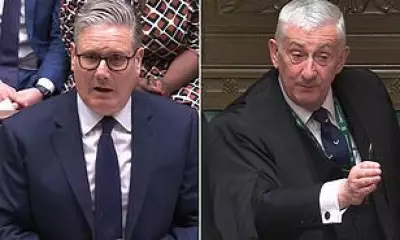
An atmosphere of intense anticipation gripped the House of Commons as Prime Minister Keir Starmer rose to deliver a critical statement lasting over two hours. The focus of the address was the revelation that Peter Mandelson, the former Labour minister, had failed security vetting for his appointment as Britain's Ambassador to the United States.
A Silent Chamber Hangs on Every Word
You could have heard a pin drop as Starmer began speaking. Since the news broke last week, Labour MPs had been anxiously awaiting an explanation from their leader. While many were furious that the ongoing saga was once again dominating headlines, there was a palpable indecision about how to react to this latest development.
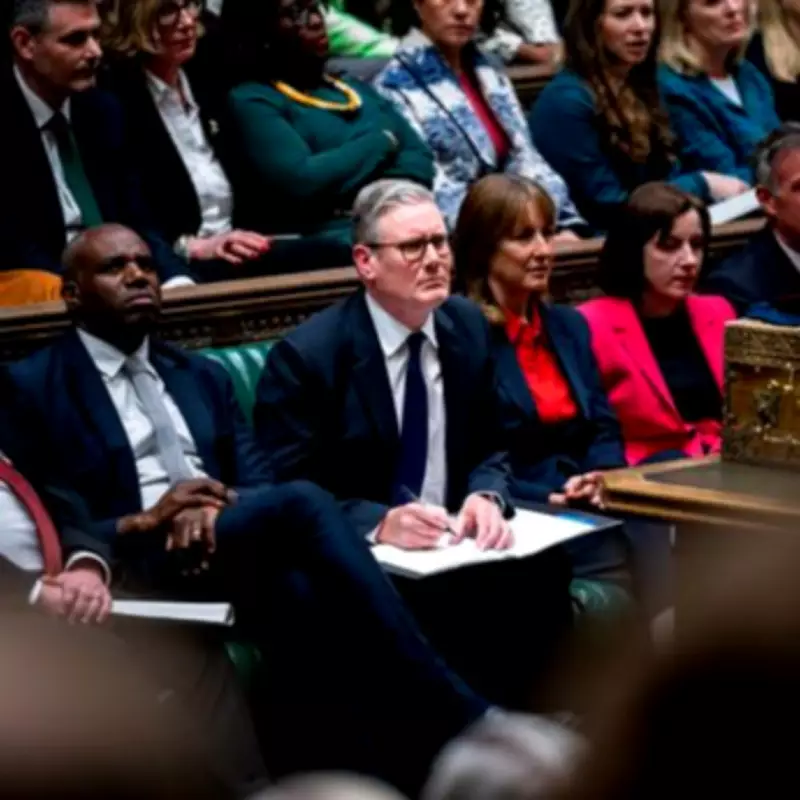
Chancellor Rachel Reeves and Deputy Prime Minister David Lammy sat with steely expressions beside Starmer, nodding along as he expressed fury at Foreign Office officials for withholding crucial information. However, it was the rows of Labour MPs behind them, with eyes and ears locked on the Prime Minister, who would ultimately determine the political impact of this scandal.

Starmer Maps Out "Beggars Belief" Sequence of Events
In the silent chamber, Starmer meticulously detailed the timeline leading to Lord Mandelson's proposed diplomatic appointment. He outlined the dates, documents, and missing pieces that resulted in government ministers remaining unaware that the Labour grandee had failed vetting procedures.
The Prime Minister described this process as something that "beggars belief," facing laughter and jeers from opposition MPs when he suggested many members "will find these facts to be incredible." Despite this, numerous Labour MPs appeared to share his genuine astonishment that he had not been informed about the vetting failure.
MPs Express Constituent Concerns Over Democratic Oversight
Multiple Labour MPs admitted their constituents were deeply concerned to learn that "not a single democratically elected official in Government was informed" about Mandelson's failed security clearance. One MP revealed via text that the Prime Minister had apologized for appointing Mandelson given his links to Jeffrey Epstein, but emphasized this was a separate matter for which the Foreign Office bore responsibility.
Another MP raised serious questions about civil service "culture" and what other information unelected officials might be concealing from elected representatives. While there was some criticism from left-wing figures including veteran MP Diane Abbott and long-serving Labour MP John McDonnell, Starmer faced no demands for resignation from within his own party ranks.
Starmer Avoids Immediate Political Crisis But Danger Remains
Overall, Labour MPs appeared to accept Starmer's account of events, believing he had been kept in the dark by Foreign Office officials. However, the Prime Minister is not yet out of the danger zone. A crucial evidence session scheduled for tomorrow with Foreign Office chief Sir Olly Robbins, who is reportedly "heartbroken" over his dismissal, will be "more critical" according to one MP's assessment.
While Starmer may have avoided immediate political consequences today, MPs recognize there are always two sides to every story. Their attention remains sharply focused as this diplomatic appointment scandal continues to unfold, with further revelations potentially emerging in the coming days that could reshape the political landscape once again.