Labour Leadership Turmoil: Burnham Blocked as Rayner Stages Comeback
Sir Keir Starmer's attempts to quell leadership speculation within the Labour Party have been dealt a double blow this week, as one potential challenger was blocked from advancement while another signalled a remarkable political resurgence. The Prime Minister's authority faces fresh scrutiny amid growing discontent on his own benches.
Burnham Blocked from By-Election Bid
As Sir Keir boarded his flight to Beijing on Tuesday evening, he received confirmation that Greater Manchester Mayor Andy Burnham had been prevented from standing in the Denton and Gorton by-election. This decision, while temporarily neutralising one immediate leadership threat, has sparked accusations of a "stitch-up" against the popular northern mayor.
The full political consequences of blocking Burnham's parliamentary return remain uncertain, but the move has undoubtedly intensified internal party tensions. For now, Starmer has successfully prevented Burnham from establishing a Westminster power base from which to challenge his leadership directly.

Rayner's Unexpected Political Resurrection
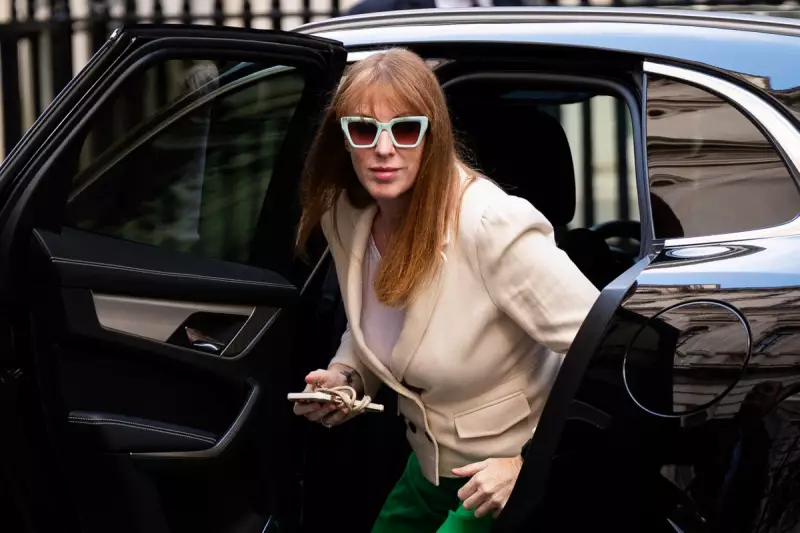
Even as one leadership rival was being sidelined, another emerged from political exile. Moments before the Prime Minister's departure, former deputy prime minister Angela Rayner declared she was "not dead yet" politically, effectively positioning herself as the standard-bearer for Labour's left wing.
This announcement represents a remarkable turnaround for a politician who resigned from cabinet just months ago over a £30,000 tax bill scandal. Typically, such controversies prove terminal to political careers, requiring extended periods of rehabilitation away from frontline politics.
Rayner's Resilience Defies Political NormsFriends and allies of Ms Rayner speaking to The Independent at last September's Trades Union Congress gathering predicted her swift return, noting that "for some politicians, the normal rules do not apply." This prophecy appears to be materialising far sooner than many Westminster observers anticipated.
Her political resurgence stems less from her personal virtues than from growing dissatisfaction with Starmer's leadership. After nearly twenty months of negative headlines, poor polling, multiple policy reversals, and perceptions of governmental chaos, increasing numbers of Labour MPs are seeking alternatives.
The Charisma Deficit in Starmer's Labour
A significant factor driving leadership speculation is what one Labour MP termed the "ABS" phenomenon - "anybody but Starmer." Party members seeking change are looking for qualities distinctly different from the Prime Minister's technocratic managerialism.
This pattern mirrors recent Conservative psychodramas: after Theresa May's removal, the Tories opted for Boris Johnson's charisma; following the turbulence of Johnson and Liz Truss, they returned to Rishi Sunak's managerial approach. Now Labour appears poised to repeat this cycle in reverse.
Many Labour MPs observe Reform's Nigel Farage and the Greens' Zack Polanski - both charismatic leaders enjoying polling success - and yearn for similar personality-driven appeal. This creates natural openings for figures like Rayner, Wes Streeting, Shabana Mahmood, and the temporarily sidelined Burnham.
The Left's Limited AlternativesWith Burnham currently blocked from advancement, Labour's left wing faces limited alternatives. Streeting and Mahmood are perceived as too right-wing for many party traditionalists, while Energy Secretary Ed Miliband represents Rayner's most credible left-wing competitor.
Some critics argue Rayner remains "tarnished" by her ministerial involvement in maintaining the two-child benefit cap and welfare reductions, though allies contend she opposed these measures privately while bound by collective responsibility.
Personality Politics Versus Policy Substance
Should Labour MPs attempt a leadership challenge, they face fundamental questions about what and whom they would be replacing Starmer with. A turn toward Rayner would represent primarily a personality-driven choice, coupled with hopes she could deliver the soft-left agenda many party members desire.

The coming weeks will reveal whether this renewed leadership speculation represents temporary turbulence or the beginning of a more serious challenge to Starmer's authority. What remains clear is that the Prime Minister's attempts to consolidate control have instead highlighted the persistent divisions within his party.