Labour Leadership Under Internal Review Amid Strategic Debates
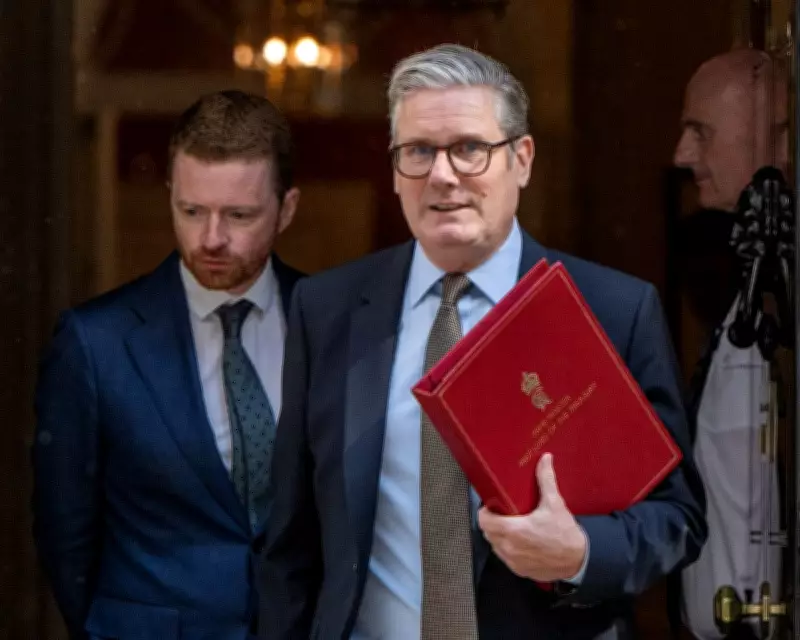
The Labour Party is currently experiencing a period of intense internal scrutiny, with key figures including leader Keir Starmer, veteran strategist Peter Mandelson, and campaign director Morgan McSweeney at the centre of discussions. This comes as the party grapples with its strategic direction and prepares for upcoming electoral challenges.
Key Figures in the Spotlight
Keir Starmer, as the party leader, is facing questions about his leadership style and policy agenda. Insiders report that there are ongoing debates within the party regarding how to effectively communicate Labour's vision to the public and address pressing national issues.
Peter Mandelson, a former cabinet minister and influential political advisor, has been involved in recent consultations. His experience and insights are being sought to help shape the party's approach, particularly in areas such as economic policy and electoral strategy.

Morgan McSweeney, who oversees campaign operations, is also under review. His role in coordinating Labour's electoral efforts is critical, and there are discussions about optimising campaign tactics and resource allocation to maximise impact in future votes.
Strategic Challenges and Internal Dynamics
The internal scrutiny reflects broader challenges within the Labour Party. These include balancing different ideological factions, developing a coherent policy platform, and responding to shifting political landscapes. The party is actively evaluating its messaging, outreach methods, and organisational structure to enhance its competitiveness.
Recent meetings and briefings have highlighted tensions between traditional Labour values and modern electoral demands. There is a focus on how to appeal to a diverse electorate while maintaining core principles, with debates often centred on issues like economic inequality, public services, and social justice.
Additionally, the party is considering its digital and grassroots campaigning strategies. With technology playing an increasingly important role in politics, Labour is looking at ways to leverage data analytics and social media to engage voters more effectively.
Implications for Future Elections
This period of introspection is seen as crucial for Labour's prospects in upcoming elections. The outcomes of these internal discussions could influence candidate selections, policy announcements, and overall campaign themes. Observers note that how the party addresses these strategic questions may determine its ability to challenge incumbent governments and win public support.
There is also attention on how Labour handles internal dissent and fosters unity. Managing disagreements while presenting a united front to voters is a key aspect of the current review process, with leaders emphasising the importance of collaboration and shared goals.
As the political landscape continues to evolve, Labour's ability to adapt and refine its approach will be closely watched. The involvement of figures like Mandelson and McSweeney suggests a concerted effort to draw on diverse expertise and experience to navigate these challenges successfully.