Labour Factions Battle for Influence in Post-McSweeney Era as Starmer Faces Reset
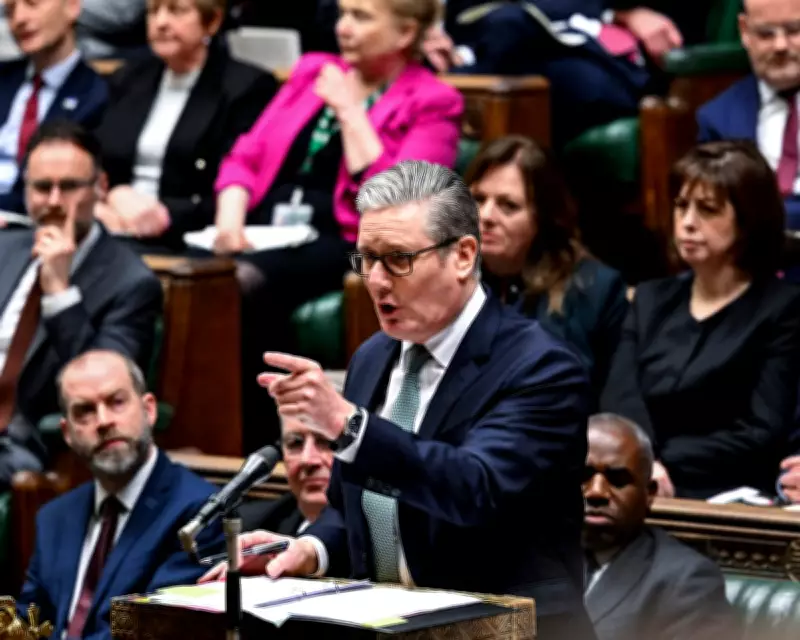
In the wake of Morgan McSweeney's departure as chief of staff, Labour factions are intensifying their efforts to shape the party's future direction under Prime Minister Keir Starmer. McSweeney, a pivotal figure in shaping Labour's modern incarnation, left a significant vacuum, prompting various groups within the party to vie for influence over a potential reset.
A Vacuum and Opportunity
One senior Labour figure described the situation as a vacuum, with everyone competing for control. Referring to Starmer's often-criticised leadership style, they noted that the prime minister remains in a symbolic driving seat while others seek to steer the party's trajectory. This sentiment emerged during a Monday evening meeting where Starmer addressed Labour MPs, with even sceptics observing a shift in his demeanour.
Energy Secretary Ed Miliband remarked that Starmer appeared "liberated," hinting at freedom from McSweeney's influence. Miliband, a close friend, expressed frustration that Starmer's private beliefs have not been sufficiently public, urging him to seize this moment for radical change.

Divergent Visions for Labour's Future
However, interpretations of "letting Keir be Keir" vary widely among factions. Some advocate for a progressive pivot to challenge Reform UK more aggressively, while others call for symbolic gestures to end the McSweeney era of factionalism, such as a cabinet reshuffle or reforms in the whips' office. Many emphasise the need for a new economic course to address the cost-of-living crisis, arguing that current policies are inadequate.
One MP highlighted that Starmer has a reprieve until May, but stressed that economic issues must be prioritised to win future elections. The soft-left Tribune group, including former cabinet minister Louise Haigh, is preparing policy proposals on economy, welfare reform, and social cohesion. A soft-left MP criticised No 10 as underpowered and urged for more coherent strategies, though doubts remain about Starmer's appetite for radical change.
Resistance and Economic Reforms
A leftward turn faces resistance from the party's right, including ambitious new MPs who favour modernising Labour's economic offering with a focus on housing, growth, and youth opportunities rather than traditional nationalisation and welfare. The Labour Growth Group (LGG) is drafting a report titled the Beveridge report for the economy, accusing the government of lacking a political and economic philosophy.
The LGG argues that Labour's economic vision has been insufficiently radical, describing Britain as an "extraction economy" that rewards loopholes over investment. It proposes new "five giants" to address issues like low wages, high bills, and community fractures. MP Yuan Yang, who sits on both Tribune and LGG, emphasised common ground, calling for economic regulation to disincentivise corporate grift and promote innovation.
Internal Struggles and Leadership Challenges
Frustration is mounting among new MPs over the slow pace of change and ongoing infighting. Initiatives like Labour Thinks, founded by five MPs, aim to generate ideas for governing effectively and winning back disillusioned voters. Critics highlight operational weaknesses in No 10, with key roles like chief of staff and communications chief unfilled, leading to calls for a stronger team to support Starmer.
Cabinet ministers advocate for a clearer articulation of Labour's values and a broader worldview to avoid missteps. Discussions about a post-factional reshuffle are divisive, with some seeing it as necessary to bring in new talent, while others caution against it during a period of weakness. The whips' office is also flagged for reform due to trust issues among MPs.
Temporary Reprieve and Future Uncertainties
Most MPs view Starmer's reprieve as temporary, warning that further scandals or poor election results could jeopardise his leadership. However, there is scepticism about potential successors, with one MP criticising the lack of substantive policy differences among candidates like Wes Streeting and Angela Rayner, beyond superficial "vibes."

New MPs express despair over shallow thinking in leadership contests, arguing that serious engagement with national challenges is essential to break the cycle of political convulsions. As Labour navigates this pivotal moment, the battle for influence continues, with factions pushing Starmer to define his legacy and revive the party's fortunes ahead of critical electoral tests.