
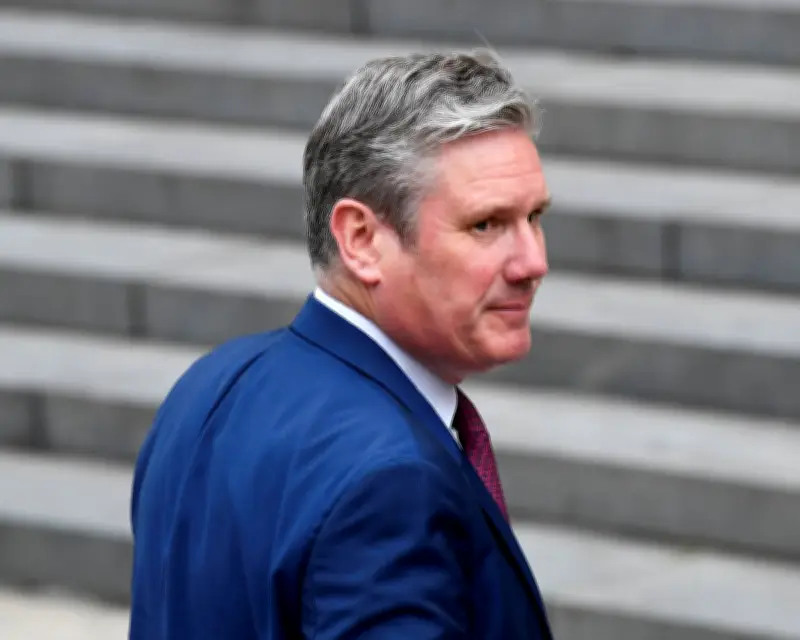
Keir Starmer has become the United Kingdom's new prime minister after the Labour Party secured a landslide victory in the general election, ending 14 years of Conservative government. The result, announced in the early hours of Friday, saw Labour win 412 seats in the House of Commons, a majority of 174, while the Conservatives suffered their worst electoral defeat in history, dropping to just 121 seats.
Landslide Victory for Labour
Labour's triumph was built on gains across all regions of England, Scotland, and Wales, with the party winning back many of the so-called 'red wall' seats that had turned Conservative in 2019. The Liberal Democrats also made significant gains, winning 72 seats, while the Scottish National Party (SNP) saw its representation fall to just 9 seats, down from 48 in 2019.
Speaking outside Downing Street after being appointed prime minister by King Charles III, Starmer said: 'The British people have spoken, and they have chosen hope over fear, change over stagnation. My government will work tirelessly to rebuild our country, restore faith in politics, and deliver for working people.'
Conservative Collapse
The Conservative defeat was the worst in the party's history, with several cabinet ministers losing their seats, including Defence Secretary Ben Wallace and Chancellor Jeremy Hunt. Former prime minister Rishi Sunak conceded defeat early on Friday, saying: 'The British people have delivered a devastating judgment on the Conservative Party. I take full responsibility for this loss.'
The result was driven by widespread dissatisfaction with the Conservatives' handling of the economy, the National Health Service, and a series of scandals. According to exit polls, 42% of voters cited the cost of living crisis as their top concern, while 28% pointed to the state of the NHS.
Starmer's Agenda
In his first speech as prime minister, Starmer outlined his priorities, including economic growth, investment in public services, and a crackdown on crime. He also pledged to renegotiate the UK's post-Brexit trade deal with the European Union, saying: 'We will seek a closer, more constructive relationship with our European neighbours, one that works for Britain.'
Labour's manifesto included plans to raise taxes on the highest earners and large corporations, increase spending on the NHS and education, and nationalise key industries such as rail and energy. Starmer also promised to introduce a new 'Green New Deal' to tackle climate change, creating thousands of jobs in renewable energy.
Reactions and Implications
The election result was welcomed by European leaders, with French President Emmanuel Macron saying: 'I look forward to working with Prime Minister Starmer to strengthen our partnership and address common challenges.' US President Joe Biden also congratulated Starmer, calling him a 'friend and ally.'
However, the result has raised questions about the future of the Conservative Party, with some commentators predicting a shift to the right in the leadership contest to replace Sunak. Meanwhile, the SNP's poor performance has reignited debate about Scottish independence, with First Minister Humza Yousaf calling for a new referendum.
Starmer will now appoint his cabinet and begin the work of government, with the first 100 days seen as critical to setting the tone for his premiership. The new parliament is expected to convene next week.




