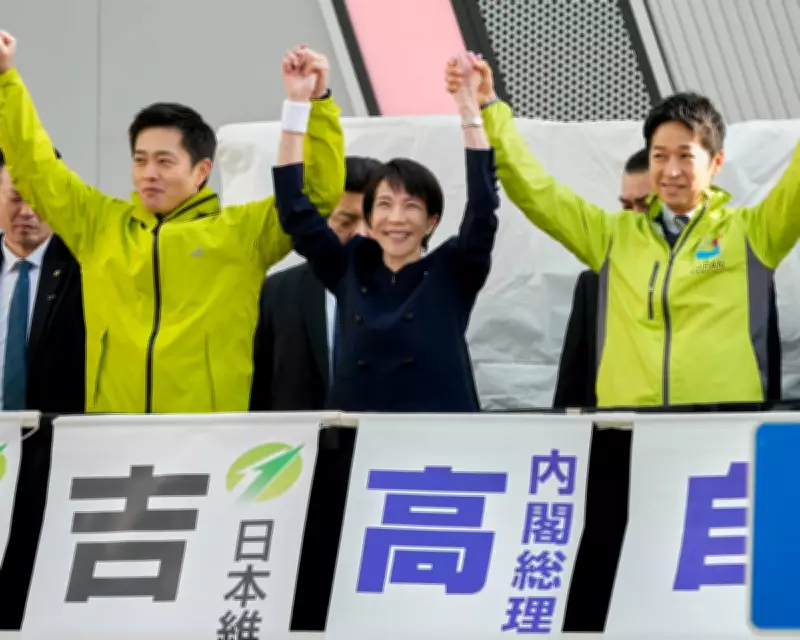
Sanae Takaichi, Japan's first female prime minister, represents a striking departure from the nation's traditional political leadership. Her campaign rally in Tokyo on 27 January 2026 showcased a leader who has cultivated an unprecedented connection with younger generations through savvy social media use and a modern public persona.
A New Style of Leadership in Japanese Politics
Where previous Japanese leaders gained attention for unflattering viral moments—from messy eating to parliamentary napping—Takaichi has carefully crafted an image of dynamic, engaged leadership. Her early diplomatic efforts have produced remarkable imagery that circulates widely online, including a now-famous clip of her drumming with South Korean President Lee Jae Myung to popular K-pop tracks.
This display of cultural engagement surprised many observers who anticipated diplomatic tension, instead presenting Takaichi as a leader capable of navigating complex geopolitical relationships with contemporary flair. The authenticity of such moments has even prompted some viewers to question whether they were AI-generated, underscoring how dramatically they diverge from conventional political theatre.

The Sana-katsu Phenomenon
Takaichi's appeal has spawned an unusual political fandom known as "Sana-katsu," a term more commonly associated with idol culture than with prime ministers. Admirers circulate clips of her public appearances, emulate her style down to specific accessories, and engage with her political brand with an enthusiasm rarely seen in Japanese politics.
This creates a fascinating paradox when examining her support among younger demographics. Internationally, Takaichi is often characterised as socially conservative, opposing reforms such as separate surnames for married couples and same-sex marriage—positions typically at odds with progressive youth values.
Economic Anxiety Over Ideological Alignment
Yet polling data reveals extraordinary approval ratings among young Japanese voters. A Sankei Shimbun/FNN survey conducted in mid-December showed 92% cabinet approval among those aged 18 to 29, a remarkable figure given typical youth disengagement from politics.
Superficially, this might suggest Japan is shifting rightward alongside global trends, particularly as immigration and national identity become more prominent political themes. However, deeper analysis indicates economic concerns rather than ideological alignment explain Takaichi's youth appeal.
Young Japanese face mounting financial pressures as wages stagnate against rising living costs and a weakening yen erodes purchasing power. The social contract appears increasingly unbalanced, with younger workers paying higher taxes and social insurance while doubting future security in a rapidly ageing society.
The Demographic Burden
Official projections illustrate this demographic shift starkly: Japan has moved from 7.7 workers supporting each elderly person in 1975 to approximately 1.9 by 2025. For those in their twenties and thirties, this translates to tangible anxiety about achieving traditional milestones like home ownership, starting families, and career stability.
Everyday essentials have become noticeably more expensive, with staples like rice doubling in price within a year. Many young workers find single incomes insufficient for family formation, while concerns persist about career disruption from pregnancy or childcare responsibilities.
Takaichi's Economic Messaging
It is within this context that Takaichi's economic proposals resonate powerfully. She has championed tax relief measures including raising income-tax thresholds and expanding deductions designed to increase take-home pay. For younger workers watching monthly deductions rise while real purchasing power declines, the promise of more disposable income proves compelling.
As Takaichi calls a snap election for 8 February, her campaign hinges on securing a parliamentary majority to implement these economic measures. However, recent polling suggests some slippage in approval as voters grow sceptical about whether her stimulus package, launched late last year, will genuinely alleviate rising costs.

Political Novelty and Persistent Concerns
Part of Takaichi's appeal stems from her status as an outsider in a political system dominated by dynastic succession. In a landscape where men often inherit Diet seats like family property, her rise as a woman in a traditionally male-dominated culture represents meaningful change.
Yet significant questions remain about policy implementation. The timing of the snap election appears opportunistic, capitalising on polling peaks rather than national necessity. Details about funding temporary tax breaks on essentials remain unclear, while her party's re-endorsement of figures previously linked to slush-fund scandals raises ethical concerns.
As Japan confronts substantial challenges—from demographic pressures to economic uncertainty—the distinction between charismatic leadership and effective governance becomes increasingly crucial. While Takaichi's appeal among young voters reflects genuine economic anxieties, whether her policies provide sustainable solutions remains uncertain as the nation approaches a pivotal electoral decision.