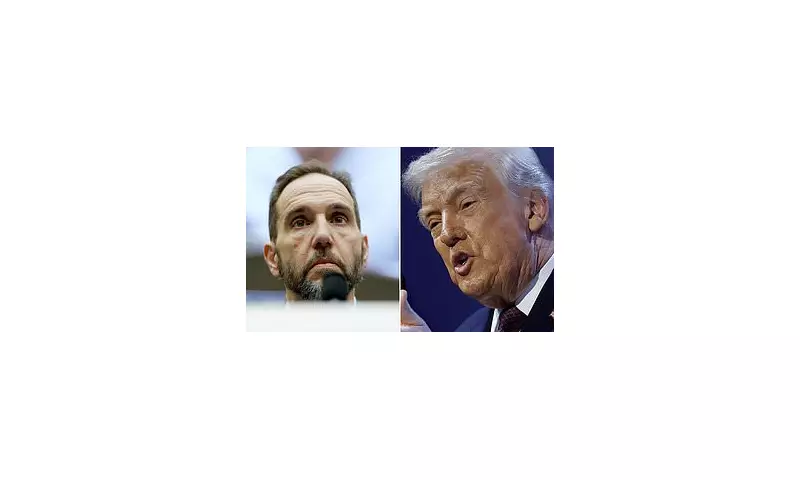
Former Special Counsel Jack Smith delivered a powerful testimony before the US House Judiciary Committee on Thursday, delivering a scathing critique of former President Donald Trump's actions following the 2020 presidential election. In his opening statement, Smith accused Trump of orchestrating what he described as a criminal scheme designed to subvert democratic processes and prevent the lawful transfer of power.
Detailed Allegations of Election Interference
Smith provided comprehensive details about how he believes Trump attempted to overturn the election results. According to his testimony, Trump engaged in multiple coordinated efforts to undermine the electoral process. These included applying pressure on state officials to disregard accurate vote counts in key battleground states. Furthermore, Smith alleged that Trump's campaign manufactured fraudulent elector slates across seven states where he had lost the popular vote.
The Role of Vice President Pence
One of the most significant allegations centered on Trump's reported attempts to influence then-Vice President Mike Pence. Smith testified that Trump sought to force Pence to refuse certification of the election results during the January 6th congressional proceedings, a move that would have represented an unprecedented break from constitutional norms.

Background of Smith's Investigations
Jack Smith served as the independent special prosecutor appointed by Attorney General Merrick Garland under President Joe Biden's administration. His mandate included two major investigations into Trump's conduct. The first focused on events surrounding the January 6, 2021 Capitol insurrection, while the second examined alleged mishandling of classified documents after Trump left office.
Political Controversy and Partisan Divisions
The hearing revealed deep partisan divisions within the committee. Republican House Judiciary Chairman Jim Jordan launched strong criticisms against Smith's investigative record, questioning the motivations behind the probes. In contrast, Ranking Member Jamie Raskin defended Smith's work, arguing that the special counsel had pursued facts rather than political agendas. Raskin contrasted this approach with what he characterized as Trump's actions driven by political vendettas.
Smith's Defense of His Work
Throughout his testimony, Smith vehemently denied that political considerations had influenced his investigations. He emphasized his commitment to legal principles that transcend partisan politics. "Adherence to the rule of law is not a partisan concept or endeavor," Smith stated. "The Justice Department's core values, and the traditions and norms I was raised on as a prosecutor, are not meant to change from one administration to the next."
Smith expressed concern about the erosion of legal norms, drawing from his nearly three decades of public service including international experience. "My fear is that we have seen the rule of law function in this country for so long that many of us have come to take it for granted," he added in his opening statement.
Case Dispositions After Trump's Election Victory
Following Trump's victory in the November presidential election, Smith moved to dismiss both cases against the former president. This decision aligned with longstanding Justice Department policy against prosecuting sitting presidents. The January 6 case was dismissed without prejudice, leaving open the possibility of future charges after Trump leaves office. However, the classified documents case proved more complex, as Trump's allies fought to have it dismissed with prejudice, which would permanently bar future prosecution. This case also involved co-defendants Walt Nauta and Carlos De Oliveira.
Resignation and Final Report
Smith resigned from the Justice Department prior to Trump's inauguration but submitted a final report defending his investigations before his departure. Meanwhile, the new Office of Special Counsel launched an investigation into Smith himself, examining whether his Trump probes were politically motivated.

The hearing represented a significant moment in the ongoing examination of the 2020 election's aftermath and the legal boundaries of presidential conduct. Smith's detailed allegations and defense of his investigative work highlighted the continuing tensions between political accountability and legal processes in American democracy.