Fuel Protests Paralyse Irish Motorways Amid Political Turmoil
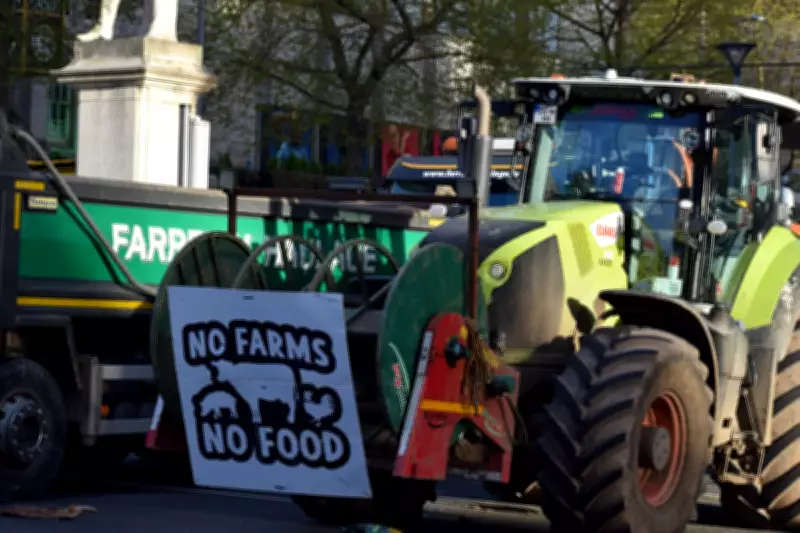
Fuel protests in Ireland, led primarily by hauliers, farmers, and agricultural workers, have escalated into significant traffic disruption on motorways, particularly around Dublin, with the chaos continuing into Monday. This follows initial blockades at fuel depots that were later lifted, but demonstrators have persisted in walking along motorways, including routes towards Dublin Airport, causing widespread delays and logistical headaches for commuters and businesses alike.
Government Announces €505 Million Aid Package
In response to the escalating crisis, the Irish government unveiled a €505 million financial package on Sunday, aimed at mitigating the soaring fuel costs that have sparked the protests. Officials attributed the price surge to the 'US and Israeli war in Iran and the effective shutdown by Iran of the Strait of Hormuz,' which has disrupted global oil supplies. This new measure adds to a previous €250 million initiative, highlighting the government's efforts to address economic pressures. However, Social Protection Minister Dara Calleary emphasised that the package was not a concession to the protests, stating that discussions with farming and transport groups were already in progress before the demonstrations began.
Protesters Voice Mixed Reactions and Regional Escalations
While some protesters acknowledged the government's financial measures, a spokesman for the Dublin fuel protest noted they had 'achieved something small' but expressed frustration over having 'no control' over the continuation of further, more regional demonstrations. This indicates that the unrest may spread beyond Dublin, with localised actions potentially exacerbating the disruption in coming days. The protests have drawn attention to broader issues of economic hardship and government responsiveness, with participants demanding more direct engagement and long-term solutions.

Sinn Fein Tables No Confidence Motion in Parliament
The ongoing fuel protest chaos coincides with a critical political development, as the main opposition party, Sinn Fein, is set to table a motion of no confidence in the Irish parliament on Tuesday. The motion criticises the government's perceived inaction and failure to engage directly with protesters, adding a layer of political pressure amidst the civil unrest. This move could intensify the scrutiny on the administration's handling of the crisis, potentially influencing future policy decisions and public trust.
Impact on Traffic and Broader Implications
The protests have caused severe traffic disruption, with motorways around Dublin experiencing gridlock as people walk along routes, including those leading to Dublin Airport. This has not only inconvenienced travellers but also raised concerns about emergency access and economic productivity. As the situation unfolds, the combination of civil disobedience and political manoeuvring underscores the challenges facing Ireland in balancing immediate relief with sustainable strategies for fuel affordability and national stability.