Intolerance in Vogue: Footballers Booed, Adverts Menaced as UK Faces Multicultural Fracture
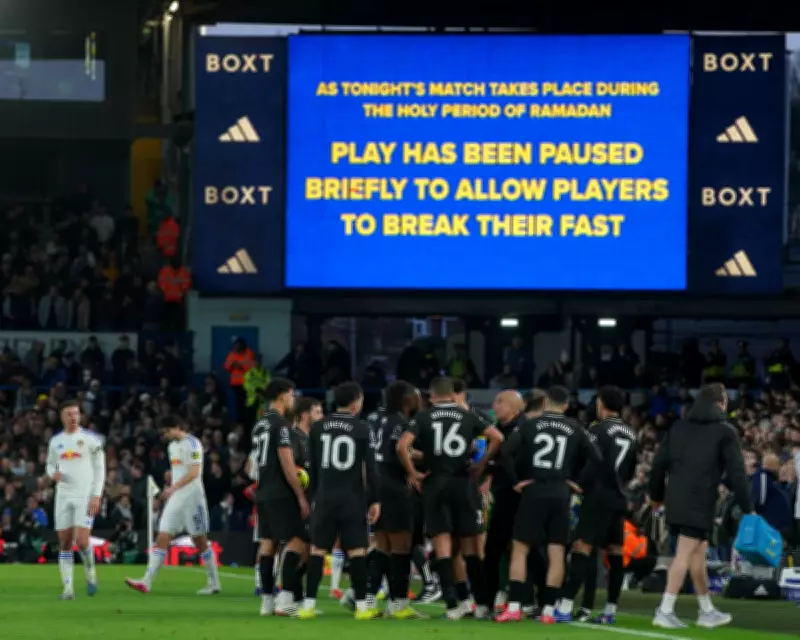
In a stark display of rising intolerance, Muslim players were openly jeered as they broke their Ramadan fast during the Leeds United versus Manchester City match at Elland Road on 28 February 2026. This incident highlights a broader trend of bigotry sweeping across Britain, where minorities in advertisements are menaced and political leaders fail to address the fracturing of multiculturalism.
A Void of Moral Authority in Politics
The gravity of this situation is amplified by a void at the top of UK politics, where no figure holds real moral authority to combat hate and division. During a recent BBC Radio 4's Any Questions, a man named Steve questioned if Labour needed to return to its roots, arguing against demonising minority groups. However, panellist David Blunkett, a former New Labour minister, criticised Labour's technocratism without addressing Steve's concerns about demonisation.
Blunkett's past comments, such as describing schools as "swamped" by immigrants in 2002 and winning an Islamophobia award in 2003, contrast sharply with the tolerance espoused by Green MP Hannah Spencer. In her speech after the Gorton and Denton byelection, Spencer called out politicians who scapegoat Muslim communities, emphasising that her Muslim friends are "just like me, human."

Escalating Abuse Across Society
This intolerance extends beyond football pitches. Last year, Syed Usman Shah faced a barrage of racist abuse after appearing on a "welcome to Heathrow" poster, with comments claiming the UK is "under siege." Similarly, a Muslim sportswoman in the campaign endured so much abuse that she requested her posters be removed. On social media, it is now commonplace for hateful accounts to spread pictures of primary school classes, remarking on the number of ethnic minority pupils.
The climate of fear is palpable, as evidenced by an incident last week where a white British man allegedly entered a mosque during Ramadan prayers wielding an axe, with criminal proceedings underway. While motivations are yet to be established, this speaks to the terror that presides over Muslim people and other minorities in their daily lives.
Political Hypocrisy and Failed Leadership
Keir Starmer addressed the mosque incident, calling it "worrying for Muslim communities," yet he criticised the Greens for welcoming "divisive, sectarian politics" in their byelection victory. This hypocrisy undermines trust in his rebukes, especially as Labour apes cruel rhetoric from Nigel Farage's Reform project, with Home Secretary Shabana Mahmood pursuing hardline immigration policies.
Unlike Australia, which has a minister for multicultural affairs, the UK lacks an official role focused on alleviating tensions and bringing communities together. This leaves only crisis management after tensions escalate, with no political heft behind efforts to relieve such divisions.
King Charles as an Unlikely Beacon of Hope
In this moral vacuum, King Charles has emerged as an authoritative figure, using his Christmas speech to advocate for unity and getting to know neighbours. It is sobering that a royal is the only figure offering simple calls for compassion, highlighting how depleted UK politics has become of moral authority.
As Britain plunges deeper into parochialism and open bigotry, the question remains: is this the path the country wants to go down? With worse figures threatening to emerge, the need for a unifying vision has never been more urgent.