ICE Agents Deployed to US Airports as TSA Struggles with Long Security Lines
Travelers across the United States encountered unpredictable and often lengthy security lines at airports on Thursday, as Immigration and Customs Enforcement (ICE) agents began assisting beleaguered Transportation Security Administration (TSA) screeners. The situation has led to mixed results, with some passengers reporting smooth experiences while others faced hours-long delays.
Chaotic Scenes at Hartsfield-Jackson Atlanta International Airport
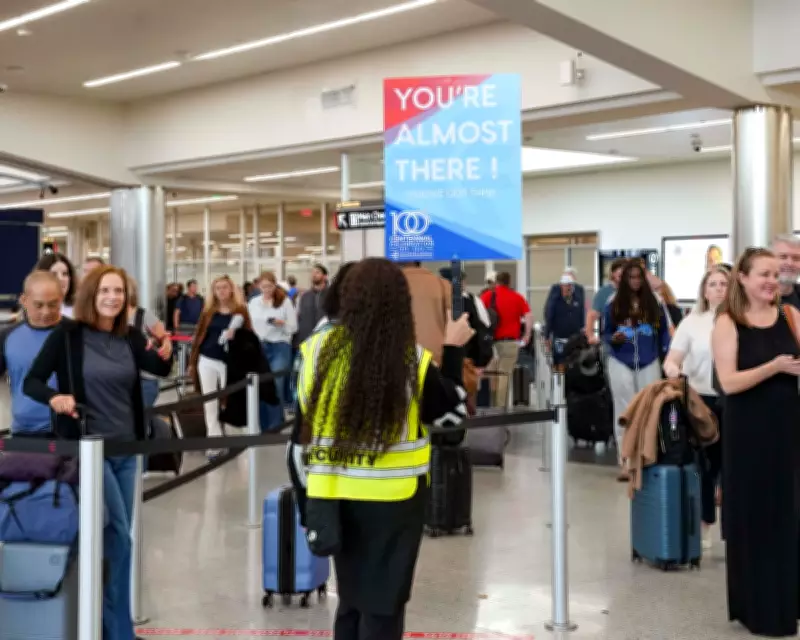
At Hartsfield-Jackson Atlanta International Airport, digital wait-time signs were turned off days ago, making it difficult for passengers to gauge screening times. Morning flights particularly suffered, with lines winding around baggage carousels and extending outside to the curb, resulting in waits of up to three hours. However, by afternoon, wait times reportedly shrank rapidly, though they bumped up again for evening flights.
Lindy Rosenkampff from Alpharetta, Georgia, shared her experience: "We arrived at 1pm and literally, we're 20 minutes and checked a bag – international – and we're an hour in line." She and Gail Smith from Steamboat Springs, Colorado, were flying to Europe and noted the presence of ICE agents, though their impact varied.

Political Developments and Funding Standoff
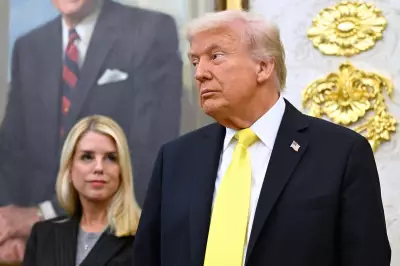
The deployment of ICE agents comes amid a funding crisis in Washington, where nearly 500 TSA screeners have reportedly quit in recent weeks due to missed paychecks. Early on Friday, the US Senate voted to fund the Department of Homeland Security, sending the bill back to the House. Meanwhile, former President Donald Trump announced on Truth Social that he would sign an executive order to pay 50,000 TSA agents using other government funds.
Trump stated: "I am using my authorities under the Law to protect our Great Country... Therefore, I am going to sign an Order instructing the Secretary of Homeland Security, Markwayne Mullin, to immediately pay our TSA Agents in order to address this Emergency Situation." These developments aim to provide relief to travelers, especially with the upcoming World Cup adding pressure.
Traveler Experiences and Reactions to ICE Presence
Passengers reported a wide range of experiences. Drummer Kenny Wollesen, traveling to the Big Ears festival in Knoxville, had a quick 15-minute check-in despite carrying brass cymbals that usually trigger extra screening. He noted: "That's one of the easiest check-ins I've ever had." However, others faced Disneyland-like lines, with disruptions exacerbated by a fatal cargo plane collision at LaGuardia Airport in New York, which scrambled travel plans nationwide.
The presence of ICE agents drew mixed reactions. Funsho Ladipo, a Nigerian emigre and American citizen, felt unafraid but cautioned: "Everybody in this country believes they have freedom. Dear human beings, they are carrying guns. That's one thing that I do tell people. Be careful." In contrast, Libby Belden from Madison, Wisconsin, called it "absolutely horrible" and a violation of rights.
ICE's Role and Public Perception
Initially, ICE agents were observed standing around in military-style equipment, but by Thursday, they had started staffing TSA security terminals where passengers provide ID. They are not operating screening stations, which require months of training. Rosenkampff commented: "They know they have an optics problem, a PR nightmare right now, and so they're doing everything they can to change that."
A federal employee, who requested anonymity, suggested this move is aimed at rehabilitating ICE's image, stating: "They're extremely polite, smiling. It's all fake to me." He warned that if ICE can replace TSA agents, it might reduce incentives for Congress to resolve the funding bill, adding: "It's almost like they want them to take over."

Broader Implications and Future Outlook
With spring break creating a travel surge, passenger volume remains high despite the disruptions. The bottleneck at security checkpoints, driven by TSA shortages, continues to shape traveler behavior, with many rescheduling flights or arriving hours early. As the funding standoff persists, the integration of ICE agents into airport security raises questions about efficiency and civil liberties, leaving passengers navigating an uncertain travel landscape.