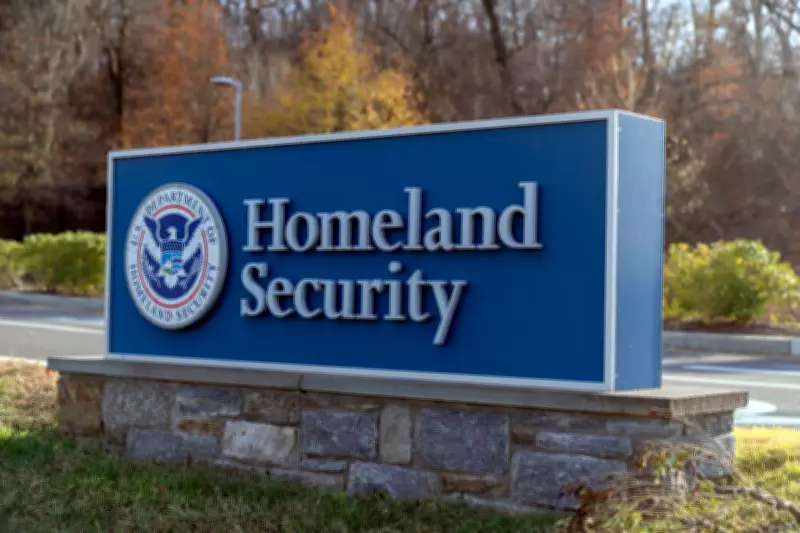
US Homeland Security Shutdown Looms as Immigration Funding Deadlock Continues
A partial shutdown of the United States federal government is anticipated this weekend, with lawmakers remaining deadlocked over new restrictions on President Donald Trump's immigration enforcement agenda. Funding for the Department of Homeland Security is set to expire on Saturday, February 14, 2026, after negotiations between the White House and Democratic leaders failed to produce a deal by the end of the week.
Root Causes of the Funding Impasse
Democrats have stated they will not approve additional funding for Homeland Security unless new limitations are placed on federal immigration operations. This position was reinforced following the fatal shootings of Alex Pretti and Renee Good in Minneapolis last month. Essentially, the shutdown is happening because President Trump acquiesced to Democrats' request that Homeland Security funding be separated from a broader spending package to allow more time for negotiation over demands for changes to immigration enforcement.
These demands include implementing a code of conduct for federal agents and requiring officers to show identification during operations. Homeland Security was temporarily funded only through February 13, while the rest of the federal government is funded through September 30, meaning most federal programs remain unaffected by this latest shutdown.

Agencies and Services Affected by the Shutdown
Unlike the record 43-day shutdown last autumn, the impending closures will be narrowly confined, affecting only agencies under the Department of Homeland Security umbrella. The funding lapse impacts:
- U.S. Immigration and Customs Enforcement (ICE)
- U.S. Customs and Border Protection (CBP)
- The Secret Service
- The Federal Emergency Management Agency (FEMA)
- The Transportation Security Administration (TSA)
Republicans have pointed out that the work of ICE and CBP will mostly continue unabated during the shutdown, despite Democratic demands for changes at those agencies. This is because Trump's tax and spending cut bill passed by Republicans last year provided ICE with approximately $75 billion and CBP with about $65 billion, money those agencies can continue to tap for deportation operations.
Impact on Federal Workers and Critical Services
Depending on how long the shutdown lasts, some federal workers could begin to miss paychecks. It is up to each federal agency to designate which of its employees are "essential" or "excepted," both of which mean the same thing in this context. These employees keep working during a shutdown, typically without getting paid until government funding is restored.
Most of the more than 270,000 people employed by Homeland Security are deemed essential, meaning they stay on the job even during a shutdown. For the fall 2025 shutdown, more than 258,000 DHS employees were in that category, with approximately 22,000—or 5% of the agency's total employee base—being furloughed.
At the Transportation Security Administration, about 95 percent of employees are deemed essential. They will continue to scan passengers and their bags at the nation's commercial airports, but they will work without pay until the funding lapse is resolved. This raises the possibility that workers will begin calling out or taking unscheduled leave.
"Some are just now recovering from the financial impact of the 43-day shutdown," said Ha Nguyen McNeill, a senior official performing the duties of TSA administrator. "Many are still reeling from it."
Potential Consequences for Airport Security and Disaster Response
Services like airport screening could suffer if the shutdown drags on for weeks. Senate Republican Leader John Thune has warned that "there's a very good chance we could see more travel problems" similar to last year's shutdown. As staffing shortages grow, airports may reduce the number of open security lanes or close checkpoints altogether to relieve pressure on an already strained workforce.

During last year's lapse in funding, unpaid TSA workers increasingly called in sick or stayed home as missed paychecks made it harder for workers to cover basic expenses. About a month into that shutdown, TSA closed two checkpoints at Philadelphia International Airport. "The longer the shutdown goes on, the more severe the impact on our TSA workforce," the agency said at the time.
At the Federal Emergency Management Agency, the shutdown will disrupt the agency's ability to reimburse states for disaster relief costs. Some workers will be furloughed, limiting FEMA's ability to coordinate with state and local partners, and training for first responders at the National Disaster and Emergency Management University in Maryland will be disrupted.
The vast majority of employees at the Secret Service and U.S. Coast Guard will continue their work, though they could also miss a paycheck depending upon the shutdown's length. Meanwhile, most federal programs remain unaffected, including food assistance programs, and pay for most federal workers and service members will continue uninterrupted.