People across the United Kingdom have been left utterly perplexed after discovering the historical reason why certain fences feature peculiar, oddly shaped kinks in their railings. While the UK is brimming with visible historical treasures, from statues to memorials, some details remain hidden in plain sight, waiting to reveal their past purposes.
The Mysterious Fences That Sparked Curiosity
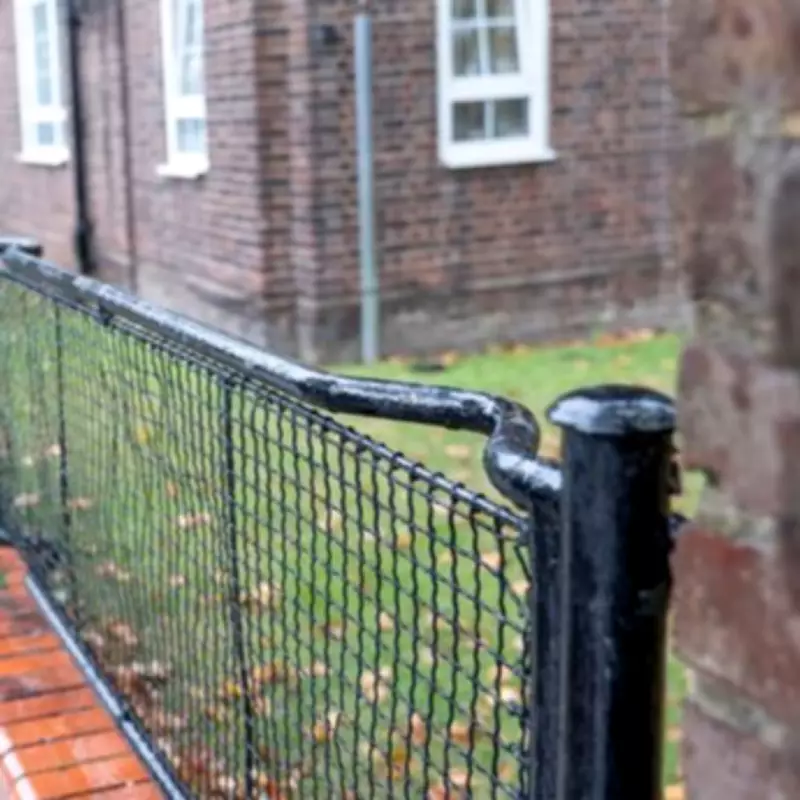
A recent inquiry on Reddit's 'Ask UK' forum brought this enigma to light, as a user questioned why some UK fences are designed with such unusual patterns. The post included a photo of a black metal fence with a woven mesh design and thick top railings that curve into odd-looking kinks. This sparked widespread curiosity among Britons who had previously overlooked these seemingly bizarre architectural features.
The Surprising World War II Connection
Reddit users quickly provided the astonishing explanation: these fences are actually repurposed surplus stretchers from World War II. As one commenter noted, "Surplus WWII stretchers, amazingly," while another added, "They are old medical stretchers from WWII, same with some bollards being old cannons from wars too."

During the Blitz, more than 600,000 stretchers were produced using a simple, single-material design. These stretchers featured kinks on both ends that elevated them from the ground when laid flat, allowing rescue personnel to easily lift injured patients. Made from durable steel, their construction proved ideal for conversion into railings after the war ended.
From Battlefield to Urban Landscape
Originally, these stretchers played a crucial role in life-saving missions, carried by ARP wardens who patrolled blacked-out streets during air raids. These wardens also distributed gas masks, reunited families, and responded immediately to bomb damage. However, as the war concluded, the stretchers became surplus, while many estates had lost their original metal railings to wartime metal drives.
In the 1960s, London Council began creatively using these leftover stretchers as estate railings, transforming wartime medical equipment into functional urban infrastructure. Today, these historical artifacts can still be spotted in numerous London neighborhoods, including Brixton, Peckham, Dulwich, Deptford, Oval, and across East London. Some communities have even formed local preservation groups to protect these unique fences from rust and removal.
A Wider Pattern of Wartime Repurposing
This innovative reuse of wartime materials extends beyond London. Another Reddit user highlighted similar practices elsewhere, noting, "There's a section of fencing in Norwich which is made of repurposed WW2 runway matting." A shared photo revealed fencing with a similar woven metal design, though lacking the distinctive hand railing found on the stretcher conversions.
These oddly shaped fences serve as subtle yet powerful reminders of Britain's wartime history, blending functionality with historical preservation. They demonstrate how communities creatively adapted surplus materials to rebuild and enhance their urban environments, leaving behind tangible connections to a pivotal era that continue to intrigue residents and visitors alike.