Grassroots Mobilisation in Manchester as Hard Right Eyes Gorton and Denton
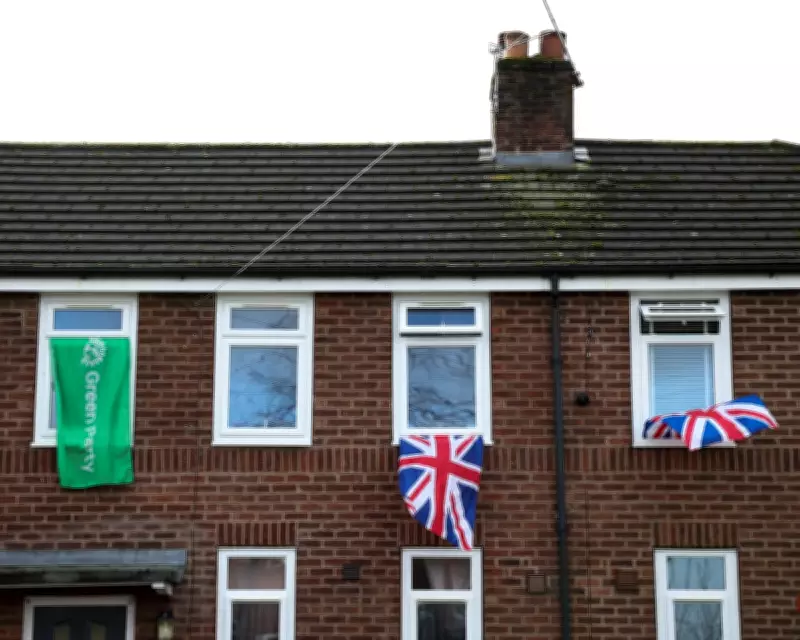
In the Gorton area of Manchester, Green Party and union flags hang prominently in windows, symbolising a local resistance movement. This visual display comes as the hard right sets its sights on the Gorton and Denton parliamentary byelection, with figures like GB News presenter Matt Goodwin running for Reform UK. However, a determined grassroots fightback is emerging to counter divisive rhetoric and empower the community.
Legacy of Racism and Contemporary Fears
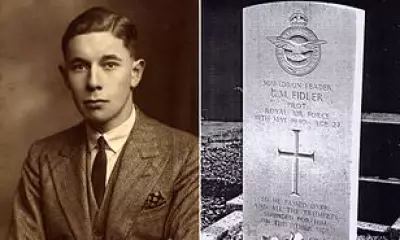
Selina Ullah, whose brother Ahmed Iqbal Ullah was murdered in a racist attack in Burnage in 1986, reflects on the national solidarity that followed his death. "There was revulsion," she recalls, noting how people from diverse backgrounds stood together. Ahmed, a 13-year-old from a British Bengali family, was stabbed after intervening in bullying at his school, an incident a public inquiry deemed a racist murder that became a watershed moment for anti-racism efforts.
Today, Ullah fears this solidarity is weakening as society becomes "desensitised" to Islamophobic, racist, or homophobic comments. "We're not horrified that somebody can say these things any more," she warns, expressing concern that public tolerance for unacceptable rhetoric is shifting dangerously. With this year marking the 40th anniversary of Ahmed's murder, there are apprehensions that decades of progress could be undone.

Political Landscape and Divisive Rhetoric
Gorton and Denton represent metropolitan Britain in microcosm, encompassing the diverse social and ethnic communities that traditionally support Labour. Reform UK aims to fracture this coalition, with Goodwin arguing that UK-born minority ethnic individuals may not be truly British and that Europe faces "civilisational erasure." While the area ranks 291 out of 650 seats in social conservatism, according to Electoral Calculus, the hard right's presence is palpable.
Other parties like Advance UK, whose leader Ben Habib suggested some migrants should be left to drown, and the culturally conservative SDP, which labels mass migration as "colonisation," are also fielding candidates. This political climate has real-world impacts, with residents reporting increased hostility and racism affecting mental health.
Community Impact and Personal Stories
Idowu Morafa, who runs Across Ummah, a community interest company in Gorton and Denton, describes cases of racism, including a woman whose children were chased by a dog due to "all this uproar." As a hijab-wearing driver, she faces more stares and swears from other motorists. "They don't know my story," she says, emphasising resilience.
Raluca Terry-Enescu, a Romanian data analyst with settled UK status, experienced online harassment after challenging pro-Reform posts. Her photos were doctored to falsely show her supporting Reform, a party she fears could negatively impact her life, potentially threatening her citizenship or benefits. "My local community is incredibly supportive," she notes, but worries persist.
Grassroots Resistance and Hope
In response, the grassroots group Local Voices has emerged, organising citizens' assemblies, community training, and election hustings. Beth Powell from Local Voices explains, "We're at a really challenging moment... it feels like the other team sort of started winning a bit." The group aims to build hope and unity, focusing on shared issues rather than divisive language.
Goodwin notably skipped a Local Voices hustings, citing bias concerns, but the event fostered optimism. Dr Charles Leyman Kachitsa, a Malawi-born academic, prefers when racism is overt, as it allows direct confrontation. "The shift towards justice, it's unstoppable," he asserts.
Broader Concerns and Future Outlook
Jeremy Hoad, organiser of Levenshulme Pride, warns that the rise of the right wing creates destabilisation and fear, particularly for trans people and minorities. At a hustings in Levenshulme, described as the "radical heart" of the constituency by Labour candidate Angeliki Stogia, issues like Gaza and trans rights sparked intense reactions.

Amina Lone, a former Labour councillor, understands why some neighbours might vote for Reform, citing disillusionment with Labour over single-sex spaces and Muslim women's rights. "We're not an extreme country," she says, but warns that ignored concerns could lead to destructive outcomes.
At the Ahmed Iqbal Ullah race relations resource centre, head Maya Sharma notes increased boldness from visitors questioning the centre's purpose or denying racism. The library, founded in Ahmed's memory, continues his legacy amid growing challenges. As the byelection approaches, Gorton and Denton stand at a crossroads, with grassroots efforts striving to uphold unity against a tide of division.