

The political landscape surrounding President Donald Trump's aggressive immigration enforcement strategy has developed significant fractures following the controversial killing of Alex Pretti in Minneapolis. What initially appeared as another administration-backed incident has evolved into a substantial political challenge, with even Republican senators expressing public discomfort and demanding investigations.
Administration Narrative Collapses Under Scrutiny
Border Patrol agents shot and killed ICU nurse Alex Pretti in Minneapolis, triggering nationwide outrage just weeks after Immigration and Customs Enforcement officials killed Renee Good. The Trump administration, including Secretary of Homeland Security Kristi Noem, immediately characterized Pretti as a domestic terrorist who allegedly threatened federal agents with a firearm.
However, this official narrative has faced mounting contradictions. Multiple video recordings from the incident conflict with administration claims, and records confirm Pretti was legally licensed to carry his holstered pistol. Senior Customs and Border Protection official Gregory Bovino escalated rhetoric by accusing Pretti of planning to "assassinate" federal agents, despite lacking public evidence to support this dramatic allegation.

Republican Senators Break Ranks
The political dynamics surrounding this incident differ markedly from previous immigration-related controversies. Unlike the earlier Good killing, Republican senators are demonstrating unprecedented willingness to question administration actions. Senator Thom Tillis of North Carolina, who announced his retirement last year, called for a thorough investigation while carefully avoiding direct criticism of President Trump.
"Any administration official who rushes to judgment and tries to shut down an investigation before it begins are doing an incredible disservice to the nation and to President Trump's legacy," Tillis stated, revealing the delicate balancing act Republicans must perform.
Senator Bill Cassidy of Louisiana echoed this call, framing his position as protective rather than critical of immigration enforcement agencies. "The credibility of ICE and DHS are at stake," Cassidy emphasized. "There must be a full joint federal and state investigation. We can trust the American people with the truth."
Political Calculations and Consequences
The Republican response reflects complex political calculations. Cassidy, who voted to convict Trump following January 6th events, has maintained relative silence until Trump endorsed his primary opponent. Senator Dave McCormick of Pennsylvania, married to Trump's former deputy national security adviser, also joined calls for investigation despite his narrow electoral victory in 2024.
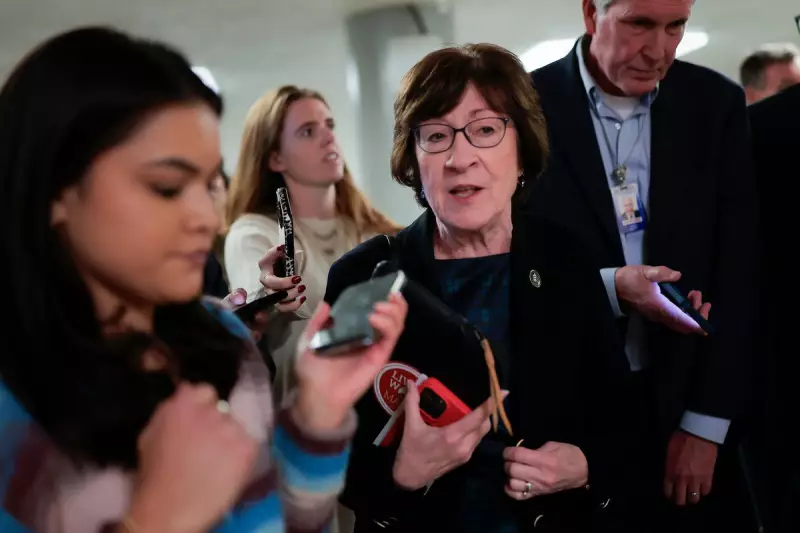
Perhaps most significantly, Senator Susan Collins of Maine demanded scrutiny despite her state receiving increased ICE attention targeting Somali-American communities. This bipartisan pressure emerges as Congress faces crucial spending bill deadlines, including Department of Homeland Security funding that houses both ICE and CBP.
Broader Political Implications
Senate Minority Leader Chuck Schumer announced Democratic refusal to support any spending package containing DHS funding, potentially triggering partial government shutdowns. Republican senators now seek compromise through investigations that might secure necessary funding while addressing public concerns.
Public opinion data reveals growing discomfort with immigration enforcement tactics. Recent polling indicates 58 percent of Americans believe ICE's methods are too forceful, representing a five-point increase this month alone. These numbers create additional pressure on Republicans who previously granted Trump extensive latitude on immigration matters.
The administration's decision to dispatch "border czar" Tom Homan to Minnesota, officially framed as oversight reinforcement, actually signals recognition of deteriorating political conditions. White House denials that this move reflects lost trust in Noem fail to conceal the administration's defensive posture.

Historical Context and Future Challenges
Republicans face the consequences of their previous immigration policy support. Nearly all Republican senators voted for the One Big, Beautiful Bill that increased ICE funding to approximately $75 billion, creating the enforcement infrastructure now generating controversy. This financial backing empowered ICE and CBP operations that critics argue demonstrate excessive impunity.
As political fallout spreads, Republicans must navigate conflicting priorities: maintaining border security initiatives while addressing legitimate concerns about enforcement methods. The Pretti killing has exposed fundamental tensions within Republican ranks that could influence upcoming elections and legislative negotiations.
The administration's aggressive response to criticism, exemplified by Bovino's social media attacks on Cassidy, further complicates Republican efforts to present unified messaging. With midterm elections approaching and immigration remaining a polarizing issue, how Republicans manage this crisis may define their political trajectory for years to come.





