Autocracy's Rise in the West Meets Democratic Resilience in the Global South
In recent years, a troubling trend has emerged across Western nations, where autocratic forces are gaining ground, fueled by economic struggles and political disillusionment. However, a closer examination reveals that this shift is not inevitable, as the Global South demonstrates a robust and enduring commitment to democratic principles, often at great personal risk.
Western Discontent and the Far-Right Surge
Across Europe and the United States, a significant number of individuals, particularly from the ethnic majority working class, are turning to far-right politicians who openly disdain democratic norms. This shift is driven by feelings of neglect amid economic stagnation and growing inequality, with many voters embracing anti-democratic rhetoric that targets elites and scapegoats minorities. Despite offering little practical economic relief, these movements attract support through their attacks on established power structures.
To counter this alienation, pro-democracy parties must prioritize genuine engagement with these voters, addressing their concerns through policies that reject unchecked globalization, improve social services, and tackle affordability issues. This requires a rhetorical shift away from narrow identity politics toward inclusive appeals and a willingness to challenge wealthy interests that benefit from the status quo.

Global South's Democratic Uprisings
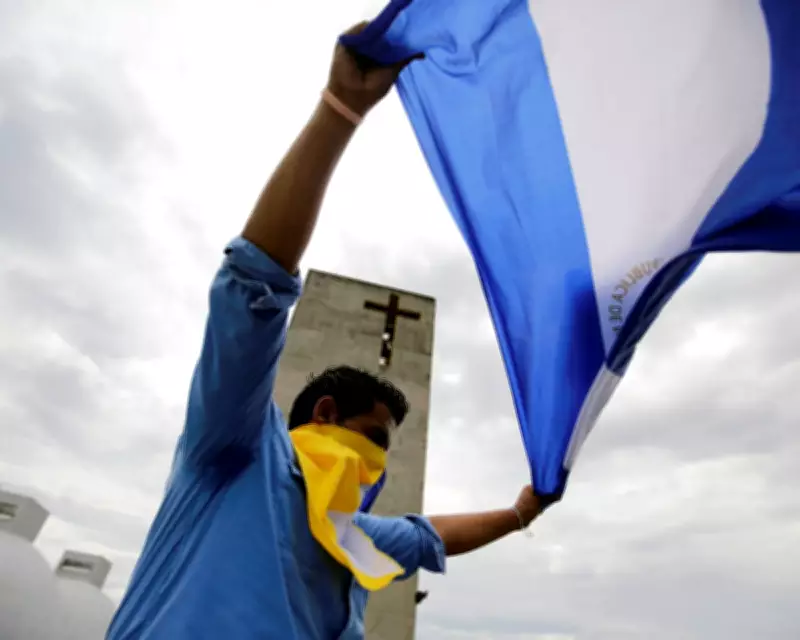
In stark contrast, the Global South showcases a widespread popular embrace of democracy, with large-scale protests erupting in countries like Hong Kong, Nicaragua, Russia, and Uganda. These movements, often facing severe repression, have achieved notable successes, such as ousting autocratic leaders in Bangladesh, Sri Lanka, Brazil, and Poland, or thwarting self-coup attempts in South Korea.
However, autocratic regimes in Iran, Russia, Belarus, Cuba, and elsewhere have brutally suppressed pro-democracy efforts, relying on repression to maintain control. This reliance on force leaves leaders vulnerable, as seen in Syria, where Bashar al-Assad faced little resistance when rebels entered Damascus, or in Russia, where Vladimir Putin fears color revolutions, leading to interventions like the 2014 invasion of Ukraine.
Autocratic Strategies and Their Limits
Some autocrats, such as Hungary's Viktor Orbán, attempt to maintain power through manipulated elections, controlling media and civil society to tilt the playing field. Yet, this approach is risky, as pro-democracy forces can still prevail, as evidenced in Belarus in 2020. When repression becomes the primary tool, as in Turkey under Recep Tayyip Erdoğan or Russia with the persecution of Alexei Navalny, elections lose legitimacy, becoming mere charades.
Autocracy remains unpopular because unaccountable governments often prioritize self-enrichment over public welfare. Examples include Orbán's misuse of EU funds for stadiums while hospitals decay, or Egypt's Abdel Fattah el-Sisi investing in vanity projects as citizens struggle with basic needs like bread.
China's Autocratic Model and Democratic Alternatives
China, often cited as an autocratic success story, has lifted millions from poverty but faces economic challenges rooted in its dictatorship, such as demographic issues from the one-child policy and a debt-ridden real estate sector. Compared to democratic neighbors like Taiwan, South Korea, and Japan, China struggles to escape the middle-income trap, highlighting the limitations of autocratic rule. The 2019-2020 Hong Kong protests against CCP dictatorship further underscore this point.
While Singapore offers a rare example of a less corrupt autocracy, its small city-state model provides limited lessons for larger nations. Ultimately, most people would prefer to live under democratic systems, despite their flaws, due to the accountability and freedoms they offer.

Conclusion: The Enduring Appeal of Democracy
Western democracies are indeed facing a challenging period, requiring efforts to reinforce legitimacy by serving all societal members. Yet, despair is unwarranted, as the Global South illustrates a global desire for governments that are accountable, influenced by free media, civil society, competitive parties, and peaceful protests. In short, the aspiration for democracy remains strong worldwide, offering hope for its defenders.