French Far-Right Launches Assault on Arts and Culture
In a bold move that signals a profound shift in cultural policy, Marine Le Pen's far-right National Rally (RN) has begun outlining plans to dismantle key pillars of France's vibrant arts scene. The party's proposals, championed by vice-president Sébastien Chenu, aim to replace state-supported creativity with a market-driven, retrograde vision glorifying the nation's past.
Box-Office Logic and the Attack on Cinema
Chenu has controversially argued that film quality should be judged by audience numbers, advocating for the elimination of France's National Cinema Centre (CNC). This public body provides €850 million in annual subsidies, roughly €12.50 per citizen, sustaining one of the world's most dynamic independent film industries. The RN's stance suggests a preference for commercial blockbusters over artistic depth, threatening the very essence of French cinema.
Beyond Film: A Broad Cultural Offensive
The party's ambitions extend far beyond the silver screen. Proposals include cutting funding for artisanal bakeries, scrapping French music quotas on radio, and defunding Institut Français centres that promote the language globally. While these subsidies are modest, their impact is outsized, protecting French culture from homogenisation by American influences.
Chenu clarifies that this is not about savings but a culture war against perceived "wokisme" and leftist bias in public media. The RN plans to privatise France's public broadcasters, potentially handing control to billionaire Vincent Bolloré, mirroring Rupert Murdoch's media empire and skewing journalism and pop culture rightward.
Heritage Over Innovation: A Static Vision
In place of contemporary arts, the RN emphasises protecting France's "patrimoine"—chateaux, monuments, and medieval theme parks like Puy du Fou. While heritage preservation is vital, as shown by the Louvre's recent struggles, this approach risks freezing culture in amber, denigrating the present in favour of a mythologised past.
Past RN actions reveal a pattern: targeting contemporary art, modern dance, and even an avant-garde music festival mistaken for a transgender showcase. This ideological reshaping aims to turn culture into a vehicle for nationalist narratives, undermining the very diversity that has historically enriched French art.
Historical Parallels and Authoritarian Tendencies
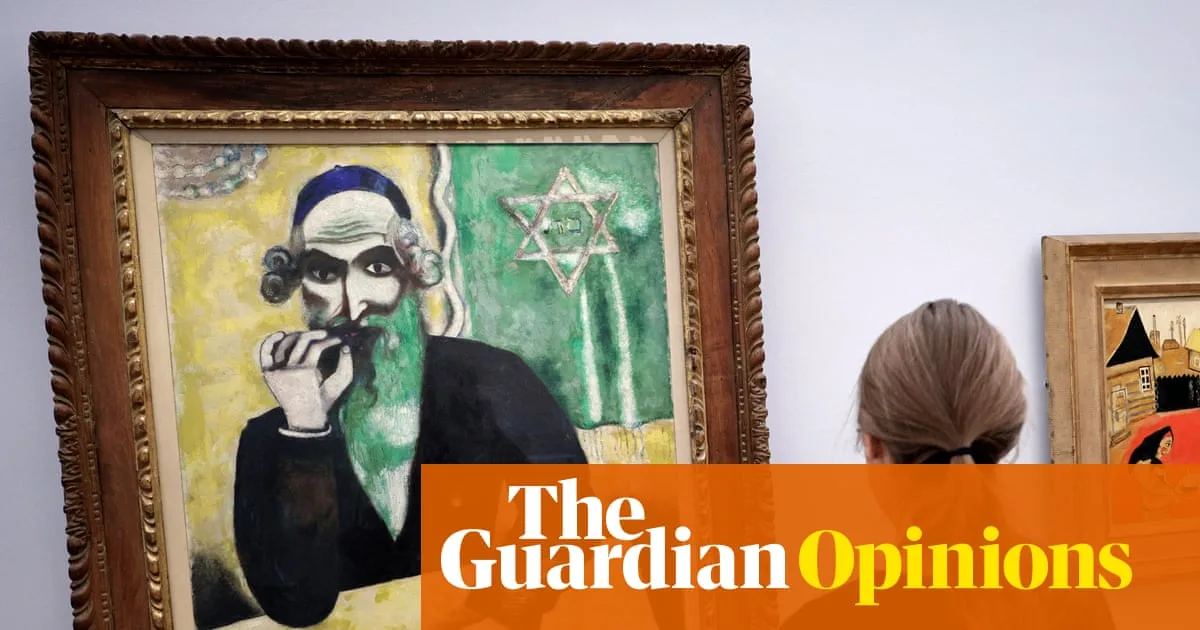
History offers stark warnings. Figures like Pablo Picasso and Edouard Manet faced censorship in their time, while Luis Buñuel's films were banned by far-right activists. The Nazis' 1937 "degenerate art" exhibition, which included works by Chagall and Van Gogh, exemplifies how authoritarians co-opt culture to suppress dissent.
If the RN gains power, it could deal a savage blow to France's performers, painters, and museums. Yet, art that endures often unsettles power. The works targeted by far-right censorship may one day be venerated, while the politicians who opposed them fade into disdain.
As France stands at a cultural crossroads, the RN's plans threaten not just funding but the soul of a nation that has long radiated art globally. The battle for France's creative future is now underway, with profound implications for its identity and soft power.