
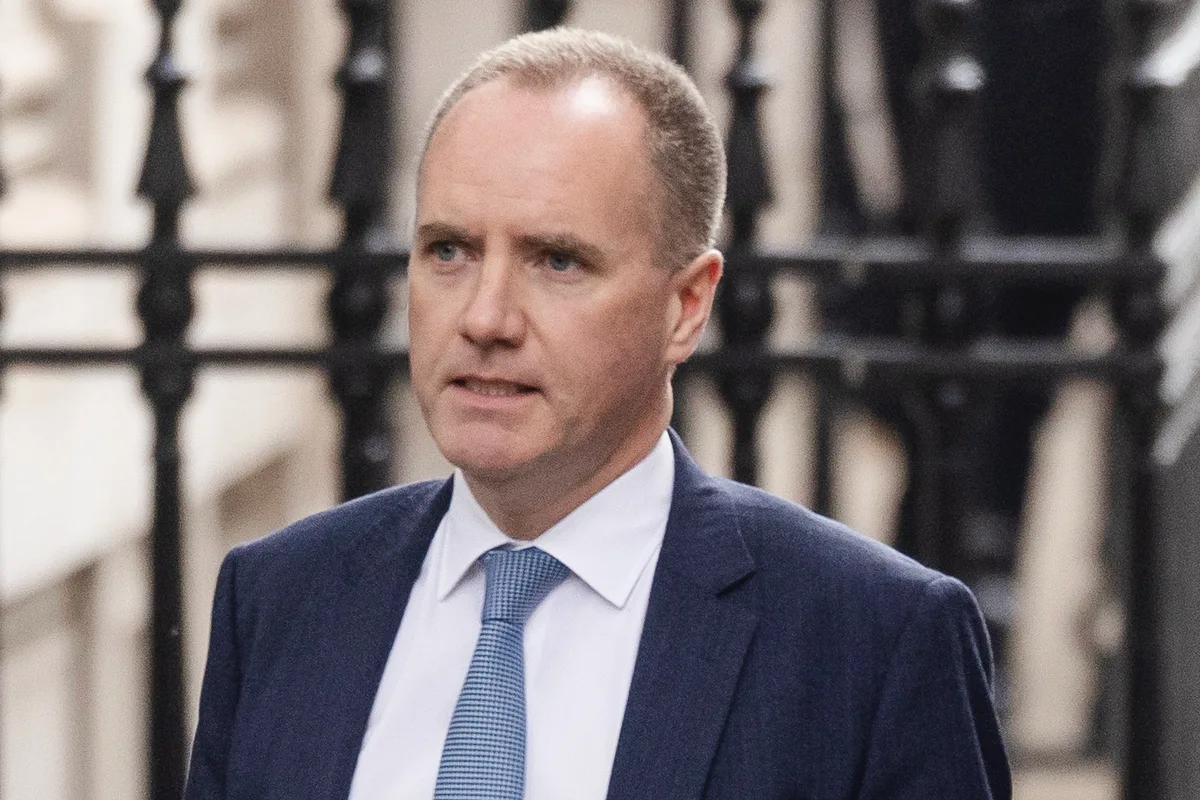
Richard Hughes, the chair of the Office for Budget Responsibility (OBR), has resigned following a damning report that described the early release of Budget documents as the worst failure in the watchdog's 15-year history. The investigation found that the error, which saw official analysis documents appear online nearly an hour before the chancellor's speech, was not the first such incident; a similar breach occurred during the spring statement in March.
The report placed 'ultimate responsibility' for the leak on the OBR's leadership, urging 'immediate steps to change completely' how sensitive forecasts are published. It also noted that the Treasury and Cabinet Office should have addressed the OBR's 'significantly underpowered' operation, either by altering publication methods or increasing resources.
In his resignation letter to the chancellor and the chair of the Commons Treasury committee, Mr Hughes said he took 'full responsibility' for the shortcomings identified and hoped his departure would allow the OBR to 'quickly move on from this regrettable incident'. Chancellor Rachel Reeves thanked Mr Hughes for his 'many years of public service', while emphasising the government's commitment to the OBR's independence.
The leak occurred when the economic and fiscal outlook (EFO) document was inadvertently made accessible via the OBR's WordPress site. An investigation by Professor Ciaran Martin, former head of the National Cyber Security Centre, found that two errors—a predictable web address pattern and a download monitor plug-in that bypassed authentication—enabled early access. The probe also revealed that the March forecast had been accessed prematurely, though it concluded the most likely explanation was benign.
Treasury minister James Murray expressed 'very concerned' that market-sensitive information may have been prematurely accessible on multiple occasions, potentially affecting market behaviour. He confirmed that the first IP address to access the EFO made 32 attempts starting at around 5am on Budget day. Meanwhile, Conservative leader Kemi Badenoch accused the chancellor of using Mr Hughes as a 'human shield' and called for Rachel Reeves to resign.




