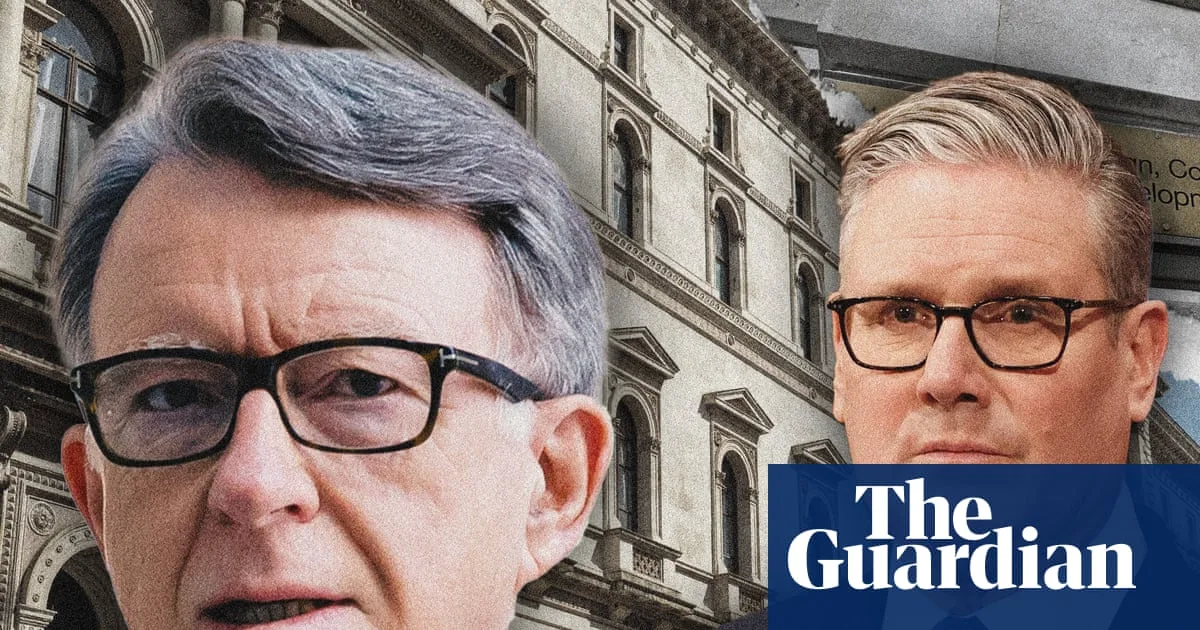
Top Foreign Office Civil Servant Forced Out Over Mandelson Vetting Scandal
Foreign Office Chief Ousted in Mandelson Vetting Controversy

Senior Civil Servant Dismissed Following Mandelson Appointment Furore

Olly Robbins has been compelled to step down from his role as the most senior civil servant at the Foreign, Commonwealth and Development Office. This dramatic exit follows intense scrutiny over the security vetting process for Peter Mandelson, who was appointed as ambassador to the United States despite failing initial clearance checks.

Parliamentary Grilling Reveals Tensions and Evasions

The controversy erupted during a foreign affairs select committee hearing on 3 November 2025, where MPs questioned Sir Chris Wormald, then cabinet secretary, and Sir Olly Robbins about the due diligence conducted for Mandelson's role. Mandelson had been removed from his post two months earlier after emails linked to Jeffrey Epstein were disclosed.

Fleur Anderson, the MP for Putney, pressed the officials on the vetting procedures, asking specifically about the final report and who received it. Wormald indicated that Robbins, as the employing line manager, would have been the recipient, responsible for deciding on security clearance and any necessary mitigations.

Wide Pickt banner — collaborative shopping lists app for Telegram, phone mockup with grocery list

When Anderson inquired whether Wormald himself was informed of the security services' findings, Robbins abruptly interjected, redirecting the discussion to general practices rather than addressing the core issue. The committee ultimately failed to uncover what Wormald knew, and he was later removed from his position in February of this year.

Political Fallout and Claims of Ignorance

Prime Minister Keir Starmer has vehemently asserted that ministers were kept in the dark about Mandelson's failed vetting. In a statement, Starmer expressed fury, stating it was "unforgivable" that he and other ministers were not informed while assuring parliament that due process had been followed.

However, insiders familiar with Downing Street operations find it difficult to believe that Robbins acted without seeking some form of cover or approval. One source noted that such appointments are typically handled with extreme caution, raising questions about whether higher-ups were truly unaware.

Defence and Criticism from Colleagues

Friends of Robbins have defended his actions, arguing that as permanent secretary, he was the final arbiter in the vetting process. They claim he did not overrule the United Kingdom Security Vetting service but rather made a judgment based on the totality of evidence, including advice from security services and the prime minister's clear desire to see Mandelson appointed.

Some civil servants, even those critical of Robbins' demeanor, sympathise with his predicament. One colleague remarked that Robbins was placed in an impossible situation, having to decide whether to block a high-profile appointment shortly after taking office. Others suggest politicians may have deliberately turned a blind eye to the risks associated with Mandelson's fast-tracked vetting.

Official Responses and Ongoing Investigations

Darren Jones MP, the chief secretary to the prime minister, has expressed astonishment that a permanent secretary could override vetting conclusions without ministerial knowledge. Yet, correspondence from September reveals that Foreign Secretary Yvette Cooper, in a joint letter with Robbins, declined to comment on specific details, citing confidentiality and the independence of the vetting process from ministerial oversight.

This response implies that Cooper accepted Robbins' authority in the matter, distancing No 10 from any decision-making. Meanwhile, Starmer continues to face pressure as he defends his government's handling of the affair, with critics alleging this scandal highlights deeper issues within the civil service and political accountability.

As the fallout intensifies, Robbins' supporters argue he has been unfairly scapegoated, describing his treatment as "appalling" and attributing it to political manoeuvring in a turbulent climate. The episode underscores ongoing tensions between civil service independence and ministerial responsibility in matters of national security.

Pickt after-article banner — collaborative shopping lists app with family illustration