Trump Rejects Claims of Israeli Persuasion in Iran Conflict, Points to Oct. 7 and Nuclear Fears
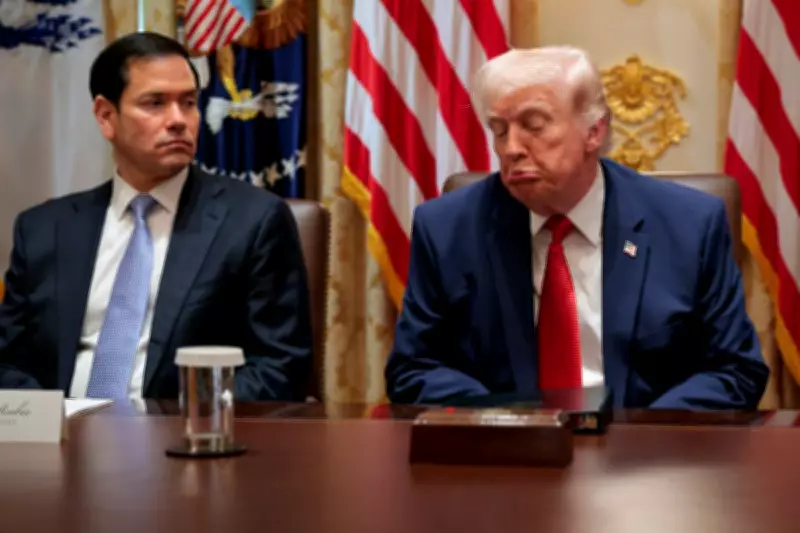
President Donald Trump has launched a fierce rebuttal against accusations that the Israeli government influenced his decision to initiate the ongoing war with Iran, a conflict that has now persisted for nearly two months. In a post on Truth Social on Monday, Trump vehemently denied that Israel "never talked me into war with Iran," instead attributing the military action to the results of Oct. 7th and his longstanding conviction that Iran must never obtain nuclear weapons.
Contradiction with Secretary of State Rubio's Account
Trump's statement directly conflicts with earlier remarks made by Secretary of State Marco Rubio, who also serves as the president's national security adviser. In early March, during the initial phase of the war, Rubio informed reporters at the Capitol that Trump ordered preemptive air strikes on Iran after learning of an imminent Israeli attack. Rubio explained that U.S. officials anticipated such an attack would provoke Iranian retaliation against American military personnel stationed in the Middle East, necessitating a swift U.S. response to mitigate risks.
"It was abundantly clear that if Iran came under attack by anyone – the United States or Israel or anyone – they were going to respond, and respond against the United States," Rubio stated during a brief press availability. This account suggests Trump was compelled into action to preempt broader hostilities, a narrative now disputed by the president himself.

Global and Economic Ramifications of the Conflict
The war has significantly disrupted global stability, with key consequences including:
- Roiled global markets due to heightened geopolitical tensions.
- Soaring energy prices exacerbated by an ongoing Iranian blockade of the Strait of Hormuz, a critical chokepoint for oil shipments.
- Increased volatility in international trade and security arrangements.
Trump's emphasis on Oct. 7th—a reference likely to a prior event or intelligence assessment—and his adamant stance on preventing a nuclear-armed Iran underscore the complex motivations behind the military engagement. As the conflict continues, these contradictory explanations from top administration officials fuel debates over the war's origins and strategic objectives, with implications for U.S. foreign policy and Middle East diplomacy.