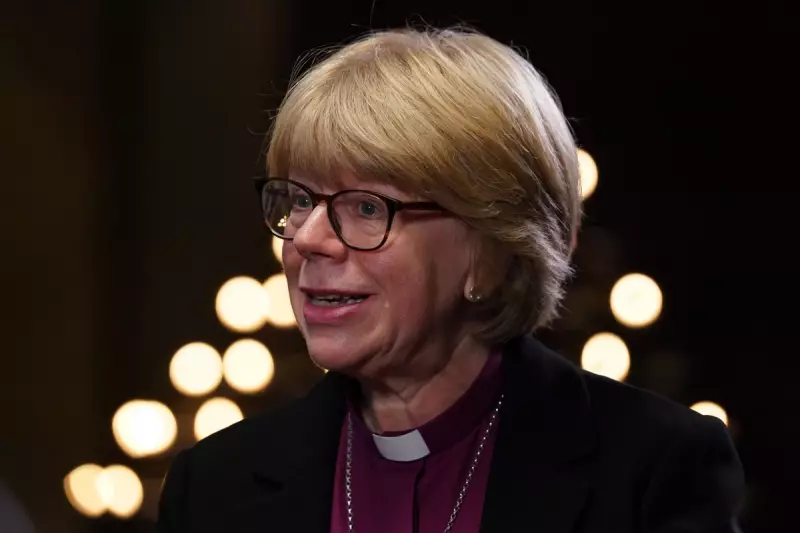
In a landmark decision for the Church of England, Dame Sarah Mullally is poised to be confirmed as the 106th Archbishop of Canterbury, shattering centuries of tradition by becoming the first woman to hold the highest clerical position in the Anglican Communion. This historic appointment marks a significant shift in the leadership of one of the nation's most prominent religious institutions.
A Groundbreaking Confirmation at St Paul's Cathedral
Dame Sarah will legally assume her duties during a formal confirmation service scheduled to take place at St Paul's Cathedral on Wednesday. This pivotal ceremony will precede her official enthronement, which is planned for March at Canterbury Cathedral, the historic seat of the Archbishop. The transition follows the resignation of Justin Welby, who stepped down amid ongoing safeguarding concerns within the Church.
From Nursing Leadership to Spiritual Guidance
Bringing a diverse background to the role, Dame Sarah has served nearly a decade as the Bishop of London, and prior to that, she held the position of England's chief nursing officer. In her initial statements, she expressed gratitude to "all women that have gone before me", acknowledging the trailblazers who paved the way for this momentous achievement.

She has pledged to lead the Church with a focus on "calmness, consistency and compassion", outlining key priorities that include addressing safeguarding failures, amplifying overlooked voices, and fostering an environment of kindness and safety. This is particularly aimed at supporting vulnerable individuals and survivors of abuse, areas where the Church has faced criticism in recent years.
Overcoming Challenges and Looking Ahead
Notably, a recent complaint regarding Dame Sarah's handling of an abuse allegation was dismissed, clearing the path for her confirmation. As she prepares to take on this historic role, her appointment is seen as a potential catalyst for renewal and reform within the Church of England, balancing deep-rooted traditions with modern progressive values.
The wider Anglican Communion and observers across the UK are closely watching this development, as it sets a precedent for gender equality in religious leadership. Dame Sarah's journey from healthcare to high clergy underscores a unique perspective that may influence both pastoral care and institutional governance in the years to come.