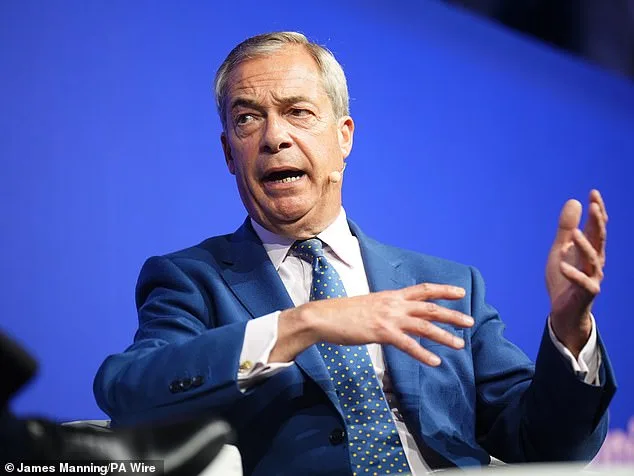
Nigel Farage has declared his intention to wage a 'war' on Britain's benefits culture, warning that his party is prepared to face down protests, strikes, and even riots to reduce the nation's welfare expenditure. In an exclusive interview with the Daily Mail, the Reform UK leader outlined a radical overhaul of the welfare system, which he described as essential to making it affordable and addressing growing resentment among working people.
Farage's Vision for Welfare Reform
Mr Farage emphasised the need for a 'massive change of thought' regarding the benefits system, arguing that Britain must become a 'much tougher society'. He stated, 'Attitudes are going to have to harden. There's a massive, massive change of thought needed on benefits – that's going to be the biggest war of them all.' He specifically targeted disability benefits, asserting that 'mild anxiety is not a reason to be on disability benefit – it just isn't. We can't afford it, it can't continue.'
The Reform UK leader acknowledged the potential for social unrest, saying, 'There'll be riots, and there'll be strikes and there'll be protests, and we know all of that, but that's what we're going to have to do – it has to be done. We just can't afford it now.'
Key Policy Proposals
In the wide-ranging interview, Mr Farage also:
- Pledged to introduce a radical cheap energy policy, including approving fracking and abandoning Ed Miliband's 'idiotic' Net Zero targets.
- Warned the European Union that he would scrap any Brexit reset deal agreed by Sir Keir Starmer.
- Distanced himself from Donald Trump's Iran conflict, expressing concern about the judgment of his long-time friend.
- Played down the prospect of an election deal with the Conservatives, stating they 'don't deserve to survive'.
- Suggested his party would be boosted by an army of 'shy Reformers' who have not yet publicly declared their intention to abandon Labour and the Conservatives.
Welfare Savings and Future Plans
Reform UK has already proposed measures to save over £20 billion from the welfare bill, including ending the right of foreign nationals to claim benefits in the UK. The party is reportedly drawing up more extensive plans, to be published after the local elections, which would cut tens of billions of pounds in benefits and require millions of inactive people to seek employment.
Mr Farage claimed that Reform UK is now the 'party of working people', highlighting a growing divide in British society between those who work and those who do not. He recounted a conversation with a constituent in Clacton who expressed frustration at working seven days a week while neighbours on benefits enjoyed a similar lifestyle. The Reform leader said, 'He actually summed up how huge numbers of people feel. And yes, on the economy, we can incentivise those in business, but we equally can't go on paying an ever bigger (welfare) bill. Socially, this will be the biggest battle that we face.'
Attitudinal Change and Economic Strategy
Mr Farage also pledged to lead a debate to change attitudes towards success, accusing Chancellor Rachel Reeves of overseeing 'an assault on private enterprise, an assault on business and, even worse, an assault on savings'. He argued that the economic turnaround needed is not only fundamental but also attitudinal, focusing on work, success, and risk-taking. 'We've got a country now where it's almost like if you poll public opinion, they want to punish anybody that's done well. Well, actually, we have to fight back against that. And that's where political leadership comes in, and not political followership. I've never, ever been afraid of that.'
Welfare Bill Projections
Britain's overall welfare bill is forecast to exceed £400 billion a year by the end of the decade, a staggering £70 billion increase on current figures. The bill for sickness benefits alone is projected to rise from £83 billion last year to £109 billion by the end of the decade, a real-terms increase of over 30 per cent.
Earlier this month, Mr Farage committed to maintaining the pensions triple lock, funded by 'the biggest cuts to the benefits bill ever seen in the history of this country'. He also reversed his previous stance on the two-child benefit cap, now opposing Labour's decision to remove it, which would cost £3 billion.
Reform claims that blocking foreign nationals, including EU citizens, from claiming benefits could save £9 billion a year, though experts dispute this figure. The party also plans to end Personal Independence Payments (PIP) for hundreds of thousands of people with mild mental health issues, potentially saving another £9 billion in the long term.