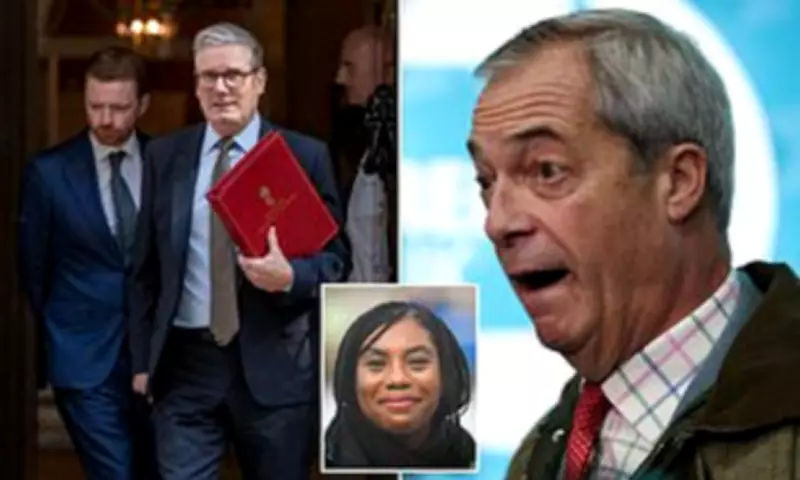
Nigel Farage is set to mobilise the Reform UK party today, preparing it for a potential snap general election should Labour's escalating internal chaos trigger an early political contest. In a speech scheduled for this afternoon, Mr Farage will detail his strategy for assembling a frontbench team, instructing party members to be prepared for a possible electoral battle by the end of this year.
Building a Frontbench with Diverse Talent
While numerous positions are anticipated to be filled by former Conservative figures such as Robert Jenrick and Suella Braverman, reports from the Telegraph indicate that Mr Farage also plans to announce several roles for individuals from outside the traditional political sphere. This move aims to bring fresh perspectives into Reform's leadership structure.
Although the next general election is not officially due until 2029, and significant hurdles remain for an earlier vote, Mr Farage will emphasise that Reform is initiating a recruitment campaign for prospective parliamentary candidates. This proactive approach underscores the party's ambition to capitalise on any electoral opportunity.
Labour's Deepening Crisis Over Mandelson Appointment
The urgency of Reform's preparations coincides with Labour's intensifying turmoil, primarily centred on the controversial appointment of former minister Peter Mandelson as US ambassador. Revelations about Lord Mandelson's associations with convicted paedophile Jeffrey Epstein have sparked fierce internal dissent, leading to the resignation of Sir Keir Starmer's chief of staff, Morgan McSweeney.
Prime Minister Keir Starmer is currently sequestered in Downing Street, grappling with the fallout from this scandal. He faces mounting pressure from Labour MPs to demonstrate a clear understanding of the crisis and a willingness to shift leftward during a highly charged meeting of the Parliamentary Labour Party this evening.
Speculation Over Starmer's Leadership
There is growing speculation that Sir Keir might consider stepping down, exacerbated by a conspicuous silence from senior Cabinet ministers. Meanwhile, Conservative leader Kemi Badenoch has criticised Sir Keir, accusing him of allowing Mr McSweeney to "carry the can" for a decision that ultimately rested with the Prime Minister.
Ms Badenoch remarked on BBC Radio 4's Today programme, "Claiming 'I was badly advised' is not a good excuse for a leader. Advisers advise, leaders decide. He made a bad decision, he should take responsibility for that." She added, "Peter Mandelson had been sacked twice for unethical behaviour. Keir Starmer promised a Government that would be whiter than white. His position now is untenable."
Farage's Strategic Vision and Electoral Predictions
In his upcoming address, Mr Farage is expected to argue that Labour's "instability" could precipitate a general election within the next year, a stark contrast to his recent admission in a BBC documentary that Reform was only "half-ready" for such an event. He will announce plans to assemble a team focused on developing an industrial strategy to rebuild national infrastructure and security, which he claims has been eroded by both Conservative and Labour administrations.
Mr Farage is actively seeking the "brightest and best" candidates to represent Reform whenever the next election occurs. Earlier, he expressed his views on social media, stating, "Labour are just continuing the chaos we saw under the Tories. My money says Starmer won't be far behind after Labour's disaster in the elections this coming May."
Upcoming Electoral Challenges for Labour
Labour confronts two critical political tests in the near future: the Gorton and Denton by-election later this month and the local and devolved assembly elections in May. Sir Keir risks losing a seat in Greater Manchester that Labour secured by 13,000 votes in 2024, and the party may face significant defeats in Scotland, Wales, and English council contests.
This precarious position for Labour amplifies the significance of Mr Farage's preparations, as Reform UK positions itself to exploit any electoral vulnerabilities. The convergence of Labour's internal strife and Reform's strategic mobilisation sets the stage for a potentially volatile political landscape in the coming months.