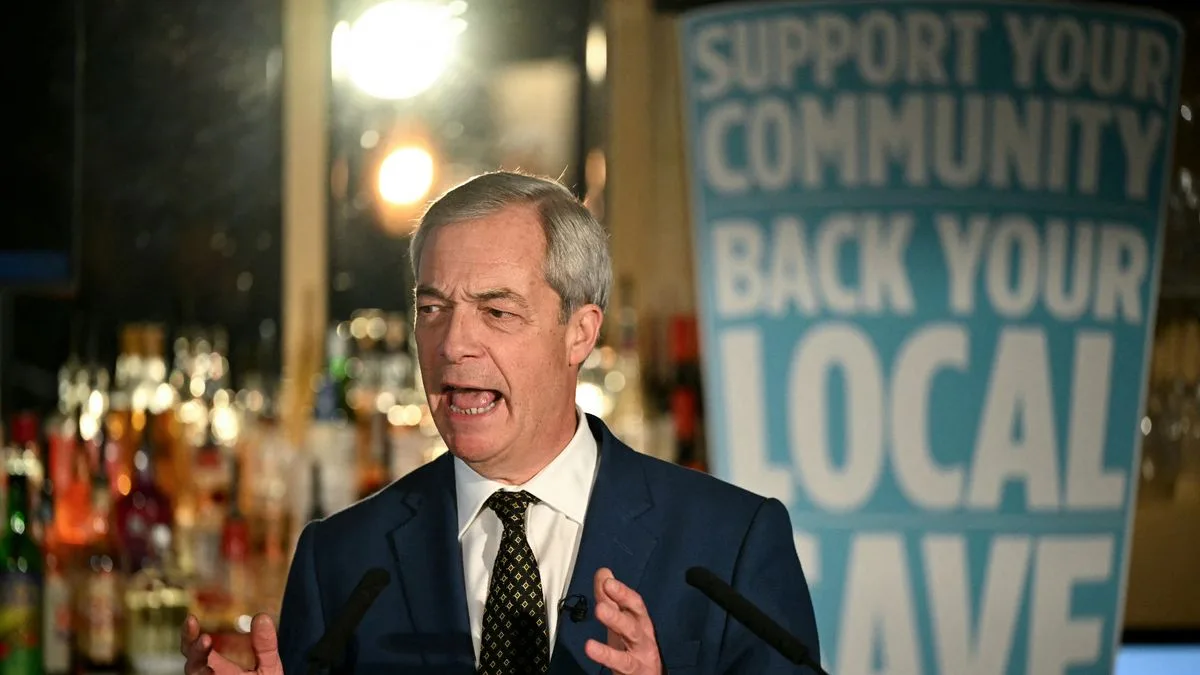
Farage's Pub Support Package Faces Expert Criticism Over Funding Claims
Nigel Farage's proposed £3 billion support package for Britain's struggling pub industry has been met with significant scepticism from economic experts, who have raised serious concerns about its financial viability and social implications. The Reform UK leader announced the comprehensive plan this week, positioning it as a crucial lifeline for a sector he described as being on the brink of collapse.
The Proposed Package and Its Funding Mechanism
The centrepiece of Reform UK's hospitality sector proposal involves a substantial reduction in VAT, cutting the current rate from 20% to 10% for the industry. This measure alone, according to the party's calculations, would save pubs approximately £1.7 billion annually while potentially boosting consumer demand through lower prices. Additional elements of the package include:
- Scrapping the recent increase in employer national insurance contributions specifically for hospitality businesses
- Implementing a 10% reduction in beer duty to alleviate pressure on brewers and publicans
- Abolishing business rates entirely for all pubs across the country
Mr Farage stated emphatically: "What is happening to our pubs, what is happening to our hospitality sector, is little short of a disaster. They're on the edge of falling off a cliff. It's very, very serious." The Reform leader claimed this substantial support would be fully funded by reinstating the two-child limit on Universal Credit, which he estimated would save approximately £3 billion by the 2029/30 financial year.
Expert Analysis Reveals Significant Financial Discrepancies
The Institute for Public Policy Research (IPPR) has conducted a detailed analysis of the proposals, concluding that Reform UK has substantially underestimated the financial impact of their VAT reduction plan. According to government statistics, net VAT receipts from the hospitality sector reached £11.7 billion in the previous year. Based on these figures, the IPPR calculates that halving the VAT rate would actually cost the Treasury around £5.6 billion annually - nearly double Reform's estimated saving from reinstating the two-child benefit cap.
Professor Ashwin Kumar, Director of Research and Policy at IPPR and former advisor to Gordon Brown, offered a stark assessment: "The government was right to scrap the two-child limit, a policy which would have trapped half a million children in poverty by the end of the decade. Hospitality needs help, but this shouldn't be paid for off the backs of some of the poorest in society who need this support so their children can thrive."
Broader Political Context and Alternative Approaches
This controversy emerges against a backdrop of significant challenges facing Britain's pub industry, with more than 2,000 establishments having closed since the turn of the millennium. The sector continues to grapple with changing consumer habits, rising operational costs, and increasing competition from alternative leisure options.
Meanwhile, the Labour Party has proposed its own package of measures aimed at supporting pubs, including reducing a threatened 15% hike in business rates scheduled for April and implementing a two-year freeze on these charges. However, industry critics argue that even these measures may prove insufficient given the substantial surge in other operational costs and the ongoing impact of inflationary pressures on consumer spending.
Professor Kumar concluded with a warning about the fiscal implications of Reform UK's proposals: "This is also not a fiscally neutral plan as is claimed. The costs of halving VAT alone would be much more than the claimed £3 billion saving from reinstating the two-child limit. In reality, this is an unfunded tax cut which someone will have to pay for." This analysis suggests that, rather than providing sustainable support for pubs, the plan might simply shift financial burdens while creating significant social welfare consequences.