Former Nurse Criticises Fiona Bruce's Question Time Hosting Style
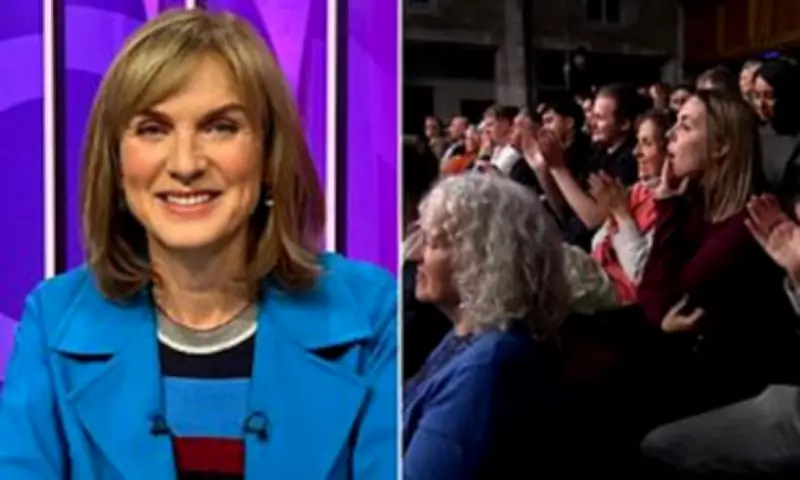
A former nurse who attended the BBC's Question Time studio audience a decade ago has launched a scathing critique of current host Fiona Bruce's presenting skills, describing her as overly interruptive and biased. Andy Brown, 62, who requires crutches or a wheelchair for mobility, participated in the audience back in 2014 when David Dimbleby still chaired the popular political debate programme.
Accessibility Concerns During Studio Visit
Recounting his experience from 2014, Andy revealed that a production staff member removed his crutches because he was seated in the front row, despite his mobility requirements. Although he was informed he could gesture to have them returned, Andy expressed concerns that this arrangement would have placed him in a perilous situation during any emergency evacuation scenario.
Thankfully, Andy reported having a positive interaction with then-host David Dimbleby, whom he praised for taking time to personally greet audience members before the recording. "David was very charming. In fact, I rather liked David as the chair of the show," Andy told The Express. "I'm not very keen now on Fiona Bruce, because I think that she interrupts the panel far too much."

Professional Perspective on Hosting Standards
Drawing from his professional background as a former nurse who frequently chaired meetings during his career, Andy explained why he believes he possesses insight into what constitutes effective Question Time hosting. "The role of the chair is obviously to remain, I mean, you have your own ideas, but to remain impartial, or at least try and to be unbiased," he stated.
"But I think Fiona interrupts far too much. And I think she comes across to me as she's rather biased, depending on which guests are there, and she doesn't let them speak," Andy continued, while emphasising that these observations represented his personal opinion rather than objective fact.
Discrimination Concerns and BBC Response
Although Andy fortunately didn't require his crutches during the actual Question Time recording, he departed the studio with concerns that programme staff had demonstrated discriminatory attitudes toward his accessibility needs. In response to these allegations, a BBC spokesperson stated: "We are sorry that Mr Brown did not have a good experience on Question Time in the past and we have offered to contact him directly to discuss this further. We want to make everyone welcome in the Question Time audience, and if an audience member has accessibility requirements, we will make the necessary adjustments to ensure they are able to attend."
Question Time's Evolving Presentation
David Dimbleby served as Question Time's presenter from 1994 until 2018, when Fiona Bruce assumed hosting duties following his departure. When announcing his exit after more than two decades, Dimbleby explained he felt it was the "right time" to return to his "first love: reporting."
Recent Audience Experiences Reveal Production Practices
Andy's critique emerges alongside revelations from another recent Question Time audience member who disclosed the programme's behind-the-scenes procedures. During a 2024 recording at The Hammond School in Chester, designer Andy Clarke documented his experience via his blog Stuff and Nonsense, revealing several production aspects:
- Presenter Fiona Bruce personally addressed audience members before recording, sharing stories and encouraging participation
- Audience members were warned they wouldn't be able to leave the set once recording commenced
- The BBC employs specific selection criteria for audience questions, prioritising topics based on frequency of submission and recent coverage
- Typically six questions are chosen, with one reserved for an unfilmed warm-up segment
Despite wearing distinctive attire and attempting to contribute, Clarke reported that Bruce didn't select him to speak during the recording. These insights into Question Time's production methods coincide with ongoing discussions about the programme's audience composition and editorial approach, following recent complaints from Reform UK about alleged bias in audience selection.