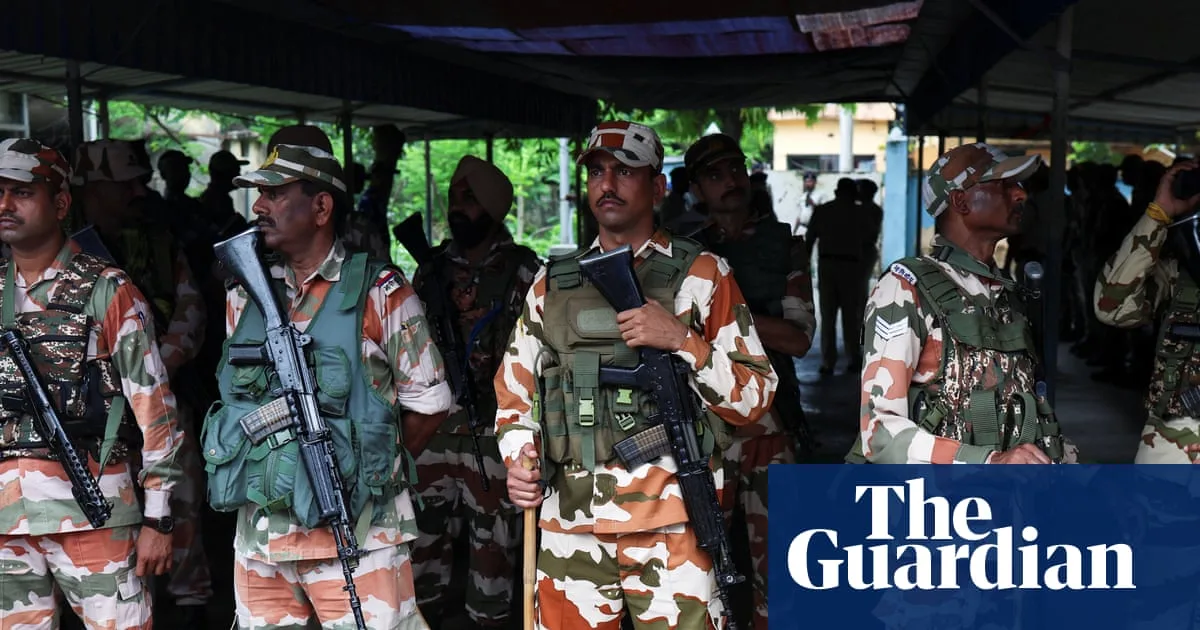
Violence has erupted in the Indian state of West Bengal following the state legislative election, with a top aide from Prime Minister Narendra Modi's Bharatiya Janata Party (BJP) shot dead and hundreds arrested. The BJP claimed victory on Monday, defeating the Trinamool Congress (TMC), which had governed for 15 years.
Chandranath Rath, an assistant to the BJP's West Bengal chief Suvendu Adhikari, was shot dead in his car near Kolkata on Wednesday evening by gunmen on a motorcycle. Adhikari, who is expected to become the next chief minister, said the BJP was 'shocked, pained and hurt' and alleged the killing was 'because I defeated Mamata', referring to TMC leader Mamata Banerjee. TMC denied involvement and called for an independent investigation.
Rath was one of three people killed in post-election violence. Police chief Siddh Nath Gupta said over 200 criminal cases have been registered and 433 people arrested. TMC workers accused the BJP of arson and bulldozing party offices, which the BJP denied. Post-election violence is not uncommon in West Bengal, but this election has been particularly controversial due to a voter roll revision that disenfranchised millions, mostly Muslims and minorities.

Banerjee has refused to resign, alleging widespread irregularities and accusing the BJP of 'looting' the election. Her refusal threatens a constitutional crisis. The West Bengal governor dissolved her government, and TMC plans to challenge the results in the supreme court. Despite this, Adhikari said a new government would be sworn in by Saturday.