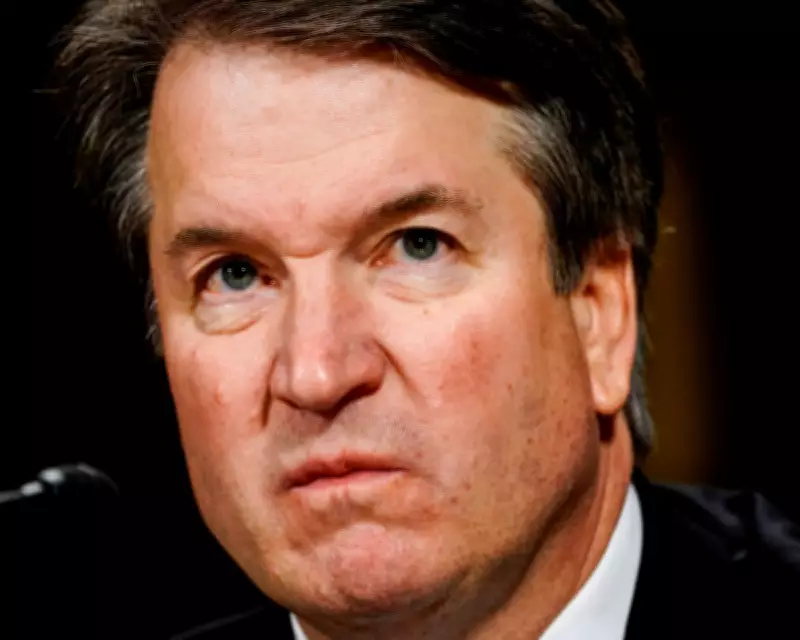
Newly disclosed emails and text messages from the Department of Justice have revealed that convicted sex offender Jeffrey Epstein closely followed and sympathized with Brett Kavanaugh during his contentious 2018 Supreme Court confirmation process. The files show Epstein believed Christine Blasey Ford's sexual assault allegation could derail the nomination and suggested Republicans should have been more aggressive in challenging her testimony.
Epstein's Detailed Commentary on the Hearing
In messages dated September 22, 2018, Epstein told an unidentified recipient "Ive sat in Kavanaugh chair. Im thinking of November," though the meaning of the November reference remains unclear. He described the pending judiciary committee hearing as "a trap!" and added "Iye [sic] been through many of these. MANY!! She will cry, make sordid allegations. Say she feels bullied, fearful, traumatized."
Epstein predicted Ford would claim "Every thing bad in her life was a result of the rape attempt" and would mention suffering anxiety and relationship problems with men. He characterized this approach as requiring "a very special skill set."

Ford's Testimony and Epstein's Criticism
Christine Blasey Ford, a psychology professor at Palo Alto University who grew up in Washington DC suburbs, delivered powerful Senate testimony on September 26, 2018. Under oath, she described how a "visibly drunk" teenage Kavanaugh had pinned her on a bed, groped and grinded against her, and attempted to remove her clothing during a gathering in summer 1982. Ford testified she believed Kavanaugh intended to rape her and covered her mouth to muffle screams before escaping when both fell over.
Epstein criticized the Republican judiciary committee's decision to appoint female prosecutor Rachel Mitchell to question Ford, calling it "horrible choice of prosecutor woman. critical and maybe lethal mistake." He argued prosecutors don't cross-examine but prosecute, suggesting a criminal defense attorney would have been more appropriate.
Epstein's Suggested Questions for Ford
The convicted sex abuser proposed alternative questions he believed should have been asked, including whether there was a "history of anxiety" in Ford's family, whether bedroom lights were on, if Ford saw Kavanaugh again after the alleged incident, and how she managed to leave the party. In another message, Epstein suggested asking about discrepancies between "therapist notes" and Ford's account.
Democratic Response to the Messages
Lisa Graves, former chief counsel for nominations at the Senate judiciary committee and a Democrat, expressed outrage at the revelations. "It is appalling to see a sexual predator weighing in this way against a woman who courageously testified about a man at the precipice of one of the most powerful posts in the country," Graves stated.
She added, "It is shocking in part because you have this person who was at the center of efforts to abuse young women and girls and you have an adult woman testifying how she was allegedly treated by Kavanaugh and his friend, at an age when she was still a girl."
Epstein's Connection to Kenneth Starr
While there is no evidence Kavanaugh knew or met Epstein, the files reveal frequent communication between Epstein and Kenneth Starr, the late former US solicitor general and independent counsel who led the investigation into Bill Clinton's relationship with Monica Lewinsky. Kavanaugh served as an associate to Starr during that investigation.
Starr, who died in 2022, was both a close personal friend and professional contact of Epstein. He played a key role in helping Epstein secure a 2008 plea agreement that allowed the financier to avoid federal sex-trafficking charges and receive a reduced sentence.
Early Support for Kavanaugh's Nomination
Emails indicate Epstein favored Kavanaugh's nomination before it became official. On July 4, 2018, days before the announcement, Epstein and Starr exchanged messages about the impending nomination, with Epstein calling Kavanaugh his "first choice."
On August 23, 2018, Epstein asked Starr about a report concerning Kavanaugh's role in the Starr investigation. Starr responded that the release "should be a non-event for Brett" and mentioned he was criticized in one portion but faced "no finding of illegality."

Three days later, Epstein wrote to Starr praising Kavanaugh's "disclosure" and calling Starr "a genius" at his job. This likely referenced a memo released by the National Archives on August 20, 2018, detailing Kavanaugh's work on Starr's team. That memo included Kavanaugh's suggestion that Starr's team had a responsibility to "make [Clinton's] pattern of revolting behavior clear" and contained graphic sexual questions he believed Clinton should face.
Additional Contacts and Communications
On September 17, 2018, Kathy Ruemmler, then-general counsel of Goldman Sachs, sent Epstein a note asking if he saw that "Beth W" was representing Kavanaugh, referring to attorney Beth Wilkinson. Ruemmler announced this week she would step down from her Goldman Sachs position in June.
The released documents provide unprecedented insight into how a convicted sex offender monitored and attempted to influence one of the most significant judicial confirmations in recent American history, while revealing his connections to key figures in the legal and political establishment.