
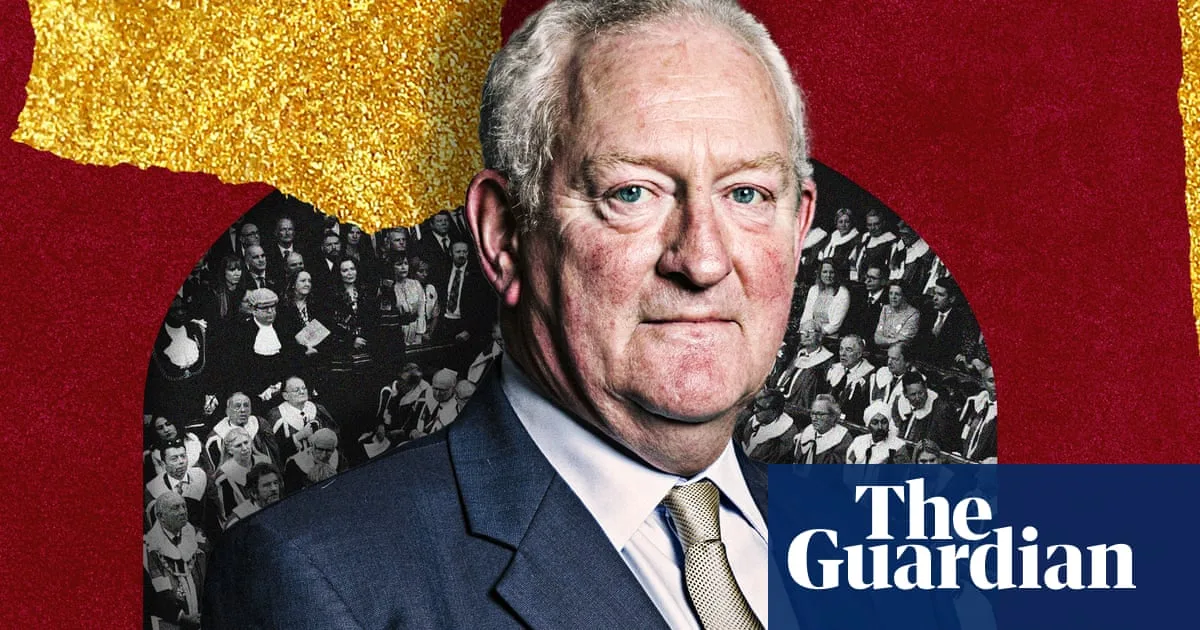
The Earl of Shrewsbury, a Conservative hereditary peer, is under renewed scrutiny over his expenses after admitting he made erroneous claims for travel he did not incur. The peer, who was suspended from the House of Lords for nine months in 2023 for a separate misconduct, has offered to reimburse the taxpayer for the disputed sums.
According to documents obtained by the Guardian, the earl claimed the cost of a first-class rover ticket on the basis it would be used solely for parliamentary business. However, on 17 January last year, he used the ticket for part of his journey to attend a board meeting of Cheshire Land, a property development company where he serves as a non-executive director.
In an email to fellow directors before the meeting, the earl wrote: “I am all set. Travelling up from London. Government pays! … the snow doesn’t daunt me – hundreds of years of inbreeding makes me of sterner stuff.” The comment has raised questions about his adherence to Lords rules, which permit travel expenses only for parliamentary work.
Additionally, the earl claimed mileage for four car journeys around the time of the board meeting that he could not have made, as he was either in London or Liverpool. The claims totalled £54. He has notified the House of Lords finance department of the errors and asked them to deduct any sums due from his attendance allowance for April 2025.
The earl, 72, said he acted in good faith, explaining that his wife drove to Stafford station to deliver his wallet and papers, which he had left at home, before he continued to Liverpool on a personally purchased ticket. He maintained that this was an exceptional circumstance permitted by expenses policy.
The House of Lords committee responsible for monitoring peer conduct previously ruled that the earl's misconduct in 2023 was “extremely serious” and damaged the chamber's reputation. The latest allegations could lead to further disciplinary action.




