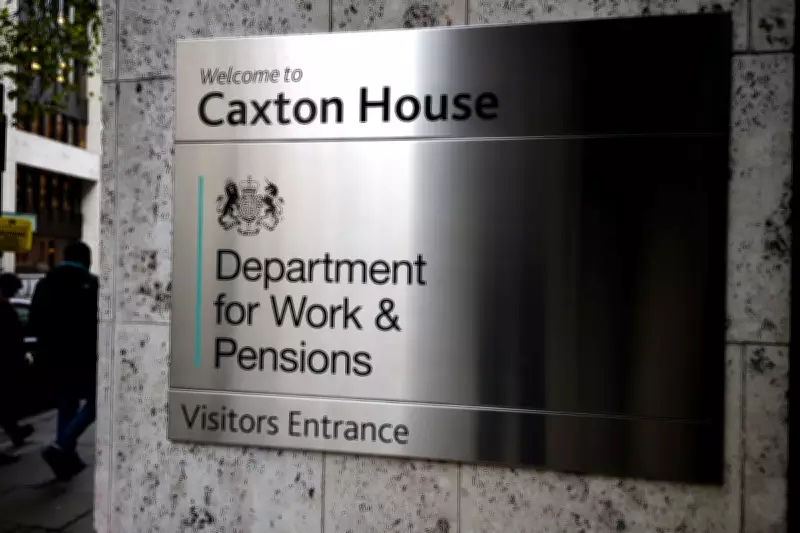
DWP Grants Extension for Universal Credit Transition Amid Vulnerable Claimant Concerns
The Department for Work and Pensions has announced a significant extension to the deadline for moving certain benefit claimants onto Universal Credit, providing crucial breathing space for vulnerable individuals. Originally set to conclude by the end of March 2026, the managed migration process will now continue for income-related Employment and Support Allowance and housing benefit claimants until at least the end of summer 2026.
Supporting Hard-to-Reach Claimants
This decision forms part of the government's ongoing commitment to safeguard its most vulnerable customers, ensuring that those with significant barriers to claiming receive adequate support. The DWP emphasised that the extension will allow a limited number of hard-to-reach customers to complete their transition to Universal Credit without risking payment interruptions.
Social security and disability minister Sir Stephen Timms stated: "Our Move to Universal Credit campaign has successfully transferred over 1.9 million people from legacy benefits to the modern system. Vulnerable customers have been at the forefront of this campaign, and in their interests, we are extending the deadline for income-related Employment Support Allowance claimants."

Managed Migration Progress and Challenges
The managed migration process has already facilitated the transition of more than 1.9 million individuals, including 135,000 income support and income-related jobseeker's allowance claimants. However, concerns about the process persist, particularly regarding vulnerable claimants who may struggle with the transition.
A 2024 report by the Public Accounts Committee warned that any failure in moving people from legacy benefits to Universal Credit could lead to "real-world misery for thousands." The report noted that the DWP had anticipated approximately 4% of claimants on older benefits would not switch to Universal Credit through the managed migration process.
Enhanced Support Measures
As the original target deadline passed, the government has implemented additional support measures for those on ESA and housing benefit. These include:
- A dedicated telephone helpline for claimants requiring assistance
- Home visits for individuals unable to complete the process independently
- Continued outreach to hard-to-reach customer groups
Universal Credit Statistics and Impact
Recent figures reveal the substantial growth of Universal Credit in Britain. As of December 2025, the total number of UC claimants reached 8.34 million, representing an increase of nearly one million from 7.36 million twelve months earlier. Data analysis indicates that more than three-quarters of this increase resulted from people moving from other benefits rather than new claims.
The government describes Universal Credit as a benefit that "better reflects today's labour market and opens up a range of support to help people move closer to, or into work." However, the system continues to evolve, with previously announced reforms scheduled to take effect in April 2026, reducing the health element of Universal Credit to address what ministers termed "perverse incentives" in the system.
Broader Welfare Reform Context
This deadline extension occurs against a backdrop of broader welfare reform discussions. Last year, ministers retreated from plans to reform disability benefits, including those for individuals with mental health conditions, following opposition from backbench Labour MPs. Instead, the Timms review is currently gathering perspectives on Personal Independence Payment and its functioning.
Any changes to PIP, which assists with extra living costs for people with long-term physical or mental health conditions or disabilities, have been postponed until after the review concludes. The review is expected to report to Work and Pensions Secretary Pat McFadden by autumn 2026, with an interim update anticipated beforehand.

The government maintains that its welfare reforms aim to create a system that promotes opportunity rather than stifling it, as part of their broader Plan for Change. The extension for vulnerable claimants represents a recognition of the practical challenges involved in transitioning millions of people to a new benefits system while ensuring no one falls through the gaps.