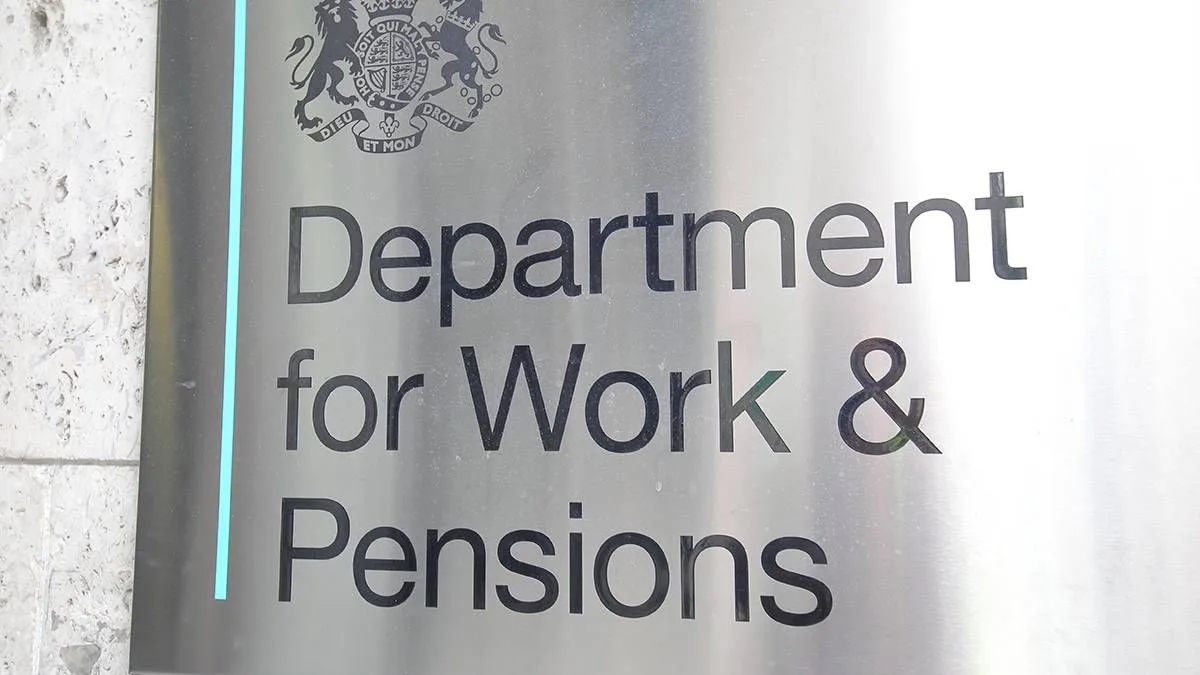
DWP Unveils Sweeping New Powers to Combat Benefit Fraud Through Bank Account Monitoring
The Department for Work and Pensions is set to implement significant new legislative powers designed to crack down on fraud within the benefits system. These measures, passed into law last year, grant investigators the authority to conduct bank account checks on individuals receiving specific state benefits and, in certain circumstances, to directly withdraw funds from accounts to recover outstanding debts owed to the department.
Targeted Benefits and Initial Implementation
The eligibility checks will initially focus on claimants of three key benefits:
- Universal Credit
- Pension Credit
- Employment and Support Allowance
Officials have confirmed that this scope could be extended to cover other benefits in the future. The DWP will instruct UK banking providers to scrutinise their records, flagging any accounts linked to these benefits that may indicate ineligibility for continued payments.
Phased Rollout and Safeguards
The DWP has issued an update clarifying that these powers have not yet been activated. The department is first undertaking a 'test and learn approach', a trial phase scheduled to commence later this year. Concurrently, officials are developing a formal code of practice to govern the use of these new authorities.
The final version of this code must be presented to Parliament for approval before any new powers can be used. This step is intended to ensure proper oversight and establish clear operational boundaries for investigators.
Direct Debt Recovery Powers
A particularly notable aspect of the legislation is the power for the DWP to directly deduct money from a person's bank account. This authority is primarily aimed at individuals who have left the benefits system but still have outstanding debts to repay.
Previously, the DWP's recovery options were limited to deductions from ongoing benefits or via PAYE earnings. Under the new system, if the DWP plans to exercise this power, it will notify the individual first, providing them with an opportunity to challenge the action. Officials will also request three months' worth of bank statements to verify that the account holds sufficient funds before proceeding with a withdrawal.
Expanded Investigative Authority
The legislation also substantially broadens the investigative powers available to fraud officers. Previously constrained to requesting information from a limited list of sources, investigators can now compel any third party connected to a person suspected of fraud to hand over relevant details. This expansion is designed to create a more robust and adaptable response to evolving fraudulent activities.
When the powers were enshrined in law in December 2025, Andrew Western, the Minister for Transformation, emphasised the government's commitment. "It is right that as fraud against the public sector evolves, the Government has a robust and resolute response," he stated. "The powers granted through the bill will allow us to better identify, prevent and deter fraud and error, and enable the better recovery of debt owed to the taxpayer. A benefits system people can trust is essential for claimants and taxpayers alike – through this bill, that's exactly what we'll deliver."
The introduction of these measures marks a significant shift in the DWP's approach to fraud prevention and debt recovery, balancing enhanced enforcement capabilities with planned procedural safeguards and a phased implementation strategy.