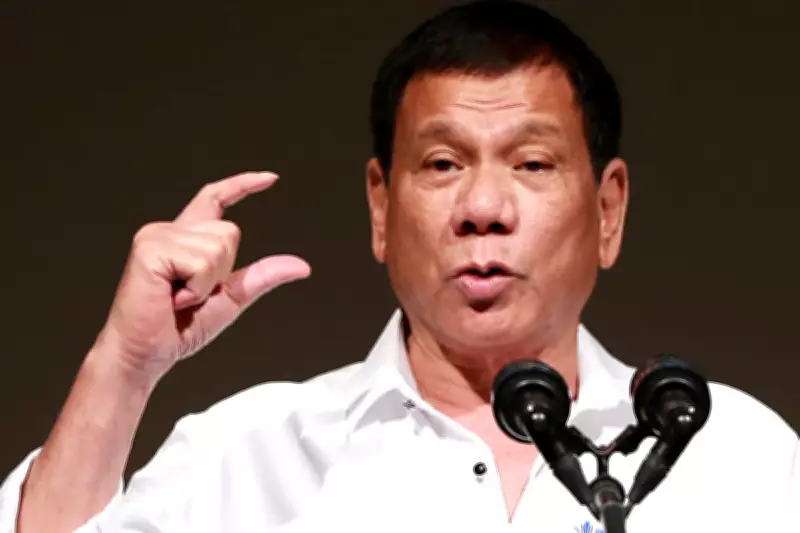
Judges at the International Criminal Court have confirmed crimes against humanity charges against former Philippine president Rodrigo Duterte for the deadly anti-drugs crackdowns he allegedly oversaw while in office. A three-judge panel found unanimously that there were “substantial grounds” to believe the ex-leader was responsible for dozens of murders, first as mayor of Davao and later as president from 2016 to 2022.
Details of the Charges
In their 50-page decision, judges found that Duterte “developed, disseminated and implemented” a policy “to ‘neutralize’ alleged criminals.” According to prosecutors, police and hit squad members carried out dozens of murders at Duterte’s behest starting in 2011, motivated by money or to avoid becoming targets themselves. Deputy prosecutor Mame Mandiaye Niang told the court in pretrial hearings in February, “For some, killing reached the level of a perverse form of competition.”
Estimates of the death toll during Duterte’s presidential term vary, from the over 6,000 reported by national police to up to 30,000 claimed by human rights groups.

Defense and Human Rights Reactions
Duterte, 80, was arrested in the Philippines last year and denies the charges. His lead defense lawyer Nick Kaufman expressed disappointment, saying the decision “is based on the uncorroborated statements of vicious self-confessed murderers acting as cooperating witnesses.” Human rights groups praised the decision. Maria Elena Vignoli of Human Rights Watch stated, “Duterte’s trial will send a powerful message that no one responsible for grave crimes is above the law, whether in the Philippines or elsewhere, and that justice will eventually catch up with them.”
Legal Proceedings
A date for the trial has not yet been set. Duterte has waived his right to appear and has not been present in court. Last month, judges found him fit to stand trial after postponing an earlier hearing over health concerns. ICC prosecutors opened a preliminary investigation in 2018, and Duterte announced the Philippines would leave the court a month later, a move human rights activists say was aimed at avoiding accountability. On Tuesday, appeals judges rejected a request to throw out the case on jurisdictional grounds related to the withdrawal.