Djibouti's Longtime President Set to Secure Sixth Term After Scrapping Age Limit
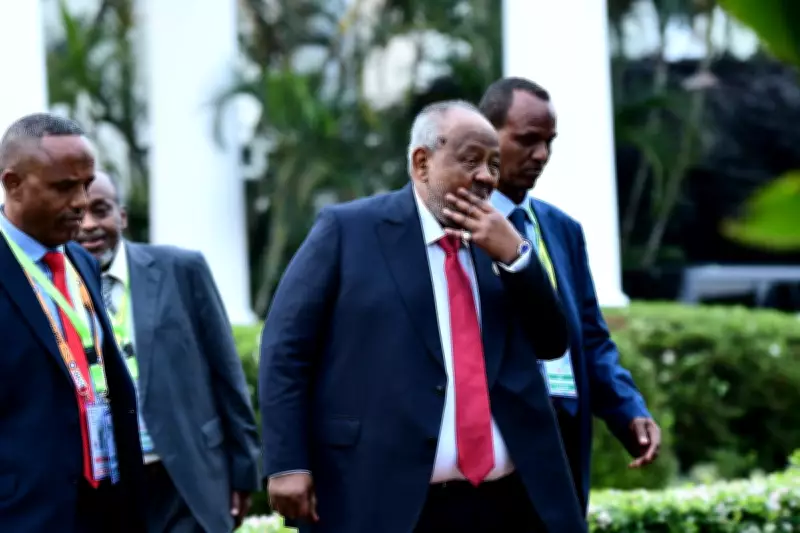
Voters in the small Horn of Africa nation of Djibouti cast ballots for president on Friday, with longtime leader Ismaïl Omar Guelleh anticipated to secure a sixth term in office. This follows a significant constitutional change last year, when lawmakers scrapped presidential age limits, paving the way for his continued rule.
Decades of Leadership and Minimal Opposition
Guelleh, 78, has governed the country of approximately one million people for more than two decades. The results of the 2021 election demonstrated his overwhelming support, with nearly 99% of the vote in his favour. In the current race, he faces only a single challenger, Mohamed Farah Samatar, a former ruling party member. Analysts describe the contest as offering little genuine competition, with opposition groups frequently boycotting elections due to restrictions on political freedoms.
Critics characterise Djibouti's political system as tightly controlled, while authorities emphasise the stability it provides in a volatile region. Guelleh succeeded his uncle, former President Hassan Gouled Aptidon, in 1999, extending a family-led governance structure that has shaped the nation's politics for decades.

Strategic Importance and Economic Foundations
Djibouti's significance extends beyond its borders, hosting multiple foreign military bases, including those of the United States, China, France, and Japan. This underscores its strategic position along a crucial global shipping route linking the Red Sea and the Gulf of Aden. Revenues from these military arrangements, combined with port services for neighbouring Ethiopia, form the backbone of the economy.
However, this economic model leaves Djibouti vulnerable to external shocks. The country depends heavily on Ethiopia's use of its ports, and global disruptions—such as Red Sea shipping insecurity—pose substantial risks to revenue streams. Additionally, rising geopolitical competition and significant debt exposure, particularly to China, contribute to longer-term uncertainties.
Regional Observations and Expert Analysis
Regional observers from the African Union and the Intergovernmental Authority on Development monitored the election process. Mohamed Husein Gaas of the Raad Peace Research Institute provided insight to The Associated Press, stating, "The scrapping of term limits in Djibouti is less about electoral competition and more about preserving regime continuity in a highly strategic state."
He further noted, "While it raises concerns about democratic backsliding, external actors are likely to prioritise stability given Djibouti's critical role in Red Sea security and global trade routes, especially amid ongoing tensions in the Middle East." This perspective highlights the complex interplay between domestic governance and international interests in the region.