
The Home Secretary’s decision to proscribe Palestine Action under the Terrorism Act was lawful, the Court of Appeal ruled on Monday, overturning a High Court decision from February. A five-judge panel, including Lady Chief Justice Sue Carr and Master of the Rolls Geoffrey Vos, found that the High Court had “materially understated” the discretion afforded to the Home Secretary in such matters.
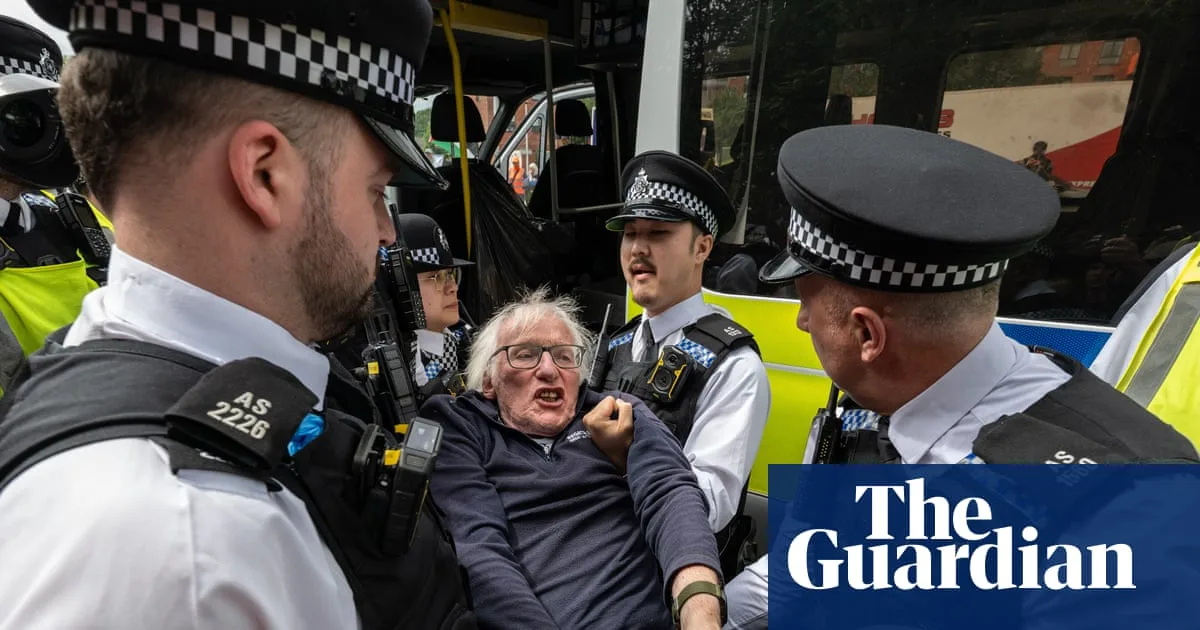
Since the ban came into effect on 5 July 2023, membership or support for the group has been punishable by up to 14 years in prison. Over 700 individuals have been charged with displaying placards stating “I oppose genocide, I support Palestine Action”, facing a maximum of six months under section 13 of the Terrorism Act. More than 3,000 arrests have occurred nationwide, with many cases paused pending the appeal.
In her judgment, Lady Carr acknowledged that the proscription could produce a “chilling effect” on lawful assembly, but argued that the Home Secretary is best placed to assess future threats. “When the severity of the effects of proscription on the article 10 and 11 rights of individuals are balanced against the importance of protecting national security … we find that the latter outweighed the former,” she said. She added that the ban does not prevent public support for the Palestinian cause or opposition to Israel.
The ruling drew criticism from campaign groups including Liberty, Human Rights Watch, Amnesty International UK, and Greenpeace, who described it as a misuse of counter-terrorism powers. Four Palestine Action activists were jailed on Friday for breaking into a factory owned by Israeli defence firm Elbit near Bristol.
Huda Ammori, a co-founder of Palestine Action who brought the legal challenge, vowed to appeal to the Supreme Court and, if necessary, the European Court of Human Rights. “We will not stop fighting to overturn one of the most extreme attacks on free speech and the right to protest in modern British history,” she said. On Monday, police arrested 117 people outside the court for suspected support of a proscribed organisation, and two more at a separate protest near the Old Bailey.




