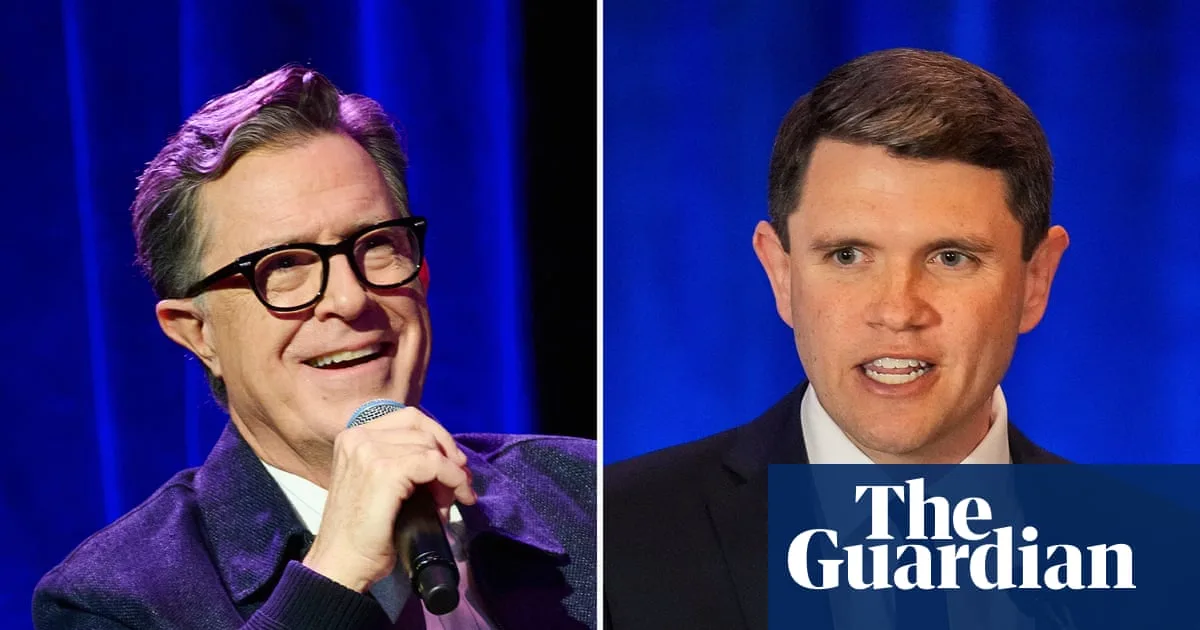
Stephen Colbert has accused the Trump administration and CBS of censorship after the network barred him from airing an interview with a Texas Democrat running for Senate. On his show, Colbert told viewers that network lawyers prohibited him from broadcasting the interview with James Talarico, a state representative seeking his party's nomination to challenge Republican Senator John Cornyn. The lawyers cited concerns that the interview could trigger the FCC's equal-time rule, requiring CBS to provide equal access to Talarico's campaign rivals.
The interview was instead posted on Colbert's YouTube channel, which falls outside FCC jurisdiction. The FCC recently reissued guidance on the equal-time requirement from the Communications Act of 1934, focusing on daytime and late-night talk shows. Colbert criticized FCC Chairman Brendan Carr, accusing him of partisan motives and saying, 'Donald Trump's administration wants to silence anyone who says anything bad about Trump on TV.'
CBS responded that it did not prohibit the interview but provided legal guidance that broadcasting it could trigger equal-time obligations for other candidates, including Representative Jasmine Crockett. The network said the show chose to air the interview on YouTube with on-air promotion rather than provide equal-time options. The incident follows a broader crackdown on media freedoms, including an FBI raid on a Washington Post reporter's home and the arrest of independent journalist Don Lemon.
Anna M Gomez, the lone Democrat on the FCC, criticized CBS for 'corporate capitulation' and urged broadcasters to resist government pressure. Colbert's show is set to end in May after CBS canceled it, and the network is now under the control of David Ellison, a Trump ally. The FCC has also opened an investigation into ABC's The View for a similar equal-time issue with Talarico.