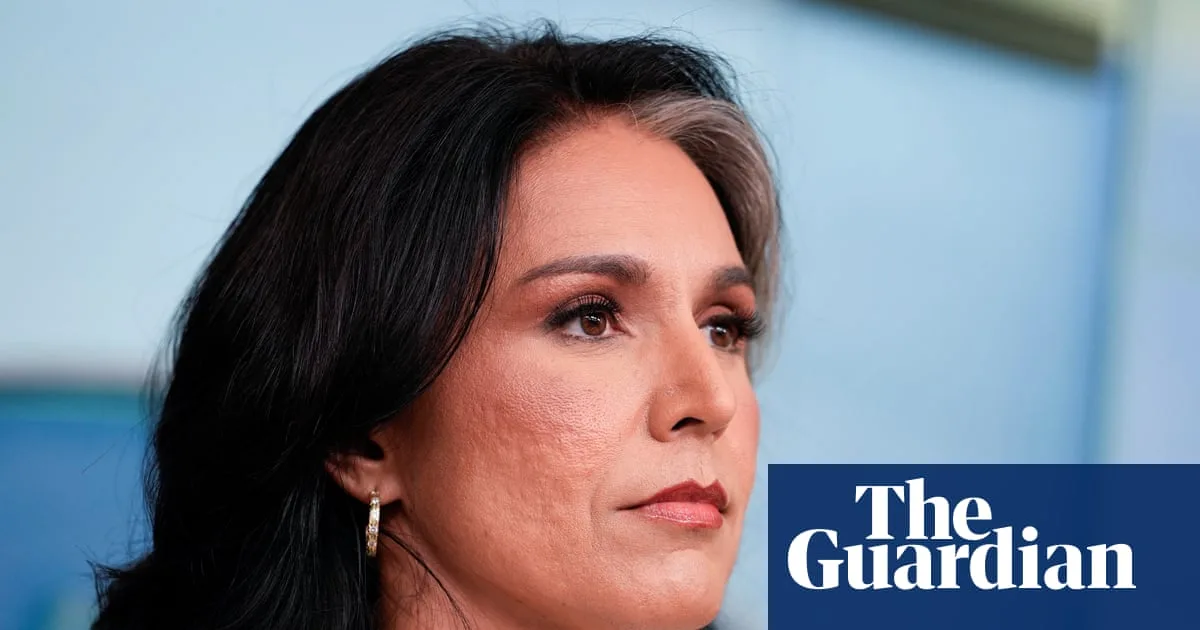
Classified Whistleblower Complaint Against Trump's Spy Chief Tulsi Gabbard Sparks Security Debate
Classified Complaint Against Trump's Spy Chief Sparks Security Debate

Classified Whistleblower Allegations Against Trump's Intelligence Chief Trigger Security Concerns

A highly sensitive whistleblower complaint targeting Donald Trump's intelligence chief Tulsi Gabbard has been sealed inside a secure safe due to its classified nature, according to reports from the Wall Street Journal. The allegations have ignited months of intense debate within intelligence circles about how to properly present the complaint to congressional oversight committees.

National Security Warnings and Congressional Access Disputes

Officials familiar with the matter have warned that disclosing the complaint's contents could potentially cause grave damage to national security, creating what some describe as a cloak-and-dagger mystery surrounding the allegations. The intelligence community's inspector general initially received the complaint in May, but the process for congressional review has been mired in complications.

The whistleblower's legal representative, Andrew Bakaj, has publicly accused Gabbard's office of stonewalling the complaint by refusing to provide necessary security guidance that would allow lawmakers to properly examine the allegations. In a November letter addressed directly to Gabbard, Bakaj detailed these concerns and shared the correspondence with both House and Senate intelligence committees.

Conflicting Accounts and Political Motivations

A spokesperson for Gabbard has acknowledged the complaint's existence but characterized it as baseless and politically motivated. Gabbard's office maintains they are not obstructing the process but rather navigating unique circumstances to properly resolve the classified matter. They argue the situation represents a complex challenge requiring careful handling of sensitive intelligence materials.

DNI spokeswoman Olivia Coleman reinforced this position, stating: This is a classic case of a politically motivated individual weaponizing their position in the Intelligence Community, submitting a baseless complaint and then burying it in highly classified information to create false intrigue, a manufactured narrative, and conditions which make it substantially more difficult to produce security guidance for transmittal to Congress.

Unprecedented Delays and Congressional Frustration

Watchdog experts and former intelligence officials have noted that the delay in transmitting the complaint to Congress appears unprecedented in recent history. Standard procedure typically requires the inspector general to assess a complaint's credibility within three weeks of receipt before sharing it with lawmakers. However, months after the initial filing, congressional intelligence committees still have not received the actual complaint.

Democratic congressional aides serving on intelligence committees have attempted to probe for details about the whistleblower's allegations in recent weeks but have been unsuccessful in obtaining substantive information. The classification level is reportedly so high that even the whistleblower's own lawyer has been unable to view the complete documentation.

Gabbard's Changing Role and Broader Context

The controversy emerges as Gabbard, known for her non-interventionist foreign policy views, has reportedly been sidelined from major national security matters within the Trump administration, including discussions concerning Venezuela and Iran. Instead, she has been tasked with verifying Trump's claims of election fraud stemming from the 2020 presidential election.

The inspector general's office has indicated that some specific allegations within the complaint were determined to lack credibility, though Bakaj maintains his client was never informed about any such determinations being reached. The substance of the allegations remains unknown to the public, with the Daily Mail noting it cannot confirm the specific details of the claims against Gabbard.

This developing situation highlights the ongoing tensions between intelligence community transparency, congressional oversight responsibilities, and national security protections in an increasingly polarized political environment.