Senior Civil Servants Deny Keeping PM in Dark Over Mandelson Security Vetting
Civil Servants Deny Keeping PM Dark on Mandelson Vetting

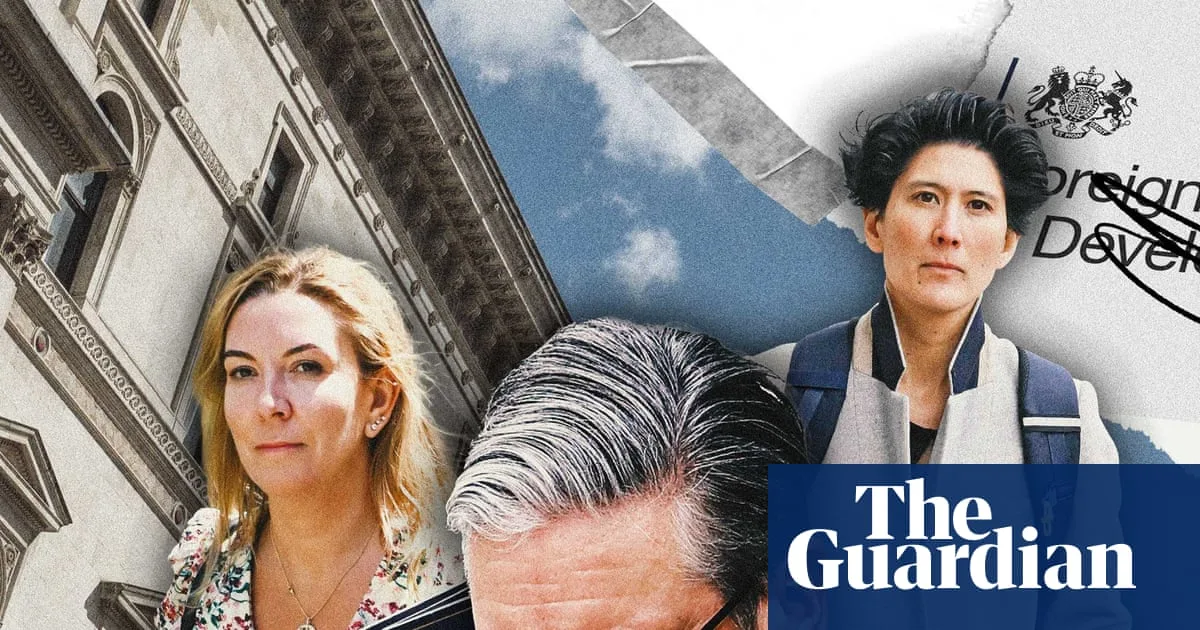
Two senior civil servants who first uncovered that Peter Mandelson had failed essential security vetting prior to his appointment as US ambassador have firmly denied allegations they deliberately kept Prime Minister Sir Keir Starmer unaware of the critical information. The revelation emerged last night that Dame Antonia Romeo, the country's top civil servant, and Cat Little, the Cabinet Office's Permanent Secretary, learned last month that Mandelson received approval for the prestigious diplomatic position despite explicit warnings from security officials.

Prime Minister's Fury and Immediate Fallout

Prime Minister Sir Keir Starmer has categorically insisted that neither he nor any other government minister had any knowledge of Mandelson's vetting failure until he was formally informed on Tuesday. The Prime Minister expressed being 'absolutely furious' that the Foreign Office had overruled security advice without notifying him, leading to the immediate dismissal of Sir Olly Robbins, the Foreign Office's most senior official.

Timeline of Discovery and Communication

The disclosure that two high-ranking civil servants were aware of the vetting failure weeks before informing the Prime Minister has raised serious questions about Sir Keir's control over his administration and government transparency. According to reports, Ms Little received a document at the end of March that highlighted the security concerns. This document, written in early 2025 by UK Security Vetting officials, identified highly sensitive issues regarding Mandelson and concluded he should not receive the necessary security clearance for the ambassador role.

Wide Pickt banner — collaborative shopping lists app for Telegram, phone mockup with grocery list

Ms Little promptly informed Cabinet Secretary Dame Antonia Romeo, who had been in her position for just over a month. The two officials then engaged in discussions about the potential risks associated with sharing this sensitive information. The Cabinet Office subsequently sought legal advice concerning whether disclosure might prejudice the Metropolitan Police's ongoing criminal investigation into Mandelson. Additionally, they questioned the Foreign Office about why it had granted Mandelson developed vetting clearance contrary to security recommendations.

Cabinet Office Defense and Political Backlash

On Saturday, a Cabinet Office spokesperson strongly defended the actions of Dame Antonia and Ms Little, stating they did not share the information earlier because they were awaiting legal checks regarding what could be lawfully released. The spokesperson emphasized: 'Senior officials in the Cabinet Office did the right thing and took urgent steps to ensure they could update the prime minister. On receipt of the UK security vetting information, the permanent secretary of the Cabinet Office rapidly sought legal and other advice to be in a sound position to share the document, or the fact of it, with the prime minister. She updated the cabinet secretary who agreed with the approach.'

The spokesperson further clarified: 'As soon as these checks were conducted, the prime minister was informed.' However, sources suggest that up to a dozen officials and lawyers were aware of the vetting failure without the Prime Minister's knowledge, despite his repeated insistence that all procedures were followed correctly.

Political Consequences and Calls for Resignation

The political fallout has been severe, with leaders of major opposition parties demanding Sir Keir Starmer's resignation over the latest revelations. Kemi Badenoch has accused the Prime Minister of misleading both Parliament and the public. Sir Keir faces a challenging period as he attempts to salvage his premiership, with a scheduled address to MPs on Monday regarding this issue.

Sir Olly Robbins is expected to appear before Parliament on Tuesday to explain his department's role in Lord Mandelson's failed security clearance. Meanwhile, Lord Simon McDonald, Sir Olly's predecessor at the Foreign Office, has publicly defended the dismissed official, stating he was simply 'following the rules' and accusing the Prime Minister of 'throwing him under the bus.' Lord McDonald criticized Number 10 for 'wanting a scalp as quickly as possible within the news cycle' without allowing Sir Olly to present his perspective.

Pickt after-article banner — collaborative shopping lists app with family illustration

Broader Implications and Historical Context

Lord McDonald issued a stark warning that the Foreign Office is now confronting 'its biggest crisis' in more than four decades and urgently requires new leadership. He suggested that the decision to appoint Mandelson had already been made at the highest levels, with the Prime Minister determined to have 'his man' in Washington, leaving the Foreign Office to interpret how to implement this directive.

Lord Mandelson, a political appointee rather than a career diplomat, was removed from his Washington role last September when additional details surfaced about his relationship with convicted paedophile financier Jeffrey Epstein, who died in 2019. This latest security vetting controversy has compounded the diplomatic embarrassment and raised fundamental questions about appointment processes, security protocols, and governmental accountability at the highest levels of British politics.




