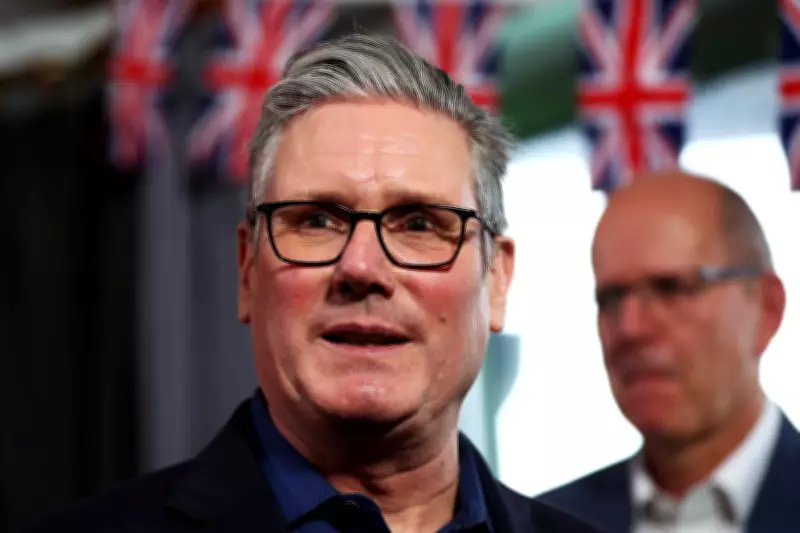
In a dramatic political development, Scottish Labour Party leader Anas Sarwar has publicly called for Prime Minister Keir Starmer to resign from office. This demand has ignited a significant crisis within the Labour Party, prompting a swift and unified response from Starmer's top cabinet ministers.
Cabinet Ministers Unite in Support of Starmer
Despite the mounting pressure, key figures in Starmer's government have rallied to his defence. Foreign Secretary David Lammy, Chancellor Rachel Reeves, and Health Secretary Wes Streeting have all issued public statements rejecting Sarwar's calls for the Prime Minister's departure. Their collective backing underscores a determined effort to stabilise the leadership amidst internal turmoil.
Downing Street Affirms Starmer's Mandate
Downing Street has firmly stated that Keir Starmer will not step down, emphasising that he possesses a clear five-year mandate from the British electorate. This declaration aims to reinforce Starmer's authority and quell speculation about his political future, highlighting the government's commitment to its agenda despite the ongoing challenges.

Senior Aides Resign Amidst Crisis
Adding to the upheaval, Starmer's chief of staff, Morgan McSweeney, and his director of communications, Tim Allan, have both resigned. Their departures mark a significant shake-up within the Prime Minister's inner circle, reflecting the intense pressures and strategic disagreements that have emerged during this period of instability.
Labour MPs Prepare for Confrontation
Labour Members of Parliament are gearing up for a critical parliamentary Labour Party meeting scheduled for 6pm, where they are expected to confront Starmer directly. This gathering is poised to be a pivotal moment, as MPs voice their concerns and debate the leadership's direction in light of Sarwar's resignation demands and the recent resignations of senior aides.
The situation remains fluid, with the Prime Minister's ability to maintain party unity and public confidence hanging in the balance. As the crisis unfolds, all eyes are on Starmer's next moves and the broader implications for Labour's governance and electoral prospects.