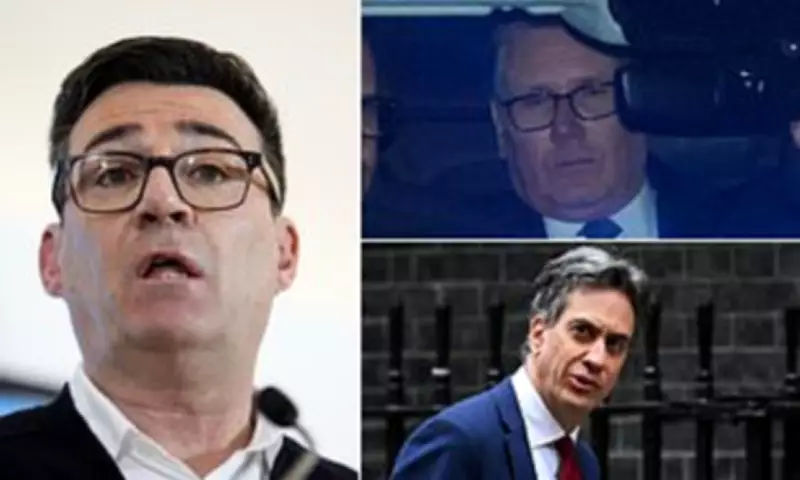
Andy Burnham Demands Radical Left Turn from Keir Starmer Amid Leadership Crisis
The beleaguered Prime Minister Keir Starmer faced renewed pressure today as Greater Manchester Mayor Andy Burnham joined a growing chorus demanding a dramatic shift to the left. In a thinly veiled attack on Westminster politics, Burnham called for Starmer to lead an "activist and interventionist government" to secure his political survival.
Burnham's Radical Policy Demands
Speaking at a think tank conference, Burnham outlined a comprehensive agenda that represents a significant departure from current government policy. The mayor, who was personally blocked from returning to Westminster by Starmer last month, accused London politicians of becoming "too close to wealth" and being "seduced" by free market economics.
Burnham's key proposals include:

- Committing to build 500,000 council and social homes by 2030
- Granting councils compulsory purchase powers for substandard private rental properties
- Reversing the privatisation of utilities that he claims has "taken power away from the poor"
Despite his criticisms, Burnham maintained he supports Sir Keir, but insisted these major changes were necessary for the government's survival.
Mounting Leadership Pressure
Burnham's intervention comes as Starmer faces what insiders describe as the most serious threat to his leadership since taking office eighteen months ago. The crisis was triggered by Scottish Labour leader Anas Sarwar's dramatic call for Starmer's resignation, citing "too many mistakes" in Downing Street.
Ed Miliband, the Net Zero Secretary, hinted this morning that Starmer had agreed to a leftward policy shift to save his position. Miliband told BBC Radio 4 that Starmer's primary motivation was addressing "class divides" and that voters wanted "boldness in our answers" that "meet the scale of what we are facing."
"I tell you what angers Keir the most - it's class," Miliband declared. "He exists to change that... We need more of that. He knows we need more of that. I think we're going to see more of that."
Cabinet Turmoil and Resignations
The Prime Minister gathered his Cabinet today amid what one minister described as having "looked over the precipice" of a leadership challenge. Ministers had maintained a "deathly silence" for more than twenty-four hours following the resignation of Starmer's chief aide over the Peter Mandelson scandal.
Health Secretary Wes Streeting found himself at the centre of coup allegations after releasing WhatsApp messages that criticised the government's "no growth" strategy. No10 insiders accused Streeting of plotting with Sarwar, though Streeting's spokesman vehemently denied any coordination.
The government has suffered a series of high-profile departures, including:
- Chief aide Morgan McSweeney's resignation on Sunday
- Communications director Tim Allan's departure yesterday morning
- Cabinet Secretary Chris Wormald reportedly on the brink of leaving
Political Fallout and Future Challenges
Labour faces multiple immediate challenges that have intensified the leadership crisis. The party is fighting to retain the traditionally safe seat of Gorton & Denton in a February 26 by-election, while May's local elections are widely expected to be disastrous for the government.
Kemi Badenoch claimed that "some" Labour MPs had indicated they would support a vote of no confidence in the Prime Minister. Meanwhile, Scotland Yard has warned ministers against following Streeting's example of releasing WhatsApp messages to Mandelson.
Despite the turmoil, Starmer told his Cabinet they were "strong and united" and vowed to continue fighting. "Every fight I've ever been in, I have won," he declared to Labour MPs in a defiant address.
Deputy Prime Minister Angela Rayner, regarded as positioning herself for a potential leadership bid, backed Starmer to continue yesterday. However, she has yet to resolve issues with HMRC over unpaid stamp duty that forced her resignation as Deputy PM last September.

Broader Party Divisions
The crisis has exposed deep divisions within Labour. Welsh First Minister Baroness Morgan offered only lukewarm support, saying she backs Starmer "in the job he was elected to do." Private discussions were reportedly held about replacing Starmer with an interim leader such as Defence Secretary John Healey.
Miliband attempted to downplay suggestions of "class war" in the government's potential policy shift, calling such claims "balderdash." He emphasised that Starmer was driven by "burning passion about the injustices our country faces" and the need for recognition and decent lives for everyone, not just social mobility for a few.
As the government commits to releasing more potentially damaging internal messages with Mandelson, many in Labour still believe the Prime Minister's position remains precarious despite today's show of Cabinet unity.