The city of Bristol faces renewed historical reckoning as essential repairs commence on a long-closed city centre church, believed to be the final resting place of the controversial figure Edward Colston. The Diocese of Bristol has confirmed that work on the roof of All Saints Church will begin imminently, a project expected to last approximately six months and cost around £500,000.
Legal Obligations and Community Consultation
Church authorities have emphasised that the roof repairs are a legal necessity to ensure public safety, addressing concerns from some parishioners about prioritising funds for active congregations. This structural work opens a significant chapter in determining the future of the Grade II listed building, which has been closed to worshippers since 1984.
Exploring Potential Futures for the Historic Site
The Diocese has completed the initial phase of a comprehensive consultation process regarding All Saints' future. This engagement involved interviews, focus groups, artistic responses, and surveys, with particular attention given to Bristol's African-Caribbean heritage communities. Several potential uses for the building have been identified, though specific options remain confidential.

The Right Rev Neil Warwick, Bishop of Swindon and acting Bishop of Bristol, stated: "The completion of the first stage of the consultation marks an important step in listening, learning and discerning the most appropriate way forward for the building."
Historical Context and Previous Considerations
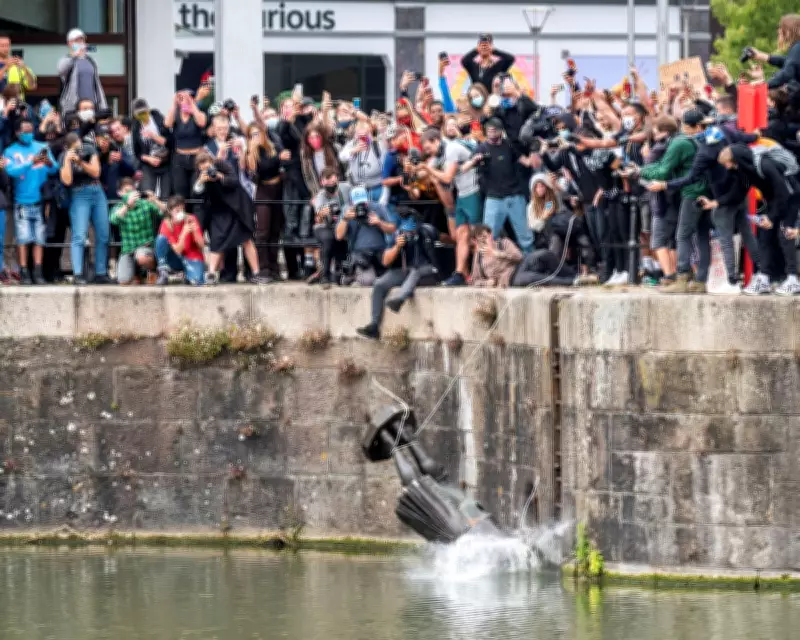
The question of how to address locations connected to Edward Colston has long troubled Bristol, gaining international attention during the 2020 Black Lives Matter protests when his statue was toppled and cast into the harbour. That event served as a catalyst for the Diocese to accelerate its deliberations about All Saints Church.
Previous solutions have been explored and discarded:
- Demolition was deemed prohibitively expensive due to shared walls with adjacent businesses and residences
- A potential sale failed as prospective buyers were deterred by extensive refurbishment costs
- Informal discussions with Bristol City Council about converting the building into a museum did not progress
The Path Toward Reconciliation
A church report published last year suggested repurposing All Saints as a community resource to support the Diocese's commitment to "lament, repent and repair relations." This scenario could involve several significant changes:
- Deconsecration of the building and surrounding ground
- Removal of artefacts associated with Colston
- Potential exhumation of Colston's remains from the site
This development follows other Bristol institutions distancing themselves from Colston's legacy. The concert hall formerly known as Colston Hall was renamed Bristol Beacon in 2020, while the toppled statue now resides in a discreet corner of a city museum. Additionally, stained glass windows celebrating Colston have been removed from two other Bristol churches.
The second phase of consultation will further develop proposals for All Saints Church, as Bristol continues to grapple with the complex legacy of its historical connections to the transatlantic slave trade.