Suella Braverman's Defection to Reform UK Sparks Tory Turmoil in Political Drama
Braverman Defects to Reform UK Amid Tory Chaos

Political Theatre Unfolds as Braverman Jumps Ship to Reform UK

The political landscape in Westminster has been thrown into disarray as former Home Secretary Suella Braverman dramatically defected to Reform UK, marking a significant escalation in the ongoing turmoil within the Conservative Party. The move came during a mid-morning rally for forces veterans held at London's historic Billingsgate market, where Braverman delivered a speech brimming with emotional rhetoric and pointed criticism of her former colleagues.

A Dramatic Exit and Emotional Address

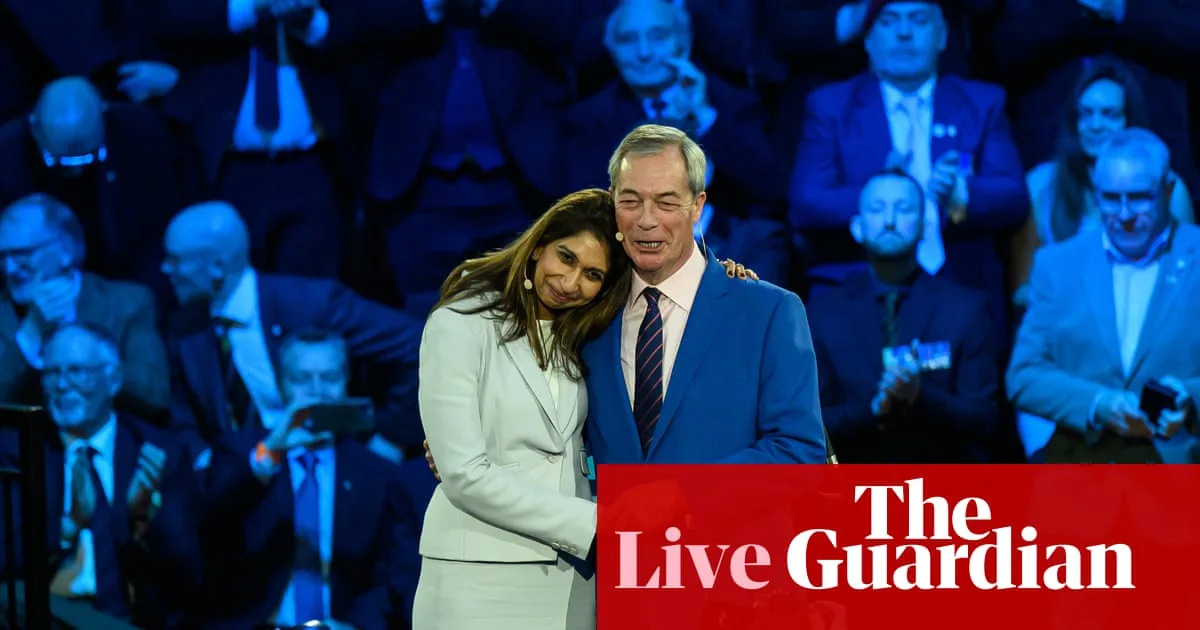
Braverman's appearance at the veterans event was nothing short of theatrical. After taking to the stage to roaring applause from ex-service personnel, she became visibly emotional, clutching Reform UK leader Nigel Farage with what observers described as lottery-winner enthusiasm. Her address to the audience of veterans was breathless and intense, as she praised their sacrifices while implicitly drawing parallels to her own political journey.

'You've put your country first, you've sacrificed, you've given everything,' Braverman cooed to the assembled crowd, her words carrying an unspoken suggestion that she too had made similar sacrifices for the nation. The former Home Secretary's energy was described as manic as she whirled her arms and pointed at audience members, creating an atmosphere of fervent political theatre.

Conservative Backlash and Reform's Response

The Conservative Party's reaction to Braverman's defection was swift and bitter, with initial statements from Tory headquarters suggesting the former minister had lost her senses. Although these comments were later retracted, they prompted an even more scathing response from Braverman during a subsequent speech at Reform UK's Millbank Tower headquarters.

In her afternoon address, Braverman unleashed a sustained barrage against her former party, declaring that the Conservative Party 'should be disgusted with itself, frankly' for its failures in government. She painted herself as a lone voice of principle within the Tory ranks, claiming 'I stood alone' and had 'taken a few for the team' before the one-nation moderates had taken control of the party.

Farage's Blue-Suited Presence and New Alliance

Nigel Farage, resplendent in a strikingly blue suit that drew comparisons to Liberal Democrat fashion, watched from a low table as his new recruit delivered words of fealty. Braverman declared Farage 'the only man I trust' as the Reform UK leader nodded contemplatively, clearly pleased with his latest political acquisition. The event also featured Robert Jenrick, who had defected from the Conservatives to Reform UK earlier in the month, watching from a doorway as the political drama unfolded.

Prosper's Launch and Centre-Right Realignment

Meanwhile, another significant development was occurring elsewhere in Westminster with the launch of Prosper, a new Conservative ginger group formed by former Scottish Tory leader Ruth Davidson and ex-West Midlands mayor Andy Street. The group's morning event attracted numerous Europhile figures from the Conservative Party's past, including Tobias Ellwood, David Gauke, Sir Robert Buckland, and Amber Rudd.

Prosper presented polling suggesting approximately seven million centre-right voters feel politically homeless and outlined plans to lobby for policies promoting economic growth while reducing welfare spending. The group positioned itself as a pragmatic alternative to populism, with former Remain supporters hinting they could accept delays to Net Zero targets as part of their practical approach to governance.

Diverging Political Styles and Future Implications

The contrasting styles of the day's two major political events highlighted the deepening divisions within British politics. While Reform UK's rally was characterised by emotional intensity and dramatic gestures, Prosper's launch presented a more collegiate, controlled atmosphere of establishment figures positioning themselves as pragmatic problem-solvers.

As the political year continues to unfold at this breakneck pace, these developments suggest significant realignments are underway on the British right. Whether Reform UK's noisy populism or Prosper's measured pragmatism will prove more successful in attracting disaffected voters remains to be seen, but one thing is certain: the political landscape is undergoing profound changes that will shape the coming electoral battles.